Why Borneo and Bali Are Premier Destinations for Ziplining and Canopy Tours — overview of ecosystems, unique wildlife, and what makes each location special for treetop adventures (including safety standards and best seasons)
- Why Borneo and Bali Are Premier Destinations for Ziplining and Canopy Tours — overview of ecosystems, unique wildlife, and what makes each location special for treetop adventures (including safety standards and best seasons)
For the intrepid traveler seeking adrenaline mixed with unparalleled natural immersion, Southeast Asia offers unparalleled opportunities. Among these, Indonesia stands out, specifically the islands of Borneo (Kalimantan) and Bali. While both locations offer thrilling aerial experiences, the context—the ecosystems, the wildlife encountered, and the overall adventure vibe—differs dramatically. Understanding Why Borneo and Bali Are Premier Destinations for Ziplining and Canopy Tours requires a deep dive into what makes each island’s treetop adventures uniquely spectacular. This guide compares these two giants of Indonesian ecotourism, focusing on adventure, nature, and crucial safety considerations for your high-flying exploration.
Borneo vs. Bali: A Tale of Two Rainforests
The primary distinction between ziplining in Borneo and Bali lies in the age and density of their respective forests. Borneo boasts some of the oldest tropical rainforests on Earth, offering a dense, primal canopy experience. Bali, while featuring stunning jungle landscapes, often provides more manicured or accessible routes, frequently integrated with cultural sites or rice terraces.
The Bornean Canopy: Primates and Ancient Giants
Ziplining in Indonesian Borneo (primarily Central or East Kalimantan) is synonymous with deep jungle immersion. Here, the adventure is raw and untamed. Operators often focus on conservation initiatives, positioning the canopy tour as an educational tool to observe biodiversity from above.
Unique Wildlife Encounters in Borneo
The true draw of Bornean canopy tours is the potential for wildlife spotting. Imagine soaring hundreds of feet above the jungle floor and spotting:
- Orangutans: While direct interaction is strictly prohibited for safety and conservation, spotting wild or semi-wild orangutans moving through the high branches is a breathtaking possibility.
- Proboscis Monkeys: Unique to Borneo, these distinctive primates can sometimes be seen near riverine forests that the ziplines cross.
- Hornbills: The majestic Helmeted Hornbill and Rhinoceros Hornbill frequently cross the open air between massive emergent trees.
The Balinese Treetop: Culture Meets Adventure
Bali offers a more accessible and often visually dramatic experience. Ziplines here are frequently set against iconic backdrops, such as terraced rice paddies (like those near Ubud) or overlooking deep ravines. The infrastructure tends to be highly developed, catering to a broad spectrum of tourists.
Ecosystems and Views in Bali
While not possessing the ancient depth of Borneo’s primary forest, Bali’s sub-tropical jungles and agricultural landscapes provide stunning vistas. Adventures often involve:
- Soaring over the Ayung River Valley.
- Riding lines that connect viewpoints overlooking UNESCO-recognized subak irrigation systems.
- Easier access to facilities and post-adventure relaxation spots.
Safety Standards and Operational Trustworthiness
When discussing extreme adventure sports, E-E-A-T demands a focus on safety. Both regions are subject to Indonesian safety regulations, but operational rigor varies by provider. To ensure a trustworthy experience, travelers must look for specific certifications and maintenance protocols.
Assessing Safety in Remote Borneo
In Borneo’s remote locations, infrastructure might be simpler, but reputable eco-lodges often adhere to stringent international standards imported by specialized adventure companies. Look for providers affiliated with global adventure tourism bodies. Maintenance schedules are crucial here, as weather extremes can rapidly degrade equipment.
Bali’s Structured Safety Approach
Due to the high volume of international tourists, many Balinese operators utilize modern, European-certified equipment (like Petzl or similar brands) and undergo frequent third-party audits. This often results in visibly robust safety procedures, though travelers should still verify training records.
The Best Seasons for Treetop Adventures
Indonesia experiences two main seasons: the dry season and the wet season. This heavily influences the ziplining experience, affecting visibility, trail conditions, and overall comfort.
| Season | Months (Approx.) | Borneo Experience | Bali Experience |
|---|---|---|---|
| Dry Season (Ideal) | May – September | Best visibility for wildlife spotting; lower humidity. | Clear skies, perfect for panoramic views of rice terraces. |
| Wet Season | October – April | High humidity; slippery trails; increased risk of rain delays. | Lush, vibrant green scenery; higher risk of sudden downpours. |
While the dry season is generally preferred for optimal conditions, the wet season can offer a unique, misty ambiance, especially in the deeper jungles of Borneo. Always check local forecasts before booking.
Experiencing the Heights: A Visual Guide
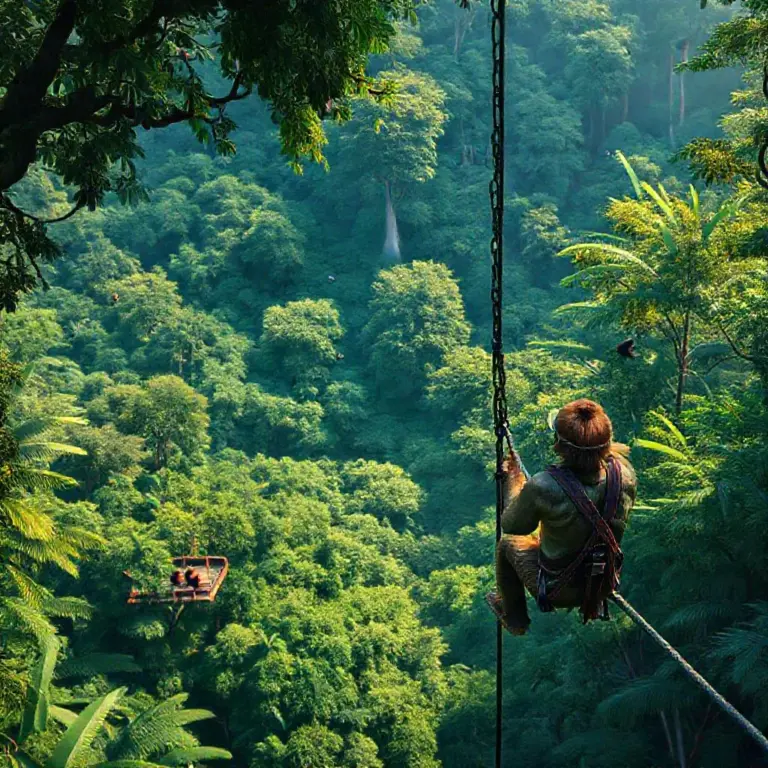
To truly appreciate the scale and beauty of these aerial treks, viewing the experience firsthand is essential. This video offers a glimpse into the immersive nature of canopy tours within Indonesian rainforests, helping you visualize Why Borneo and Bali Are Premier Destinations for Ziplining and Canopy Tours by showcasing the sheer drop and the surrounding flora.
Conclusion: Choosing Your Treetop Adventure
The decision between Borneo and Bali for your ziplining adventure hinges on your priorities. If your goal is to experience raw, ancient biodiversity, witness rare primates, and embrace a rugged ecotourism challenge, Borneo is the unparalleled choice. If you seek high-quality, accessible adventure integrated with stunning cultural landscapes and reliable infrastructure, Bali offers the perfect blend. Both destinations prove that Indonesia is a world leader in offering thrilling, high-altitude perspectives of its magnificent natural heritage.
คำถามที่พบบ่อย (FAQ)
References
Rainforest Alliance Ecotourism Standards
Official Bali Tourism Information
WWF Indonesia Conservation Efforts
- Ziplining and Canopy Tours in Borneo and Bali: The Best Treetop Experiences for Adventure Seekers and Nature Lovers
- Top Zipline and Canopy Tour Operators in Borneo and Bali — detailed comparisons, what to expect on each tour, difficulty levels, age/fitness requirements, pricing, and booking tips
- What to Pack, Safety Tips, and Accessibility — practical preparation advice, clothing and gear, health and safety considerations, certifications/inspections to look for, and accessibility for families or travelers with mobility needs