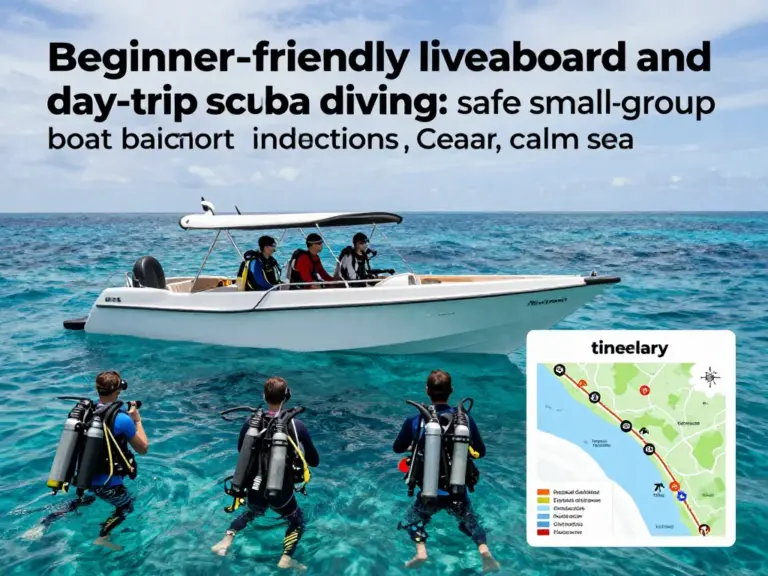
Choosing the Right Liveaboard and Day Trips for Beginners — Safety, Itineraries, Onboard Facilities and Dive Instructors
- Choosing the Right Liveaboard and Day Trips for Beginners — Safety, Itineraries, Onboard Facilities and Dive Instructors
- Liveaboard vs. Day Trips: Which is Right for You?
- Safety Standards and Beginner Protocols
- Tailored Itineraries: Finding Calm Waters
- Onboard Facilities: Comfort Beyond the Dive
- The Importance of Experienced Dive Instructors
- คำถามที่พบบ่อย (FAQ)
- Do I need a certification to join a liveaboard?
- Is sea sickness a major issue on Indonesian liveaboards?
- What is the best time of year for beginner diving in Indonesia?
Indonesia is globally recognized as the ultimate diving destination, boasting the richest marine biodiversity on the planet. For those new to the underwater world, the choice between embarking on a multi-day sea voyage or sticking to land-based excursions can be daunting. Choosing the Right Liveaboard and Day Trips for Beginners requires a careful balance of comfort, safety, and educational support to ensure your first experience in the Coral Triangle is nothing short of magical.
Liveaboard vs. Day Trips: Which is Right for You?
When Choosing the Right Liveaboard and Day Trips for Beginners, the first step is understanding the logistical differences. A day trip typically involves staying at a resort or hotel and taking a speedboat to nearby dive sites. This is ideal for those who prefer solid ground at night or have non-diving family members. Conversely, a liveaboard is a dedicated dive vessel where you live, sleep, and eat. For beginners, a liveaboard offers more “bottom time” and a chance to immerse yourself in the diving community, though it requires a higher level of commitment.
| Feature | Day Trip | Liveaboard |
|---|---|---|
| Accommodation | Hotel/Resort | Onboard Cabin |
| Dives per Day | 2-3 | 3-4 |
| Travel Time | Daily boat rides | Wake up at the site |
| Cost | Lower / Flexible | Inclusive / Higher |
Safety Standards and Beginner Protocols
Safety is the non-negotiable pillar of scuba diving. Beginners should look for operators that prioritize small group ratios (ideally 4:1 or lower). In Indonesia, currents can be strong, particularly in areas like Komodo. Ensure your operator provides high-quality rental gear, emergency oxygen, and GPS trackers (Nautilus Lifeline) for every diver. A reputable boat will conduct thorough safety briefings before every descent, covering entry/exit procedures and hand signals.
Tailored Itineraries: Finding Calm Waters
Not all dive sites are created equal. Beginners should avoid “advanced-only” itineraries that focus on deep walls or heavy drift dives. Instead, look for programs labeled “Easy,” “Novice-Friendly,” or “Manta & Macro.” In Indonesia, Bali’s Tulamben (home to the USAT Liberty Wreck) and the central regions of Komodo offer sheltered bays with minimal current, perfect for building confidence. A good itinerary for beginners will start with a “check-dive” in shallow, calm water to ensure everyone is comfortable with their buoyancy and equipment.
Onboard Facilities: Comfort Beyond the Dive
For a liveaboard, the boat is your home. Beginners should pay attention to the vessel’s stability (larger steel hulls or wide catamarans are better for sea sickness) and the layout of the dive deck. A spacious dive deck with dedicated stations makes gearing up less stressful. Other essential facilities include air-conditioned cabins, nutritious meals to keep your energy up, and a lounge area for debriefing with your instructor.
The Importance of Experienced Dive Instructors
Your instructor is your lifeline. When Choosing the Right Liveaboard and Day Trips for Beginners, inquire about the experience level of the staff. Are they PADI or SSI certified? Do they speak your language fluently? A great instructor for beginners isn’t just a guide; they are a mentor who helps you refine your skills, manages your air consumption, and points out the hidden wonders of the reef. Their ability to remain calm and patient is vital for a positive first experience.
คำถามที่พบบ่อย (FAQ)
References
Wonderful Indonesia Official Tourism Portal
PADI Indonesia Diving Guide
- Raja Ampat Diving for Beginners: Best Sites, Liveaboards, Seasons and Practical Tips for First-Time Divers
- Why Raja Ampat is Ideal for Beginner Divers — Marine Life, Visibility, and Gentle Dive Sites
- Best Beginner-Friendly Dive Sites in Raja Ampat — What to Expect at Melissa’s Garden, Kabui Bay, Cape Kri and Blue Magic