A 5-Day Cultural Itinerary in Nusa Penida Away from the Crowds
- A 5-Day Cultural Itinerary in Nusa Penida Away from the Crowds
- 5-day cultural itinerary in Nusa Penida: Understanding the Cultural Landscape of Nusa Penida
- Day 1: Arrival and Immersion in Toyapakeh
- Day 2: The Spiritual Heart – Pura Puncak Mundi
- Day 3: Coastal Rituals and Seclusion
- Day 4: Handicrafts and Village Life
- Day 5: Reflection and Departure
- Comparison: Standard Tourist Itinerary vs. Cultural Immersion
- Cultural Etiquette Checklist
- Frequently Asked Questions (FAQ)
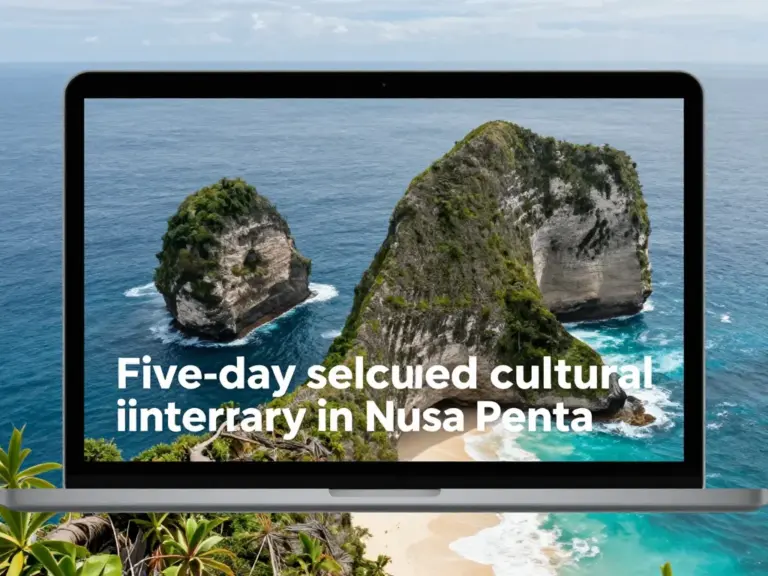
Nusa Penida is often synonymous with viral Instagram spots, crowded viewpoints, and fast-paced day trips. However, beneath the surface of the Kelingking Beach chaos lies a deeply spiritual and culturally rich island waiting to be explored. This 5-day cultural itinerary in Nusa Penida is designed for the traveler who wants to step away from the crowds, engage with local traditions, and experience the quieter, more authentic side of this rugged island.
5-day cultural itinerary in Nusa Penida: Understanding the Cultural Landscape of Nusa Penida
Unlike the mainland of Bali, where tourism infrastructure is highly developed, Nusa Penida retains a rawer, more traditional character. The local population is predominantly Hindu, but their practice often incorporates distinct local customs and ancestral worship. When you plan a 5-day cultural itinerary in Nusa Penida, your goal should be respectful observation and engagement rather than mere sightseeing. Remember that temples here are active places of worship, not just photo backdrops.
Day 1: Arrival and Immersion in Toyapakeh
Start your journey by settling into Toyapakeh. While it serves as the main harbor, the surrounding village life is vibrant and often overlooked. Spend your first afternoon walking through the local markets where you can find fresh produce and traditional snacks. Visit the local Pura Dalem to witness the unique architectural style of Penidan temples, which often utilize local white limestone.
Day 2: The Spiritual Heart – Pura Puncak Mundi
On your second day, head to the highest point of the island: Pura Puncak Mundi. This temple complex is rarely visited by the standard day-trip tour buses. It is a place of profound silence and cool mountain air. The climb to the top offers panoramic views of the island, but the true value lies in the atmosphere of the temple itself. It is a site deeply connected to the island’s ancestral heritage.
Day 3: Coastal Rituals and Seclusion
Devote your third day to exploring the eastern coast. Skip the crowded Kelingking viewpoint and instead head towards the lesser-known temples near the coast. You will find small, cliffside shrines where locals leave daily offerings. Engaging with the coastline here provides a different perspective on the relationship between the Balinese people and the ocean—a relationship defined by both reverence and reliance.
Day 4: Handicrafts and Village Life
Nusa Penida has a history of seaweed farming and traditional weaving. Spend day four visiting a local seaweed farming community in the south. While the industry has fluctuated, the techniques remain a part of the local identity. If you are lucky, you may find local artisans working on traditional crafts. This is an excellent opportunity to support the local economy directly by purchasing authentic souvenirs rather than mass-produced items.
Day 5: Reflection and Departure
Use your final day for reflection at a quiet beach like Atuh or Diamond Beach—but arrive at sunrise. By being the first one there, you capture the essence of the island before the day-trippers arrive from Sanur. Take this time to process the last few days of cultural immersion before heading back to the harbor.
Comparison: Standard Tourist Itinerary vs. Cultural Immersion
| Feature | Standard Tourist Itinerary | Cultural Immersion Itinerary |
|---|---|---|
| Focus | Viral Photo Spots | Local Traditions & History |
| Transportation | Group Tour Vans | Scooter or Private Driver |
| Pace | High-Speed, Rushed | Slow, Observational |
| Accommodation | Large Resorts | Homestays or Small Guest Houses |
| Interaction | Minimal | Meaningful Engagement |
Cultural Etiquette Checklist
- Dress Code: Always wear a sarong and sash when visiting any temple (Pura).
- Offerings: Never step on the Canang Sari (daily offerings) placed on the ground.
- Attitude: Ask for permission before taking photographs of people or ceremonies.
- Language: Learn basic Indonesian phrases like “Selamat siang” (Good day) or “Terima kasih” (Thank you).
- Respect: If a ceremony is taking place, observe from a distance and do not obstruct the path of worshipers.
Frequently Asked Questions (FAQ)
What is the best way to get around for a cultural trip?
Renting a scooter is the most flexible way to reach remote villages and temples. If you are not comfortable riding, hire a local private driver who can act as a cultural guide and knows the quieter routes.
Are there specific times of the year to avoid the crowds?
The peak season is July-August and December-January. For a quieter experience, aim for the shoulder months of April, May, or September.
Is it acceptable to visit temples during ceremonies?
Yes, but with caution. If a ceremony is in progress, you are usually welcome to watch from the sidelines, provided you are dressed appropriately and remain quiet. Do not enter the inner sanctum unless invited.
How can I support the local community?
Stay in locally-owned homestays, eat at local ‘warungs’ (small family-run eateries), and hire local guides rather than booking large, non-local tour packages.