What Makes an Orangutan Sanctuary Ethical in Indonesia?
- What Makes an Orangutan Sanctuary Ethical in Indonesia?
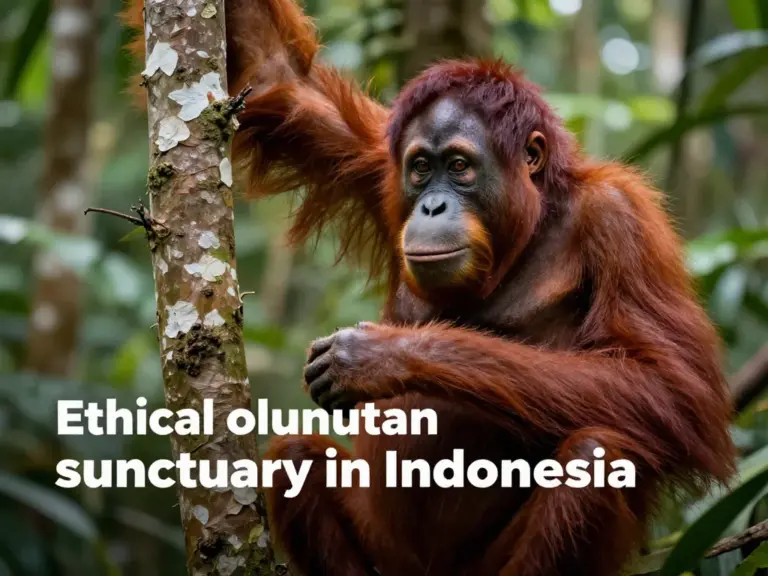
When travelers dream of visiting the lush rainforests of Sumatra or Borneo, seeing the iconic orangutan is often at the top of the list. However, with the rise of eco-tourism, it is vital to understand What Makes an Orangutan Sanctuary Ethical in Indonesia. Not all wildlife experiences are created equal, and knowing the difference between a genuine rehabilitation center and a tourist trap is crucial for the welfare of these critically endangered great apes.
Understanding Ethical Wildlife Tourism
Ethical wildlife tourism prioritizes the well-being of animals over human entertainment. In the context of orangutans, this means that the sanctuary’s primary goal must be conservation, rehabilitation, and, whenever possible, reintroduction into the wild. Authentic sanctuaries focus on minimizing human interaction to prevent habituation, ensuring that orangutans remain wild animals rather than performers.
Key Indicators of an Ethical Sanctuary
- No Direct Contact: Ethical centers strictly prohibit visitors from touching, hugging, or taking selfies with orangutans.
- Rehabilitation Focus: The facility works to teach orphaned or rescued orangutans the skills needed for jungle survival.
- Transparency: They are open about their conservation goals and funding sources.
- Restricted Visitation: Access is limited to specific areas or viewing platforms to minimize stress on the animals.
Why Avoiding ‘Petting’ Experiences Matters
One of the most important aspects of What Makes an Orangutan Sanctuary Ethical in Indonesia is the strict enforcement of a ‘no-touch’ policy. When you see tourist photos of people holding baby orangutans, it is a major red flag. These interactions are often indicative of illegal wildlife trade or exploitation. Removing a baby from its mother is traumatic and fundamentally counter-productive to conservation. By choosing to visit only centers that maintain a respectful distance, you are actively participating in the protection of the species.
The Role of Rehabilitation Centers
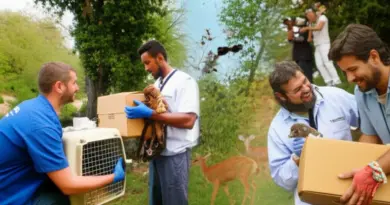
Genuine rehabilitation centers act as temporary homes. They accept orangutans that have been orphaned by deforestation or illegal hunting. The staff, which includes veterinary experts and primatologists, provides medical care and social development. The ultimate goal is release. If a sanctuary offers ‘guaranteed’ encounters or keeps animals in small, bare cages for viewing, it is likely not serving the best interests of the orangutans.
How to Verify a Sanctuary
Before booking your trip, perform a quick check. Look for accreditation from international wildlife organizations. Read reviews from conservation-focused travelers rather than generic tourist sites. Check if the organization supports local community education and habitat protection, as these are signs of a holistic approach to conservation.