How to Get to Sumba Like a Local: A Practical Transport Guide
Sumba is one of Indonesia’s most captivating islands, offering raw landscapes, ancient traditions, and world-class surfing. However, unlike the well-trodden paths of Bali, the logistical reality of how to get to Sumba requires a bit more planning and local know-how. Whether you are chasing the perfect wave or seeking cultural immersion, understanding the transit nuances is the first step to a successful adventure.
how to get to Sumba: Understanding Your Arrival Points
Sumba is a large island divided into two main administrative regions: East Sumba and West Sumba. Because the island is vast and the terrain can be rugged, your entry point dictates your entire itinerary. Most travelers arrive by air, though sea routes exist for those on a tighter budget or a slower schedule.
Flying into Tambolaka (West Sumba)
Tambolaka Airport (TMC) serves the western region, which is the hub for surf camps, luxury resorts like Nihi Sumba, and the iconic Weekuri Lagoon. Most flights to Tambolaka connect through Bali (DPS). When booking, always check the weight limits, as regional airlines often have stricter policies than international carriers.
Flying into Waingapu (East Sumba)
Waingapu Airport (WGP) is the gateway to the east. This region is known for its traditional ikat weaving villages, rolling savannahs, and quieter beaches. If you are starting your journey here, ensure your accommodation is booked in advance, as the airport is located a fair distance from the main town center.
Comparing Transport Methods
Choosing between speed and cost is a classic trade-off in Sumba. Here is a breakdown of how the different modes of transport compare for the average traveler.
| Method | Pros | Cons | Best For |
|---|---|---|---|
| Domestic Flight | Fastest, comfortable | More expensive, variable schedules | Time-sensitive travelers |
| Ferry (PELNI) | Very cheap, authentic | Slow, unpredictable, basic | Backpackers, slow travelers |
| Private Car/Driver | Flexible, convenient | Costly | Groups, remote exploration |
| Motorbike Rental | Maximum freedom | Demanding, safety risks | Experienced riders |
Once you land, the real adventure begins. Public transport, known locally as bemo or shared minivans, is the primary way locals get around. These vehicles are efficient if you speak basic Indonesian and have a flexible schedule, but they are rarely on a fixed timetable.
Hiring a Private Driver
For most visitors, especially those visiting for a week or less, hiring a private driver is the most “local” way to support the economy while maximizing your time. A good driver acts as a translator, guide, and navigator. They know which roads are currently under construction and which villages might have local ceremonies happening.
Renting a Motorbike
If you are an experienced rider, renting a motorbike gives you the freedom to explore at your own pace. However, Sumba’s roads can be treacherous, with sudden potholes and livestock crossing the path. Only rent a bike if you have an international driving permit, a helmet, and travel insurance that covers motorcycle accidents.
Essential Checklist for Your Sumba Arrival
Before you depart, ensure you have checked the following items off your list to ensure a smooth transition:
- Cash is King: ATMs are scarce outside the main towns of Waingapu and Waikabubak. Withdraw sufficient cash before leaving the airport.
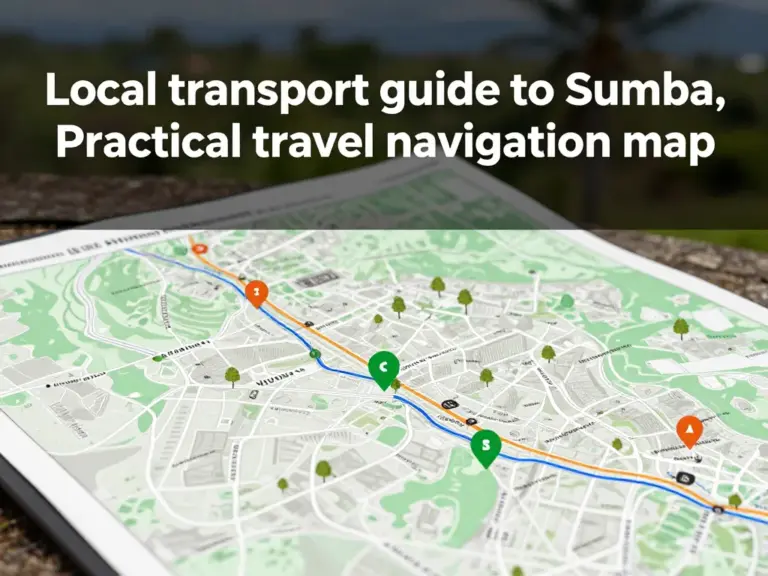
- Offline Maps: Download Google Maps for the entire island. Cellular data can be spotty in remote coastal areas.
- Connectivity: Telkomsel offers the most reliable coverage on the island. Buy a local SIM card at the airport or in a major city.
- Advance Bookings: If you are traveling during peak season (July–August), book your driver or rental vehicle at least two weeks in advance.
- Packing Light: If you are taking regional flights, pack a lighter bag to avoid excess baggage fees.
Conclusion
Learning how to get to Sumba is the gateway to one of Indonesia’s final frontiers. By choosing your entry point strategically and planning your ground transport in advance, you can spend less time worrying about logistics and more time soaking in the incredible culture and landscapes of this unique island. Remember, patience is key—things move on ‘island time’ here, and that is part of the charm.
Frequently Asked Questions (FAQ)
A: It depends on your itinerary. Fly into Tambolaka for West Sumba (surf, luxury resorts, waterfalls). Fly into Waingapu for East Sumba (cultural villages, ikat, savannas).
A: There is no direct ferry from Bali to Sumba. You typically need to go via Sumbawa or Flores, which is a very long journey. Flying is highly recommended for most travelers.
A: Ask your accommodation host to arrange a driver. They usually have a network of trusted locals who know the roads well and can provide a safer, more informative experience than random street hires.
A: Currently, ride-hailing apps like Grab and Gojek are not widely available or reliable in Sumba. You will need to rely on local taxis, hotel transfers, or private car hires.