Health and Safety in the Tropics: Essential Vaccines, Dengue & Malaria Prevention, and Travel Insurance
Embarking on an adventure to the lush, vibrant landscapes of Indonesia is a dream for many travelers. However, maintaining Health and Safety in the Tropics requires more than just packing sunscreen and swimwear. The tropical climate, while beautiful, introduces unique environmental health considerations. Whether you are trekking through the jungles of Sumatra or relaxing on the beaches of Bali, being proactive about your well-being is the key to a stress-free vacation. This guide provides essential insights into staying healthy, preventing mosquito-borne illnesses, and the critical importance of travel insurance.
Understanding Tropical Health Risks
The tropics are home to diverse ecosystems, which naturally host a variety of insects and bacteria not common in temperate zones. Travelers often worry about water safety, food hygiene, and insect-borne diseases. By understanding the risks, you can take simple, effective precautions. Preparation begins at least six weeks before your departure, giving your body time to build immunity from necessary vaccinations.
Essential Vaccines for Indonesia
While Indonesia is a popular destination, specific health requirements can vary depending on your itinerary and duration of stay. Standard routine vaccinations should always be up to date, including Measles-Mumps-Rubella (MMR), Diphtheria-Tetanus-Pertussis, and Polio. For travelers heading to Indonesia, additional protection is often recommended:
- Hepatitis A and B: Recommended for most travelers due to the risk of exposure through contaminated food or water.
- Typhoid: Highly recommended, as it is transmitted through contaminated food and water, which can happen even in tourist areas.
- Japanese Encephalitis: This may be recommended for those spending significant time in rural areas or during the rainy season.
Dengue and Malaria Prevention Strategies
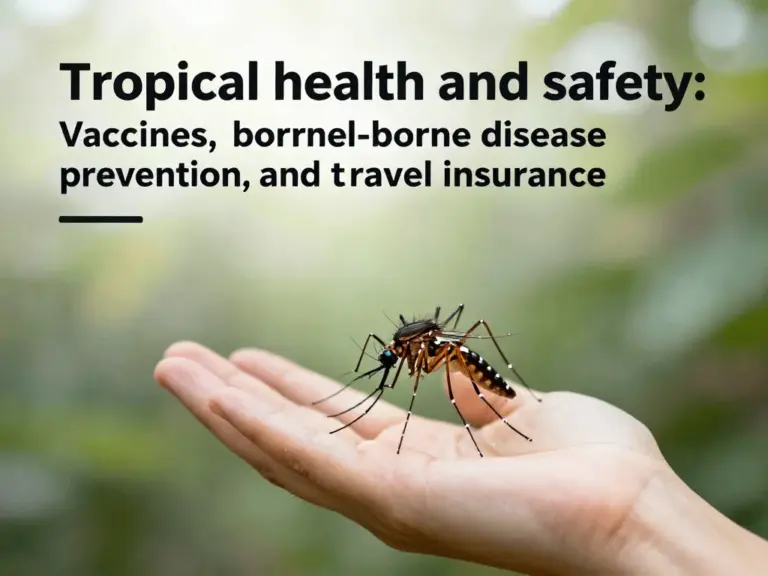
Mosquito-borne illnesses like Dengue Fever and Malaria remain a concern in many tropical regions. Unlike Malaria, which is transmitted by the Anopheles mosquito, Dengue is transmitted by the Aedes mosquito, which is most active during the day. Prevention relies heavily on minimizing exposure.
Practical Tips for Mosquito Defense:
- Use Repellent: Apply a high-quality insect repellent containing DEET (20-30%) or Picaridin.
- Dress Appropriately: Wear long-sleeved shirts and long pants, especially during dawn and dusk.
- Sleep Protected: Use bed nets if staying in accommodation without adequate window screening or air conditioning.
- Manage Environment: Avoid standing water where mosquitoes breed.
The Importance of Travel Insurance
Many travelers overlook the importance of travel insurance, assuming they won’t need it. However, medical costs in the event of an emergency in a foreign country can be astronomical. A comprehensive travel insurance policy should cover more than just lost luggage; it must include medical evacuation, hospital stays, and outpatient treatment. When visiting remote Indonesian islands, medical facilities can be limited, and the cost of an air ambulance back to your home country or a major medical hub is significant. Always ensure your policy specifically covers the activities you plan to do, such as scuba diving or motorbiking.
Staying Hydrated and Safe
The tropical heat can lead to rapid dehydration. Drink plenty of bottled or treated water. Avoid tap water entirely. Additionally, be mindful of food safety. Street food is a highlight of Indonesian culture, but choose stalls that are busy with locals, as high turnover usually means fresher food. If in doubt, stick to hot, cooked meals.
คำถามที่พบบ่อย (FAQ)
1. Do I need malaria pills for Indonesia?
Malaria risk varies by region. While it is low in major tourist hubs like Bali, it is present in parts of Papua and rural areas. Consult your doctor to see if malaria prophylaxis is necessary for your specific route.
2. Is tap water safe to drink in Indonesia?
No, tap water is not safe to drink in Indonesia. Always consume bottled, boiled, or filtered water to avoid traveler’s diarrhea and other waterborne illnesses.
3. What should I include in my travel health kit?
A basic kit should include paracetamol, anti-diarrheal medication, rehydration salts (ORS), high-DEET insect repellent, antiseptic wipes, and any personal prescription medications in their original packaging.