How Mobile Coverage and Data Speeds Compare Across Indonesian Islands (4G/5G availability, rural gaps)
- How Mobile Coverage and Data Speeds Compare Across Indonesian Islands (4G/5G availability, rural gaps)
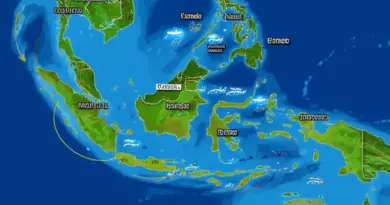
Indonesia, a breathtaking archipelago of over 17,000 islands, beckons travelers with its diverse landscapes, vibrant cultures, and unparalleled adventures. For the modern tourist, staying connected is often as crucial as finding the perfect beach or historical temple. Understanding Mobile Coverage and Data Speeds Across Indonesian Islands is vital for planning a seamless journey, whether you’re navigating bustling city streets or exploring remote natural wonders. This comprehensive guide delves into the intricacies of Indonesia’s mobile network, examining 4G and 5G availability, and highlighting the rural gaps that travelers might encounter.
Understanding Indonesia’s Mobile Network Landscape
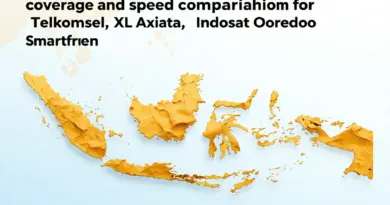
Indonesia’s telecommunications sector is dominated by several key players, primarily Telkomsel, XL Axiata, and Indosat Ooredoo. These providers are continuously expanding their networks, focusing on both urban centers and increasingly, rural areas. While 4G LTE is now widely available across many populated regions, 5G technology is still in its nascent stages, primarily rolled out in select metropolitan areas. The vast geographical spread of the archipelago, encompassing dense jungles, towering volcanoes, and countless islands, presents unique challenges for consistent network coverage and high data speeds. Factors such as terrain, population density, and infrastructure investment significantly influence the quality of connectivity you can expect. Telkomsel is frequently cited as having the widest coverage, particularly in more remote regions, making it a popular choice for travelers seeking reliability. [2, 3]
Island-by-Island Breakdown: Coverage & Speed Hotspots
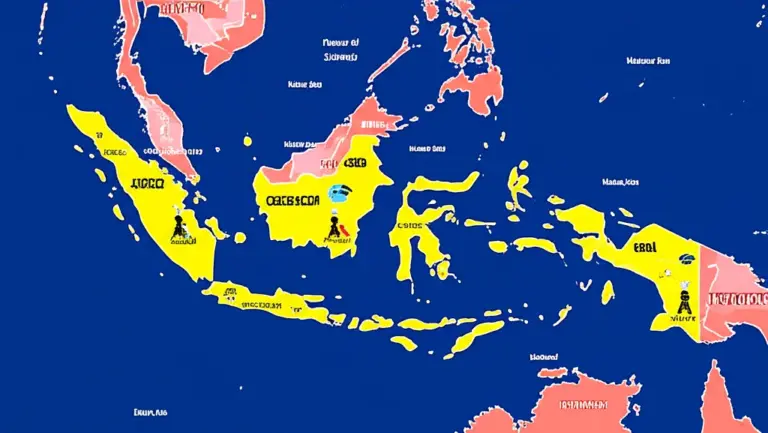
To truly understand Mobile Coverage and Data Speeds Across Indonesian Islands, a regional breakdown is essential. Connectivity can vary dramatically from one island to another, and even within different parts of the same island.
Java: The Digital Hub
As Indonesia’s most populous island and economic heartland, Java boasts the most robust mobile infrastructure. Major cities like Jakarta, Surabaya, and Bandung offer excellent 4G coverage with impressive speeds. 5G networks are also progressively expanding in these urban centers, providing ultra-fast connectivity for those with compatible devices. Even in Java’s rural areas, 4G coverage is generally reliable, though speeds may dip compared to metropolitan hubs. This makes Java one of the easiest islands to stay connected on. [7]
Bali: Tourist Connectivity Expectations
Bali, the undisputed jewel of Indonesian tourism, offers strong 4G coverage throughout its popular tourist destinations such as Kuta, Seminyak, Ubud, and Canggu. Data speeds are generally good, allowing for smooth browsing, social media updates, and even video streaming. 5G is also making its way to key tourist areas, enhancing the experience for visitors. However, venturing into Bali’s more remote northern or eastern regions, or its mountainous interiors, can lead to more variable coverage and slower speeds. [3, 4, 13]
Sumatra: Bridging Urban and Remote
Sumatra, Indonesia’s second-largest island, presents a mixed bag of connectivity. Major cities like Medan, Palembang, and Padang have good 4G coverage and decent speeds. However, due to its vast size and rugged terrain, significant rural gaps exist. Travelers exploring the remote national parks, volcanic landscapes, or lesser-visited coastal areas should anticipate limited or no signal, often dropping to 2G/3G or becoming entirely unavailable.
Sulawesi, Kalimantan, and Lesser Sunda Islands (e.g., Lombok, Flores): Expanding Horizons
These islands are witnessing continuous improvements in mobile infrastructure, with 4G coverage becoming more prevalent in provincial capitals and tourist hotspots. For instance, Lombok, a popular destination near Bali, offers good 4G in its main towns and coastal resorts. However, much like Sumatra, rural areas and less developed regions on these islands still experience pronounced connectivity gaps. Travelers exploring places like Flores (home to Komodo National Park) or the interior of Kalimantan should not rely solely on mobile data for navigation or communication.
Remote and Eastern Islands (e.g., Papua, Maluku): The Connectivity Frontier
The eastern parts of Indonesia, including vast areas of Papua and the Maluku islands, remain the most challenging for mobile connectivity. Coverage is often sparse, limited to major towns, and frequently only offers 2G or 3G speeds. In many truly remote locations, satellite internet may be the only available option. Travelers to these regions must prepare for prolonged periods without mobile signal and plan accordingly.
4G vs. 5G: What Travelers Can Expect
4G: The Workhorse of Indonesian Connectivity
For most tourists, 4G LTE will be the primary mode of mobile connectivity across Indonesia. It is widely available in urban and semi-urban areas and provides sufficient speeds for everyday tasks like web browsing, social media, messaging apps, and standard-definition video streaming. Opensignal data indicates that 4G often offers faster speeds than Wi-Fi in Indonesia, with average download speeds around 17 Mbps. [12]
5G: The Future, But Not Yet Widespread for Tourists
While 5G is being rolled out, it’s largely confined to specific districts within major cities like Jakarta, Surabaya, and some tourist areas in Bali. For the average tourist, 5G isn’t yet a critical factor in planning their connectivity, as its coverage is still limited. However, where available, 5G offers significantly faster speeds, with Opensignal reporting average download speeds of 54.6 Mbps – over three times faster than 4G. [12, 13]
Pro Tip for 5G!
If you have a 5G-enabled phone and plan to spend significant time in Jakarta or Bali’s main tourist hubs, you might experience these ultra-fast speeds. Otherwise, 4G will be your reliable companion.
Recognizing that mobile coverage is not uniform is key to a stress-free trip. Here’s how to mitigate the impact of rural gaps:
- Pre-trip Research: Use online coverage maps (often provided by the operators themselves) to check expected signal strength in your intended destinations.
- Local SIM Cards: Purchasing a local SIM card upon arrival is highly recommended. Telkomsel is generally considered to have the widest coverage, especially for those venturing off the main tourist trails. [2, 3]
- Portable Wi-Fi Devices: For groups or those with multiple devices, a portable Wi-Fi hotspot can be a good investment, though it still relies on cellular signal.
- Offline Resources: Download offline maps (e.g., Google Maps, Maps.me) and essential travel information before heading to remote areas.
- Manage Expectations: Embrace the opportunity to disconnect in truly remote locations. Sometimes, the best views come with no signal.
Tips for Tourists: Maximizing Your Mobile Experience in Indonesia
To make the most of your mobile connectivity while exploring Indonesia, consider these practical tips:
Conclusion
Indonesia offers a captivating journey for every traveler, and staying connected can significantly enhance the experience. While the country’s mobile infrastructure is continuously improving, understanding how Mobile Coverage and Data Speeds Across Indonesian Islands vary is crucial. From the excellent 4G/5G in Java and Bali’s tourist hubs to the more challenging rural gaps in Sumatra and the eastern islands, preparedness is key. By choosing the right provider, understanding your options, and utilizing offline resources, you can confidently navigate Indonesia’s digital landscape and focus on creating unforgettable memories.
คำถามที่พบบ่อย (FAQ)
References
- Buying a SIM Card in Indonesia – 8 Things to Know – YouTube
- The ONLY SIM CARD You Need in Bali, Indonesia – YouTube
- How To Buy a Tourist Sim Card in Bali in 2025 – YouTube
- How to Use Cell Phone in Indonesia: Traveler’s Guide to Stay Connected – Gigago eSIM
- Buying a Sim Card at Jakarta Airport – YouTube
- Can I Use My Phone In Indonesia? – Exploring Southeast Asia – YouTube
- 5G in Indonesia is far superior to Wifi, and 4G – Opensignal
- When Will 5G Be Available In Indonesia? – Exploring Southeast Asia – YouTube
- Getting a SIM Card or eSIM in Indonesia: Complete Guide to Coverage, Costs, and Top Providers
- Why and When to Choose a Physical SIM vs eSIM in Indonesia (tourists, expats, long-stay)
- Pricing, Packages, and How to Buy: Prepaid, Postpaid, Reloads, and eSIM Plans (activation steps and required documents)