Coffee Culture Along the Way: Top Coffee Plantations, Local Cafés, Tasting Tips, and Where to Buy Beans
- Coffee Culture Along the Way: Top Coffee Plantations, Local Cafés, Tasting Tips, and Where to Buy Beans
Introduction: The Rich Aroma of Indonesia Coffee Culture Guide
Coffee in Indonesia, or kopi, is more than just a beverage; it is deeply woven into the social and economic fabric of the country. From the traditional Warung Kopi (coffee stalls) serving thick, sweet brews to modern specialty cafés showcasing single-origin Arabica, the experience is diverse and incredibly rewarding. For tourists, exploring this culture means understanding the unique terroir that gives birth to world-renowned beans like Sumatra Mandheling, Java Estate, and Bali Kintamani. Prepare to embark on a sensory adventure that defines the true spirit of Indonesian hospitality and craftsmanship.
Journey Through Indonesia’s Premier Coffee Plantations
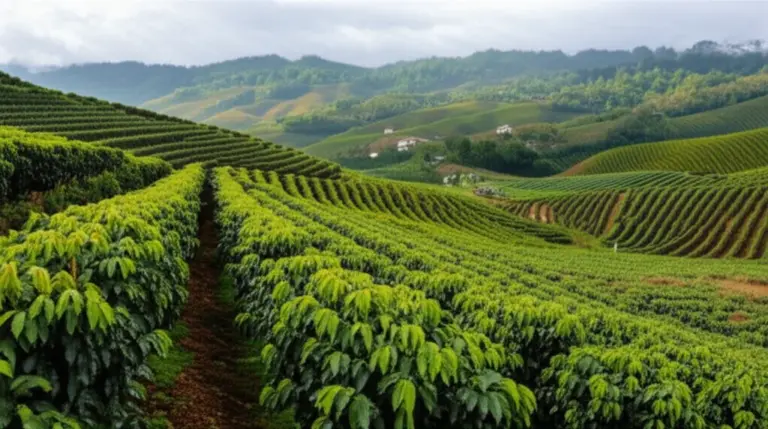
Visiting a plantation offers an unparalleled insight into the ‘seed-to-cup’ process. These estates, often nestled in stunning, high-altitude regions, provide educational tours and, crucially, the freshest beans you can find.
Sumatra: Home of Mandheling and Gayo
Sumatra is famed for its wet-hulled processing method (Giling Basah), which results in a distinct earthy, low-acidity, and full-bodied cup. The highlands of Aceh (Gayo) and North Sumatra (Mandheling) are essential stops. Many plantations welcome visitors, allowing you to witness the unique blue-green hue of the beans and the meticulous sorting process.
Java and Bali: The Volcanic Terroir
Java pioneered large-scale commercial coffee production under Dutch colonial rule. Today, the high-altitude estates on the Ijen Plateau produce highly consistent, clean, and sometimes spicy Arabica. In contrast, Bali Kintamani coffee, grown alongside citrus trees, features a sweet, smooth body with notes of grapefruit and spice, often cultivated using the traditional Subak water management system.
Sulawesi (Toraja): High Altitude Excellence
Toraja coffee is known for its balanced flavor, heavy body, and complex notes of dark chocolate and ripe fruit. The remote, mountainous terrain of Sulawesi contributes to the distinctive flavor profile. Visiting this region offers not only a coffee tour but also an immersion into the rich, ancient culture of the Torajan people.
Watch: The Diversity of Indonesian Coffee
A look into the different regions and processing methods that make Indonesian coffee unique.
Mastering the Brew: Essential Coffee Tasting Tips
To truly appreciate the nuances of Indonesian beans, adopt the techniques used by professional cuppers. Tasting is a multi-sensory experience that goes beyond simply drinking. Here are key tasting tips to elevate your coffee journey:
| Step | Action | Purpose |
|---|---|---|
| Smell (Dry) | Inhale the aroma of the freshly ground, dry coffee. | Identify initial notes—often nutty, spicy, or earthy. |
| Break the Crust | After brewing, gently break the crust of grounds floating on top. | Releases the primary aromatic compounds (Fragrance). |
| Slurp Loudly | Slurp the coffee loudly to spray it across your palate. | Aerate the coffee, allowing volatile compounds to reach your nasal passages, enhancing flavor perception. |
| Evaluate Body | Note the texture and weight of the liquid in your mouth. | Indonesian coffees are typically known for their heavy, syrupy body. |
The Vibrant Local Café Scene (Warung Kopi)
While modern specialty cafés abound, especially in Jakarta and Bali, the heart of the local coffee experience lies in the traditional Warung Kopi. These humble establishments are community hubs where locals gather from morning till night. The typical preparation involves pouring boiling water over finely ground coffee and sugar, allowing the grounds to settle at the bottom, resulting in a thick, unfiltered brew.
Must-Try Local Brews:
- Kopi Joss (Yogyakarta): Coffee served with a lump of hot charcoal dropped in! This bizarre tradition supposedly neutralizes acidity and adds a unique smoky flavor.
- Kopi Tarik (Pulled Coffee): Popular in Sumatra and Aceh, similar to Malaysian Teh Tarik, where the brew is poured repeatedly between two vessels to cool and aerate it.
- Kopi Alpukat (Avocado Coffee): A creamy, sweet, and surprisingly refreshing blend of coffee, avocado juice, and chocolate syrup—a modern favorite.
Where to Buy the Best Indonesian Coffee Beans
Bringing home high-quality beans is the ultimate souvenir. To ensure you get the best, follow these guidelines. Look for specialty roasters in major cities or buy directly from the processing mills at plantations. Always ask for the roast date; fresher is always better.
- **Single Origin:** Focus on specific regions (e.g., Gayo, Kintamani, Toraja) rather than generic ‘Indonesian Blend’.
- **Ethical Sourcing:** If purchasing Kopi Luwak (Civet Coffee), ensure it is *wild-sourced* or certified ethical, as caged civet farming is a widespread welfare concern.
- **Whole Bean:** Always buy whole beans and grind them just before brewing for maximum flavor retention.
For those interested in seeing the process firsthand, plantation tours often conclude with a chance to purchase newly processed beans. For instance, many estates around Bandung, West Java, or the Kintamani region of Bali offer excellent direct-purchase opportunities. This comprehensive **Indonesia Coffee Culture Guide** ensures you leave with not just memories, but the finest coffee the archipelago has to offer.
คำถามที่พบบ่อย (FAQ)
References
Specialty Coffee Association (SCA) Resources on Asian Coffees
Coffee Review Guides to Indonesian Varieties