Exploring the Temples: Site Maps, Key Reliefs and Shrines, Photography Tips, and Accessibility Information
- Exploring the Temples: Site Maps, Key Reliefs and Shrines, Photography Tips, and Accessibility Information
Indonesia, an archipelago rich in history and spirituality, hosts some of the world’s most breathtaking ancient temple complexes. For the discerning traveler focused on Exploring the Temples: Site Maps, Key Reliefs and Shrines, Photography Tips, and Accessibility Information, preparation is key. This comprehensive guide offers the expertise needed to navigate these sacred sites, from understanding intricate carvings to ensuring a comfortable visit.
Our deep dive into these architectural marvels ensures you maximize your cultural immersion while respecting the historical significance of these locations. We will cover practical site navigation, highlight must-see artistic features, and provide crucial logistical advice for all visitors.
Understanding the layout of major Indonesian temples—such as Borobudur (Buddhist) and Prambanan (Hindu)—is essential for an efficient visit. Most large sites provide official maps at the entrance, but preparation allows you to prioritize your exploration.
Borobudur Temple: A Mandala in Stone
Borobudur, a massive 9th-century Mahayana Buddhist monument, is structured like a three-dimensional mandala, symbolizing the path to enlightenment. The site map is conceptually divided into three main levels:
- Kamadhatu (The World of Desire): The base level, often partially buried, representing the realm of human desires.
- Rupadhatu (The World of Forms): The middle, square terraces, featuring hundreds of narrative relief panels.
- Arupadhatu (The World of Formlessness): The upper, circular terraces housing the main stupas.
A typical route follows the circumambulation path, moving clockwise through the galleries. Allow at least three hours to fully appreciate the narrative reliefs.
Prambanan Temple Complex: The Trimurti Focus
Prambanan is a vast complex dedicated to the Hindu Trimurti (Brahma, Vishnu, Shiva). The site map centers on the main temples, surrounded by hundreds of smaller, ancillary shrines (Candi).
| Shrine | Deity | Significance |
|---|---|---|
| Candi Shiva Mahadeva | Shiva | The largest and most prominent structure. |
| Candi Vishnu | Vishnu | Second largest, often featuring dedicated reliefs. |
| Candi Brahma | Brahma | The third main temple. |
Modern site management often uses electric carts to traverse the periphery, which is helpful for covering the extensive grounds.
Key Reliefs and Shrines: Stories in Stone
The true essence of these sites lies in their detailed iconography. Expert knowledge of the key reliefs and shrines elevates the visit from sightseeing to genuine historical study.
Borobudur’s Narrative Panels
The reliefs on the Rupadhatu terraces depict key Buddhist Jatakas (stories of the Buddha’s previous lives), the Lalitavistara (the life of Shakyamuni Buddha), and the Gandavyuha (the search for ultimate reality).
- The Birth and Enlightenment: Look for the panels detailing the conception and eventual attainment of Nirvana.
- The Sermon at Sarnath: A crucial scene depicting the first teaching.
- The Footprints of the Buddha: Found near the top terraces, symbolizing his presence.
Prambanan’s Ramayana Friezes
The inner galleries of the Prambanan complex exclusively feature the epic narrative of the Ramayana. These reliefs are exceptionally well-preserved and are best viewed in the morning light.
- The Battle Scenes: Dynamic carvings showing the conflict between Rama and Ravana.
- The Divine Marriage: Depictions of the wedding of Shiva and Parvati.
Hiring a licensed local guide at the entrance is highly recommended; they possess the nuanced understanding required to interpret these complex mythological narratives.
Mastering Temple Photography: Tips and Ethics
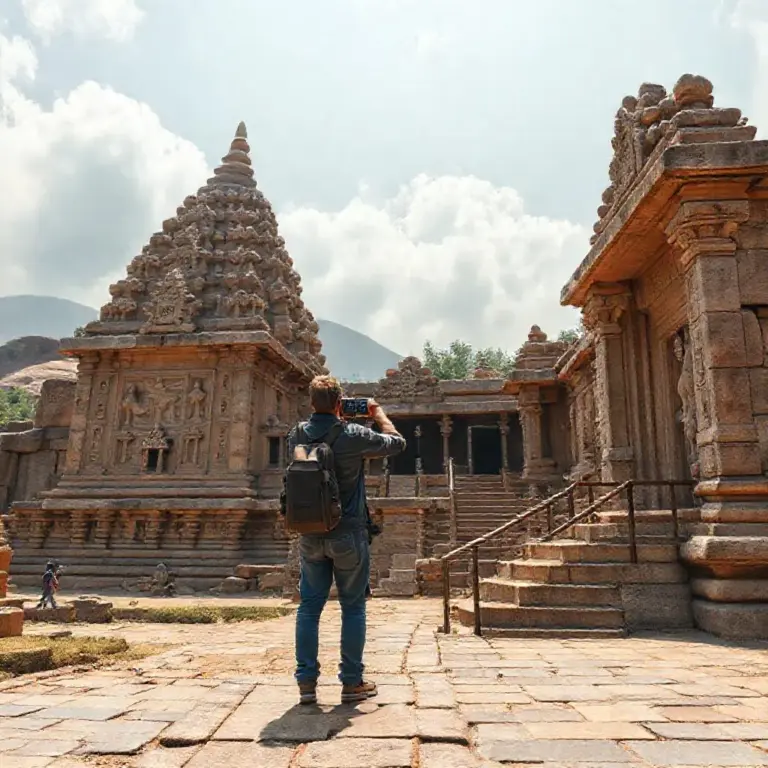
Capturing the majesty of these ancient sites requires more than just a good camera; it requires respect for the environment and adherence to current regulations. Mastering the photography tips specific to these locations is crucial.
Timing is Everything
The best light occurs during the ‘Golden Hours’—shortly after sunrise and just before sunset. For Borobudur, sunrise viewing often requires an early ticket purchase, but the soft, warm light illuminating the stupas is unparalleled.
Drone Regulations and Tripods
Drone usage is strictly forbidden within the temple perimeters and surrounding national park areas due to conservation efforts and visitor safety. Tripods are generally allowed outside the main temple structures, but always check current site rules upon entry, as restrictions can change seasonally.
Embedding the Experience
To truly convey the scale, use wide-angle lenses for the overall architecture, but switch to telephoto lenses to isolate details in the distant stupas or specific relief carvings. For a powerful visual summary of the atmosphere, consider this video:
This visual aid helps illustrate the scale and photographic opportunities available at these magnificent sites.
Accessibility Information for All Travelers
Ensuring an inclusive experience is vital. While many ancient sites were not originally designed with modern mobility in mind, significant efforts have been made to improve accessibility information. Travelers should plan ahead regarding mobility challenges.
Borobudur Accessibility
The main challenge at Borobudur is the steep, uneven stone steps leading to the upper terraces. For visitors with significant mobility limitations:
- Wheelchair access is generally limited to the ground level and the first terrace.
- Small electric carts or dedicated staff assistance may be available for navigating the grounds outside the main structure.
Prambanan Accessibility
Prambanan is flatter than Borobudur, which aids navigation, though the courtyards are large and the steps into the main shrines remain challenging.
Logistical Considerations: Getting There and Logistics
To complete your preparation for Exploring the Temples: Site Maps, Key Reliefs and Shrines, Photography Tips, and Accessibility Information, here is essential logistical data.
Location Mapping
Borobudur is approximately 40km northwest of Yogyakarta, while Prambanan is about 17km east of the city center. Utilizing reliable local transport is recommended for the best experience.
Essential Visitor Checklist
Ensure you pack appropriately for the tropical climate and the solemn nature of the sites:
- Lightweight, breathable clothing (shoulders and knees must be covered for entry into certain areas, though scarves are often provided).
- Sun protection: Hat, high-SPF sunscreen, and sunglasses.
- Ample water supply.
- Comfortable walking shoes suitable for uneven stone surfaces.
- Small cash for local vendors or tips.
Conclusion
By integrating knowledge of the site maps, appreciating the profound stories etched in the key reliefs, adhering to responsible photography practices, and planning for accessibility needs, your journey through Indonesia’s ancient temples will be richly rewarding. These monuments stand as timeless testaments to human devotion and architectural genius.
คำถามที่พบบ่อย (FAQ)
Here are answers to frequently asked questions about visiting Indonesian temples.
References
For further reading and official guidelines, consult these resources:
- UNESCO World Heritage Centre: Borobudur Temple Compounds
- Indonesian Ministry of Culture – Candi Information Portal
- Borobudur and Prambanan: The Ultimate Visitor’s Guide to Java’s Majestic Temples — Tickets, Tours, and Tips for First-Time Travelers
- Why Visit Borobudur and Prambanan? History, Cultural Significance, and Best Time to Go
- Planning Your Trip: How to Get There, Buy Tickets, Choose Guided Tours, and Book Sunrise/Sunset Experiences