Money in Indonesia: ATMs, Cashless Payments, FX Rates, and Tipping Norms — Essential Guide for Travelers and Expats
- Money in Indonesia: ATMs, Cashless Payments, FX Rates, and Tipping Norms — Essential Guide for Travelers and Expats
The Indonesian Rupiah (IDR): Understanding the Currency
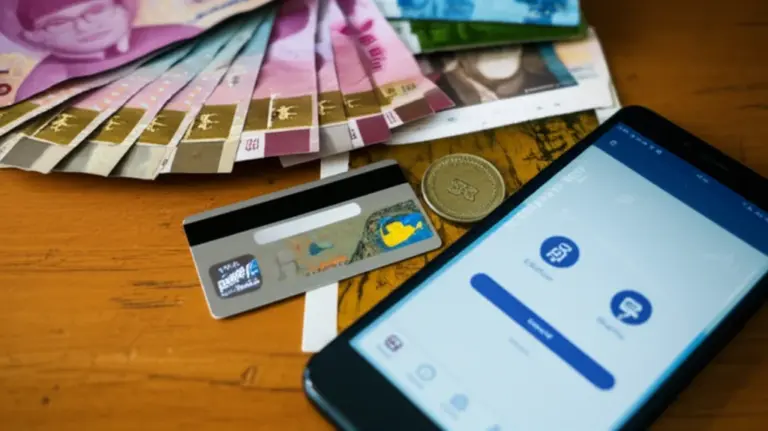
The official currency of Indonesia is the Rupiah (IDR). It is characterized by its large denominations, meaning you will often be dealing with transactions involving hundreds of thousands, or even millions, of Rupiah. The currency comes in both coins (rarely used by tourists) and banknotes. Banknotes are the primary medium for transactions and range from Rp1,000 up to Rp100,000. For reference, the Rp100,000 note is the largest and most commonly used for significant purchases.
Current Exchange Rate Landscape (FX Rates)
Exchange rates are highly variable. While major banks offer competitive rates, travelers should be wary of small, unauthorized money changers, especially in tourist hubs like Kuta or Ubud, which often advertise unrealistically high rates but charge hidden commissions. Always use reputable, licensed money changers or exchange at major bank branches. When exchanging cash, always count the money carefully before leaving the counter.
| Currency Handling Tip | Action Recommended |
|---|---|
| Best Exchange Method | Use major bank ATMs or licensed money changers. Avoid airport kiosks for large amounts. |
| Large Notes | Keep smaller denominations (Rp20,000, Rp50,000) handy for street vendors and small taxis. |
| Exchange Scams | Never accept an exchange offer from someone on the street. Use official counters only. |
Despite the move towards digital payments, cash remains king for many smaller transactions, especially outside major cities. ATMs are widely available in urban centers and tourist areas, particularly those operated by major Indonesian banks like Bank Mandiri, BCA, BNI, and BRI. Look for ATMs located inside bank branches or shopping malls for maximum security.
ATM Fees and Daily Limits
- Card Acceptance: Most Indonesian ATMs accept international cards (Visa, Mastercard, Plus, Cirrus).
- Withdrawal Limits: ATMs typically dispense Rp1,500,000 (for machines loaded with Rp50,000 notes) or Rp2,500,000 to Rp3,000,000 (for machines loaded with Rp100,000 notes) per transaction.
- Fees: You will likely incur a foreign transaction fee from your home bank and potentially a local ATM fee. Use banks that reimburse foreign ATM fees, if possible.
- DCC Warning: When withdrawing, always choose to be charged in the local currency (IDR), NOT your home currency, to avoid Dynamic Currency Conversion (DCC) markups.
Safety Tips for Cash Handling
Due to the high denominations, carrying large amounts of cash is common. Be discreet when counting cash and use secure, well-lit ATMs. Avoid using ATMs late at night or in isolated locations. It is highly recommended to inform your bank of your travel dates to prevent your cards from being blocked due to suspicious activity.
The Rise of Cashless Payments in Indonesia
Indonesia is rapidly embracing digital finance. In major cities and tourist zones like Bali and Java, cashless options are becoming the norm, often preferred over card payments due to lower fees for merchants. The government-backed QRIS system (Quick Response Code Indonesian Standard) unifies many digital payment platforms, making transactions seamless at participating vendors, from coffee shops to large retailers.
Popular E-Wallet Apps (GoPay, OVO, Dana)
For expats staying long-term, setting up a local e-wallet is essential. The most dominant platforms are GoPay (integrated with the Gojek super-app), OVO, and Dana. These apps are used for everything from ordering food and ride-sharing to paying utility bills. Tourists may find it challenging to top-up these apps without a local bank account, but they are increasingly accepting international cards for some services.
Using International Credit and Debit Cards
International Visa and Mastercard credit cards are widely accepted in hotels, large restaurants, and major retail chains. Discover and American Express acceptance is much lower. Always be aware of potential card skimming devices, especially at smaller merchant terminals. It’s always wise to carry a backup card and notify your card issuer of your travel plans.
Tipping Norms and Etiquette
Tipping culture in Indonesia is far more relaxed than in Western countries. While not mandatory, it is always appreciated, especially by service workers whose wages may be low. Tipping is generally seen as a bonus for exceptional service rather than a required percentage of the bill.
Tipping in Restaurants, Hotels, and Transport
- Restaurants: Many mid-to-high-end restaurants already include a 5-10% service charge and 10% government tax (often noted as ‘Service and Tax’). If a service charge is included, additional tipping is optional, perhaps rounding up the bill or leaving Rp10,000 – Rp20,000 for excellent service.
- Hotels: Tipping porters or housekeeping staff Rp10,000 – Rp20,000 per service is a polite gesture.
- Taxis/Ride-Share: For conventional taxis, simply rounding up the fare is sufficient. For Gojek or Grab drivers, tipping via the app is easy and highly recommended.
- Tour Guides: For a full-day tour, a tip of Rp50,000 – Rp100,000 is appropriate, depending on the group size and quality of the experience.
Essential Financial Tips for Travelers and Expats
The Golden Rules for Financial Management
- Use Separate Funds: Keep your money in different accounts or cards. A travel-specific debit card (like Revolut or Wise) often offers better FX rates than traditional banks.
- Set Up Mobile Banking: If staying long-term, opening a local account (e.g., BCA or Mandiri) simplifies bill payments and e-wallet top-ups.
- Budget for ‘The Small Stuff’: Small purchases like water, snacks, or cheap transport will always require cash. Ensure you always have small IDR notes available.
- Know Your Taxes: Prices in Indonesia usually exclude the 11% Value Added Tax (PPN), which is added at the point of sale, especially in modern establishments.
คำถามที่พบบ่อย (FAQ)
References
- Bank Indonesia Official Currency Information
- Travel Money Advice for Southeast Asia
- Guide to Indonesian E-Wallet Systems
- Understanding Indonesian Currency and Exchange Rates: Where to Convert Money, How Rates Work, and Tips to Avoid Bad FX Deals
- Finding and Using ATMs Safely in Indonesia: Fees, Daily Limits, Network Compatibility, and Security Best Practices
- Navigating Cashless Payments: E-wallets, Card Acceptance, QR Payments, and How to Set Up GoPay/Ovo/Dana as a Foreigner