Phinisi Shipbuilding in Bulukumba: How to Visit the Workshops Respectfully and Experience Traditional Boatbuilding
Deep in the southern reaches of South Sulawesi, Indonesia, lies a coastal regency where the air is thick with the scent of sawdust and the rhythmic sound of hammers against timber. Bulukumba, often referred to as the ‘Land of the Sails,’ is the ancestral home of the Phinisi. This iconic two-masted wooden sailing vessel is more than just a boat; it is a symbol of the maritime prowess of the Bugis-Makassar people and a masterpiece of human ingenuity. Understanding Phinisi shipbuilding in Bulukumba is to witness a living tradition that has remained virtually unchanged for centuries.
The Heart of the Craft: Tanah Beru and Ara Village
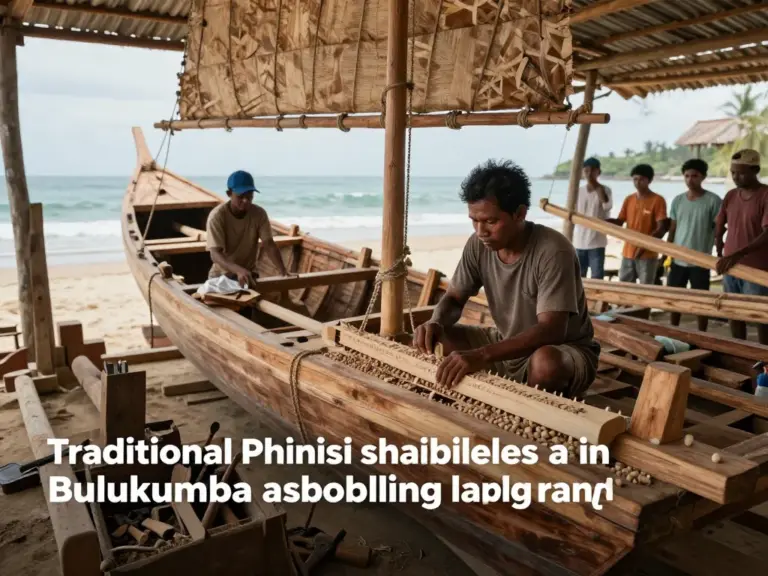
The epicenter of Phinisi shipbuilding in Bulukumba is centered around the villages of Tanah Beru, Ara, and Bira. Tanah Beru is perhaps the most accessible for visitors, featuring a long stretch of coastline lined with dozens of massive wooden hulls in various stages of completion. Here, the ‘Panrita Lopi’ (master shipbuilders) lead teams of skilled craftsmen who work without modern blueprints or complex machinery. Instead, they rely on architectural knowledge passed down through generations by word of mouth and ancestral intuition.
The Sacred Process of Traditional Boatbuilding
Phinisi shipbuilding is a deeply spiritual endeavor. It begins with the careful selection of timber, primarily ironwood (Eusideroxylon zwageri) and Bitti wood. Before the first plank is laid, a series of rituals are performed to ensure the safety and prosperity of the vessel. The construction process itself is unique: unlike Western ship construction where the frame is built first, the Phinisi builders construct the hull’s outer shell first, then fit the ribs inside. This ‘hull-first’ method requires incredible precision to ensure the ship remains watertight and balanced.
Key Stages of Construction:
- Timber Selection: Sourcing durable woods from the forests of Sulawesi and Kalimantan.
- The Ritual of the Keel: A ceremony involving offerings and prayers as the keel is laid.
- Planking: Using wooden dowels rather than metal nails to join the planks.
- Launching (Annyorong Lopi): A massive communal event where the village helps push the finished ship into the sea.
How to Visit the Workshops Respectfully
While the workshops are generally open to the public, it is essential to remember that these are active construction sites and sacred cultural spaces. To ensure a respectful experience, visitors should follow these guidelines:
- Ask for Permission: Always approach the master shipbuilder or the head of the workshop before entering the construction area or taking close-up photos.
- Dress Modestly: Bulukumba is a conservative region. Wearing clothing that covers shoulders and knees shows respect for the local community.
- Stay Out of the Way: The craftsmen are often handling heavy timber and using sharp tools. Keep a safe distance and do not obstruct their work.
- Avoid Touching Tools: Many tools are personalized and hold significant value to the craftsmen. Ask before touching anything.
- Engage Through a Guide: Hiring a local guide who speaks the dialect can bridge the communication gap and provide deeper insights into the specific rituals being performed.
Experiencing the Phinisi Legacy
Beyond just watching the construction, visitors can immerse themselves in the maritime culture of Bulukumba. You can visit the Ara Village to see the skilled carvers who create the intricate details of the ship’s interior. Many travelers also choose to stay in Bira, where they can see finished Phinisi boats anchored in the turquoise waters, ready to take tourists on diving expeditions across the Indonesian archipelago.
คำถามที่พบบ่อย (FAQ)
Q: Where exactly is the best place to see Phinisi shipbuilding in Bulukumba?
A: Tanah Beru is the primary location for large-scale workshops. It is located about 176 kilometers south of Makassar.
Q: Do I need to pay an entrance fee to visit the workshops?
A: There is usually no formal entrance fee for the beachside workshops, but it is polite to leave a small donation or purchase local handicrafts to support the community.
Q: How long does it take to build a single Phinisi boat?
A: Depending on the size and complexity, it can take anywhere from one to three years to complete a single vessel using traditional methods.
Q: Is it possible to sail on a Phinisi?
A: Yes, many Phinisi boats built in Bulukumba are now used as luxury liveaboards for diving and leisure cruises in areas like Labuan Bajo and Raja Ampat.
References
- Why visit Phinisi shipyards in Bulukumba? Understanding cultural significance, visitor expectations, and the best times to go
- Preparing for your visit: Practical tips on transport, guided tours, permissions, dress code, and local etiquette
- Respectful behavior at the workshops: Do’s and don’ts, photography rules, safety, and how to engage with craftsmen