Safety, Permits, and Environmental Guidelines for Responsible Volcano Exploration
- Safety, Permits, and Environmental Guidelines for Responsible Volcano Exploration
- Prioritizing Safety in Volcano Exploration
- Navigating Permits and Regulations
- Environmental Stewardship: Minimizing Impact
- Choosing Responsible Tour Operators
- Conclusion
- คำถามที่พบบ่อย (FAQ)
- What is the most important safety tip for volcano exploration in Indonesia?
- Are permits always required to visit volcanoes in Indonesia?
- How can tourists minimize their environmental impact when exploring volcanoes?
- Is it advisable to hire a local guide for volcano treks?
Indonesia, a breathtaking archipelago straddling the Pacific Ring of Fire, is home to over 130 active volcanoes, offering unparalleled opportunities for adventure and natural wonder. From the iconic Mount Bromo to the mystical Ijen Crater, these fiery peaks attract thousands of tourists seeking an extraordinary experience. However, the allure of volcano exploration comes with inherent risks and responsibilities. To ensure a safe, respectful, and sustainable journey, adhering to strict safety protocols, understanding necessary permits, and following environmental guidelines are paramount. This comprehensive guide provides essential information for tourists engaging in Responsible Volcano Exploration across Indonesia.
Prioritizing Safety in Volcano Exploration
Volcanoes are dynamic natural formations, and their activity can be unpredictable. Prioritizing safety is not just a recommendation; it’s a necessity. Being well-informed and prepared can make all the difference in ensuring a secure and enjoyable expedition.
Pre-Trip Preparation and Awareness
- Check Activity Levels: Always consult official sources like the Indonesian Center for Volcanology and Geological Hazard Mitigation (PVMBG) for the latest activity status and alert levels of the volcano you plan to visit. Volcanic alert levels range from Level I (Normal) to Level IV (Danger). Never attempt to visit a volcano under a high alert level.
- Hire a Local Guide: For most volcano treks, especially active ones, hiring a certified local guide is not only recommended but often mandatory. Local guides possess invaluable knowledge of the terrain, weather patterns, and emergency procedures. They can also provide cultural insights.
- Essential Gear and Health: Pack appropriate gear including sturdy hiking boots, layered clothing, rain gear, headlamp, first-aid kit, sufficient water, and high-energy snacks. Ensure you are physically fit for the trek, as some ascents can be challenging. Inform your guide of any medical conditions.
- Communication: Carry a fully charged mobile phone and consider a portable charger. Familiarize yourself with emergency contact numbers for local authorities and your tour operator.
During the Climb: Essential Safety Protocols
- Stick to Designated Paths: Always stay on marked trails. Veering off can lead to dangerous unstable ground, hidden vents, or protected ecological zones.
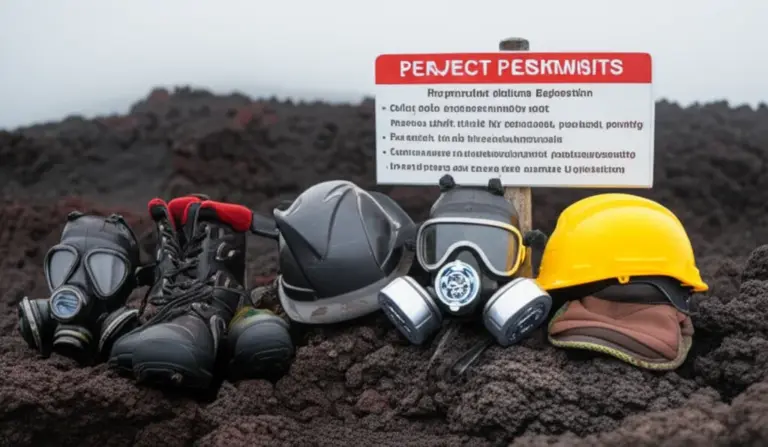
- Beware of Gases: Volcanic areas can emit toxic gases like sulfur dioxide. If you smell strong sulfur or feel unwell, immediately inform your guide and move to an area with fresh air. Gas masks are sometimes provided or recommended for certain locations like Ijen Crater.
- Follow Guide Instructions: Your guide’s instructions are for your safety. Adhere to their pace, warnings, and any changes in the plan due to conditions.
- Ash and Rockfall: Be aware of the possibility of ashfall or small rockfalls, especially during or after minor eruptions. Wearing a hat and protective eyewear can be beneficial.
Emergency Preparedness
While rare, emergencies can occur. Knowing basic emergency procedures and having a plan can be life-saving. Tour operators and guides should have established emergency protocols in place.
Important Safety Tip:
Never underestimate the power of nature. Always err on the side of caution when exploring active volcanic regions. Your safety is paramount.
Accessing Indonesia’s volcanoes often requires specific permits and adherence to local regulations. These rules are in place to manage tourism, protect the environment, and ensure visitor safety.
Types of Permits Required
- National Park Entry Fees: Many volcanoes are located within national parks (e.g., Bromo Tengger Semeru National Park, Mount Rinjani National Park). Entry fees are typically required and contribute to park maintenance and conservation. These can often be paid at park entrances.
- Trekking Permits: For multi-day treks or more challenging climbs (like Mount Rinjani), specific trekking permits are often necessary. These usually require registration with park authorities and may have quotas. It is advisable to book these in advance through registered tour operators.
- Photography/Videography Permits: While casual photography is generally allowed, professional or commercial photography/videography might require special permits and fees. Check with local park authorities if your intentions go beyond personal use.
Application Process and Authorities
The process for obtaining permits varies by location. For popular destinations, tour operators often handle the permit application as part of their package. For independent travelers, permits can be obtained at designated national park offices or tourism information centers. Always carry a copy of your passport and visa, as these may be required for registration.
Respecting Local Customs and Guidelines
Many volcanoes hold deep cultural and spiritual significance for local communities. Respecting their customs, traditions, and sacred sites is an integral part of Responsible Volcano Exploration. Dress modestly, especially when passing through villages or near temples, and always ask for permission before taking photos of people.
Environmental Stewardship: Minimizing Impact
Indonesia’s volcanic landscapes are fragile ecosystems with unique biodiversity. Responsible tourism means minimizing your environmental footprint and contributing to conservation efforts.
Leave No Trace Principles
- Pack It In, Pack It Out: Carry out all your trash, including organic waste like fruit peels. Do not leave anything behind.
- Stay on Trails: As mentioned for safety, staying on designated trails also prevents damage to delicate vegetation and reduces erosion.
- Minimize Campfire Impact: If camping is permitted, use established campsites and minimize the impact of campfires. Better yet, use a stove.
Protecting Flora and Fauna
- Do Not Disturb Wildlife: Observe animals from a distance. Do not feed them or attempt to touch them.
- Do Not Collect Souvenirs: Leave natural objects like rocks, plants, and archaeological artifacts as you find them.
Waste Management
Proper waste disposal is crucial. Be mindful of your plastic consumption and consider bringing reusable water bottles and containers. Support initiatives that promote sustainable waste management in tourist areas.
Choosing Responsible Tour Operators
The choice of your tour operator significantly impacts the safety and sustainability of your volcano exploration. Look for operators who:
- Are officially licensed and have a strong safety record.
- Employ local guides and porters, ensuring fair wages and good working conditions.
- Have clear environmental policies, including waste management and minimizing ecological impact.
- Engage with and support local communities.
By choosing a responsible tour operator, you contribute to the positive economic impact of tourism and help preserve these incredible natural wonders for future generations.
Conclusion
Indonesia’s volcanoes offer an unforgettable adventure, but it’s an adventure that demands respect and responsibility. By meticulously preparing for safety, diligently adhering to permit requirements, and passionately committing to environmental preservation, tourists can ensure their Responsible Volcano Exploration not only creates lasting memories but also contributes positively to the natural and cultural heritage of this magnificent country. Embrace the journey, but do so with awareness, care, and a deep appreciation for the powerful beauty of Indonesia’s fiery heart.
คำถามที่พบบ่อย (FAQ)
References
- Ekaputra Tour: Volcanoes in Indonesia, Guide to the Best Adventures
- Rambling Adventurista: Best Volcanoes to Visit in Indonesia: A Hiker’s Guide
- Heather on her travels: A guide to volcano hiking in Indonesia
- World Nomads: Travel Safety Indonesia – Volcano Survival Tips
- The Broke Backpacker: The 5 BEST Volcanoes in Indonesia (2025 Guide)