Essential Gear and Packing Checklist for Rinjani Trekkers — What to Bring for Comfort and Safety
- Essential Gear and Packing Checklist for Rinjani Trekkers — What to Bring for Comfort and Safety
Mount Rinjani, the majestic active volcano on Lombok Island, Indonesia, offers one of the most challenging and rewarding trekking experiences in Southeast Asia. This multi-day journey to the summit (3,726m) and the stunning Segara Anak crater lake requires careful preparation. As an essential part of your Indonesia tourism adventure, ensuring you have the right gear is non-negotiable for both comfort and safety. This comprehensive Rinjani Trekkers Packing Checklist is designed to help you prepare for the tropical heat of the lower slopes and the freezing temperatures, strong winds, and altitude of the summit push.
Conquering Mount Rinjani Safely: The Layering System
The weather on Rinjani changes dramatically. You can start in humid jungle conditions and end up facing near-freezing temperatures on the summit. The key to successful trekking gear is the three-layer system: base layer, mid-layer, and outer shell. Never rely on cotton, as it retains moisture and will make you dangerously cold. Opt for synthetic or wool blends for all clothing.
Critical Safety Note!
The summit climb (usually starting around 2 AM) is extremely cold, windy, and involves loose volcanic scree. Proper insulation and a reliable headlamp are paramount for this section of the trek.
Essential Clothing and Footwear
Footwear: Your Most Important Investment
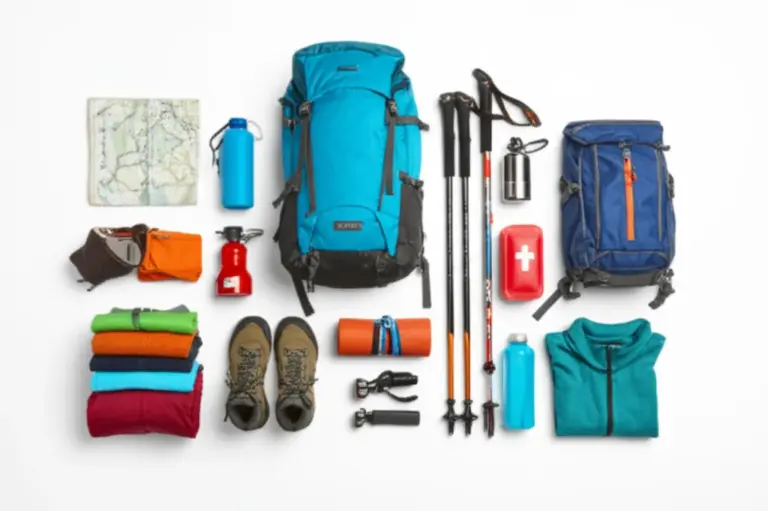
- High-Quality Trekking Boots: Must be waterproof, ankle-supporting, and well-broken-in. Blisters are the number one comfort issue on Rinjani.
- Hiking Socks (3-4 pairs): Wool or synthetic, thick for the summit, and thin for the lower slopes. Bring liner socks to prevent blisters.
- Camp Shoes/Sandals: Essential for relaxing tired feet at the campsite and visiting the hot springs.
Layering for Comfort and Survival
- Base Layers (Thermal): Long-sleeve top and bottom for sleeping and the summit push.
- Mid-Layer (Fleece/Down Jacket): A warm, packable fleece or lightweight down jacket for insulation at camp.
- Outer Shell (Waterproof/Windproof): A reliable jacket and trousers to protect against rain and the relentless wind at high altitudes.
- Warm Accessories: Beanie/Wool Hat, thick gloves (waterproof preferred), and a neck gaiter/buff.
- Daywear: Quick-dry t-shirts, trekking pants, and shorts for the initial jungle phase.
Even with a guide and porters, personal safety equipment is crucial. The trek is remote, and self-sufficiency is key. Reviewing this section of the Rinjani Trekkers Packing Checklist can save you in an emergency.
Hydration, Nutrition, and Sun Protection
The high altitude and physical exertion mean you will dehydrate quickly. While your tour operator provides meals, personal snacks are vital for instant energy boosts. Sun protection is critical as the UV index at this altitude is extremely high.
- Sunscreen (SPF 50+): Apply liberally and often.
- Lip Balm with SPF: Prevents cracked lips from the sun and wind.
- Sunglasses: Protect your eyes from the intense high-altitude glare.
- High-Energy Snacks: Energy bars, nuts, dried fruit, and chocolate for quick fuel.
- Personal Hygiene: Toiletries, hand sanitizer, wet wipes, and a small, quick-dry towel.
Visual Guide: What to Pack for Rinjani
To get a visual understanding of the terrain and the scale of the challenge, watch this detailed video which includes a comprehensive look at the gear needed for the 3D2N trek. This will solidify your own Rinjani Trekkers Packing Checklist and help you visualize what you’ll be carrying.
The Ultimate Rinjani Trekkers Packing Checklist Summary
คำถามที่พบบ่อย (FAQ)
References
- Mount Rinjani Trekking: a detailed vlog on 3D2N hike + what to pack
- Rinjani National Park Official Site
- CDC Information on Altitude Sickness