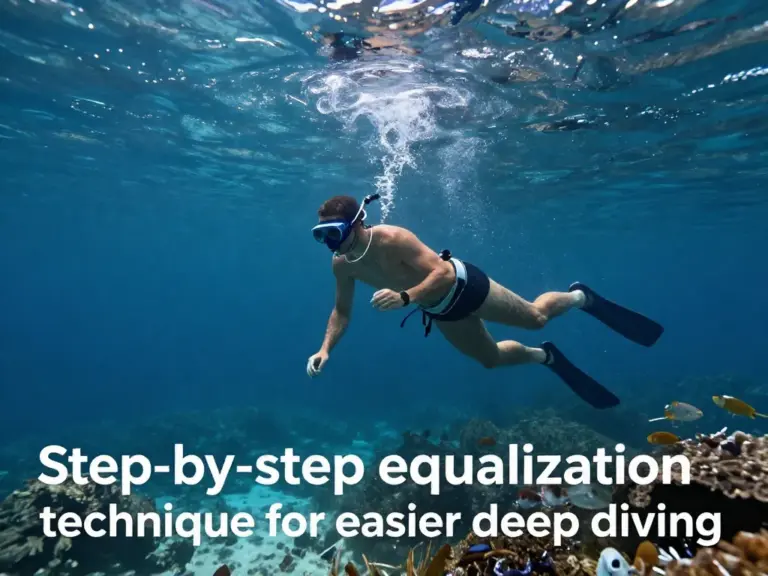
Step-by-Step Equalization Techniques for Deeper, Easier Dives
Mastering Step-by-Step Equalization Techniques for Deeper, Easier Dives is the single most important skill for any diver visiting the pristine waters of Indonesia. Whether you are exploring the vibrant coral reefs of Raja Ampat or the dramatic walls of Komodo, proper equalization ensures you can descend comfortably and safely. Many divers struggle with ear pain, but by learning the correct physiology and techniques, you can unlock a new world of underwater exploration.
Understanding the Basics of Equalization
Equalization is the process of adding air to the middle ear to balance the pressure against the water pressure pushing in on your eardrum. As you descend, the ambient pressure increases, compressing the air spaces in your body. Without adding air, this pressure creates a painful vacuum. Understanding this mechanism is the first step toward effortless diving.
The Valsalva Maneuver
The most common technique is the Valsalva maneuver. To perform this, pinch your nose gently, close your mouth, and blow softly through your nose. This forces air into the Eustachian tubes. It is highly effective for scuba divers, though it requires effort and can be tiring for freedivers.
The Frenzel Maneuver
Favored by freedivers, the Frenzel maneuver uses the tongue as a piston to compress air into the throat, rather than using the lungs. It is much more efficient and less stressful on the body. Practice this by pinching your nose and making a ‘K’ sound while blocking your throat.
Step-by-Step Guide to Equalizing Effectively
- Equalize Early and Often: Do not wait until you feel pressure. Equalize at the surface before you even submerge, and continue doing so every meter or two.
- Keep Your Head Upright: Looking down at your fins can stretch the Eustachian tubes, making them harder to open. Keep your head in a neutral, forward-looking position.
- Hydration is Key: Dehydration leads to thicker mucus, which can block your Eustachian tubes. Drink plenty of water before your dive trip in Indonesia.
- Stay Relaxed: Tension in the jaw and neck muscles can restrict the Eustachian tubes. Practice slow, deep breathing to keep your body relaxed.
| Technique | Best For | Difficulty |
|---|---|---|
| Valsalva | Scuba Beginners | Easy |
| Frenzel | Freedivers | Moderate |
| Toynbee | Troubleshooting | Easy |
Common Challenges and Solutions
Even experienced divers face equalization issues. If you find yourself “stuck,” try the Toynbee maneuver: pinch your nose and swallow. This pulls the Eustachian tubes open. Additionally, keeping your mask clear helps prevent sinus congestion, which is a major factor in equalization difficulties.
คำถามที่พบบ่อย (FAQ)
- Why does my ear hurt when I dive?
Ear pain usually occurs because you haven’t equalized frequently enough, allowing water pressure to push against your eardrum. - Can I dive if I have a cold?
No. Congestion from a cold or sinus infection makes equalization nearly impossible and puts you at a high risk of ear barotrauma. - How often should I equalize?
You should equalize at the surface before descending and then every 1-2 meters during your descent.