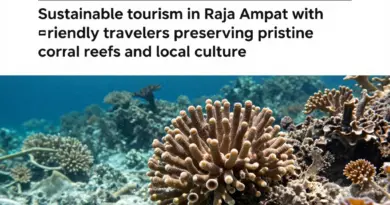
Sustainable Tourism in Bali: How to Leave a Positive Impact
- Sustainable Tourism in Bali: How to Leave a Positive Impact
- sustainable tourism in Bali: The Importance of Conscious Travel in Bali
- How to Minimize Your Environmental Footprint
- Supporting the Local Balinese Economy
- Respecting Balinese Culture and Traditions
- Sustainable Transportation Choices
- Checklist: Your Sustainable Bali Travel Plan
- Conclusion
- Frequently Asked Questions (FAQ)
Bali, often referred to as the Island of the Gods, faces significant environmental and cultural challenges due to its immense popularity. As travelers, we have a responsibility to ensure our presence contributes positively to this stunning destination. Practicing sustainable tourism in Bali is not just about avoiding plastic straws; it is about making intentional choices that support local livelihoods, preserve delicate ecosystems, and respect the profound cultural heritage of the Balinese people. By shifting our perspective from passive consumers to conscious visitors, we can help ensure that Bali remains vibrant for generations to come.
sustainable tourism in Bali: The Importance of Conscious Travel in Bali
Bali’s rapid tourism growth has brought economic prosperity but also put immense strain on its infrastructure. From waste management issues to water scarcity, the signs of over-tourism are visible. Sustainable tourism in Bali is essential to mitigate these impacts. When we choose eco-conscious accommodations or support local businesses, we directly influence the local economy’s ability to prioritize preservation over rapid, unchecked development. Every choice—from where you stay to how you move—acts as a vote for the kind of future you want to see in Indonesia.
How to Minimize Your Environmental Footprint
Minimizing your footprint is the first step toward responsible travel. Bali’s waste management system is evolving, but it is not yet equipped to handle the volume generated by millions of visitors. Taking personal responsibility for your waste is crucial.
Reduce Plastic Consumption
Avoid single-use plastics entirely. Carry a reusable water bottle and use refill stations, which are becoming common in cafes and hotels across Ubud, Canggu, and Uluwatu. Refuse plastic bags when shopping; bring a tote bag instead.
Choose Eco-Friendly Accommodation
Look for hotels or homestays that implement green practices. This includes solar energy usage, gray-water recycling systems, and plastic-free policies. Many boutique resorts in Bali are leading the way in regenerative tourism, often partnering with local NGOs to restore nearby beaches or coral reefs.
Supporting the Local Balinese Economy
Economic leakage is a common problem in tourism, where money spent by travelers often leaves the country through international hotel chains and tour operators. To practice sustainable tourism in Bali, ensure your spending stays within the community.
| Action | Impact |
|---|---|
| Eating at local ‘Warungs’ | Directly supports local families and keeps food miles low. |
| Hiring local guides | Ensures income stays in the community and provides authentic cultural context. |
| Buying handicrafts from village artisans | Preserves traditional arts and prevents mass-produced imports. |
| Staying in locally-owned villas | Keeps capital circulating within the Balinese economy. |
Respecting Balinese Culture and Traditions
Bali’s culture is its soul. Tourism should never come at the expense of religious or social norms. The Balinese people are incredibly welcoming, but they expect visitors to respect their sacred spaces and customs.
- Dress Modestly at Temples: Always cover your shoulders and knees when visiting temples. Renting a sarong is standard practice and helps support temple maintenance.
- Observe Rituals Quietly: If you encounter a ceremony, watch from a distance and do not obstruct the procession. Never use flash photography during prayer.
- Ask Before Photographing: Always ask for permission before taking photos of locals, especially during ceremonies or daily life.
- Respect Holy Sites: Certain areas of temples are restricted. Always follow signs and heed the advice of local guides.
Sustainable Transportation Choices
Traffic congestion is a major issue in Bali. Reducing your reliance on private cars can significantly lower your carbon footprint. Opt for walking, cycling, or using shared transport options whenever possible. If you must use a vehicle, consider renting an electric scooter if available, or sharing a ride to reduce the number of cars on the road. Remember that walking in smaller towns like Ubud allows you to experience the sights, smells, and sounds of the island in a way that is impossible from behind a car window.
Checklist: Your Sustainable Bali Travel Plan
- Pack Reusables: Bring a water bottle, bamboo cutlery, and a reusable shopping bag.
- Choose Conscious Stays: Research your accommodation’s sustainability policy before booking.
- Eat Local: Prioritize local warungs over international chain restaurants.
- Respect the Land: Never litter, and participate in beach clean-ups if you see them happening.
- Learn Basic Bahasa Indonesia: A few words go a long way in showing respect and building connections.
- Value the Culture: Dress respectfully at temples and honor local customs during ceremonies.
Conclusion
Sustainable tourism in Bali is not about perfection; it is about progress. By being mindful of your environmental impact, choosing to support local businesses, and respecting the island’s deep-rooted traditions, you transform your vacation into a force for good. Bali offers so much to those who visit with an open heart and a conscious mind. As you plan your trip, remember that your choices ripple outward, helping to protect the natural beauty and cultural integrity of this unique island for the people who call it home and for the travelers who will follow in your footsteps.
Frequently Asked Questions (FAQ)
What is the best way to avoid plastic in Bali?
Bring a high-quality reusable water bottle and use refill stations found at most cafes and hotels. Decline plastic straws, bags, and cutlery at every opportunity. Many eco-conscious cafes now offer bamboo or metal alternatives.
How can I support the local Balinese economy?
Eat at local warungs, hire local guides for tours, and purchase souvenirs directly from artisans in villages rather than at tourist-trap souvenir shops. This ensures your money goes directly to the people who create the services and products.
Is it okay to visit temples as a tourist?
Yes, visitors are welcome at most temples, provided they dress modestly (shoulders and knees covered) and follow the rules. Always be respectful, keep your voice down, and never interrupt ceremonies.
Why is sustainable tourism important for Bali?
Bali faces challenges with waste management, water usage, and cultural commodification. Sustainable tourism helps preserve the island’s natural environment and cultural heritage, ensuring that the local community benefits from tourism rather than suffering from its negative side effects.
What should I do if I see litter on the beach?
While you cannot clean the entire island, picking up a piece of litter and disposing of it properly is a small but meaningful act. Many local organizations hold regular beach clean-ups that you can join to make a bigger impact.
References
Wonderful Indonesia – Official Tourism Board
Bali Sustainable Tourism Initiatives