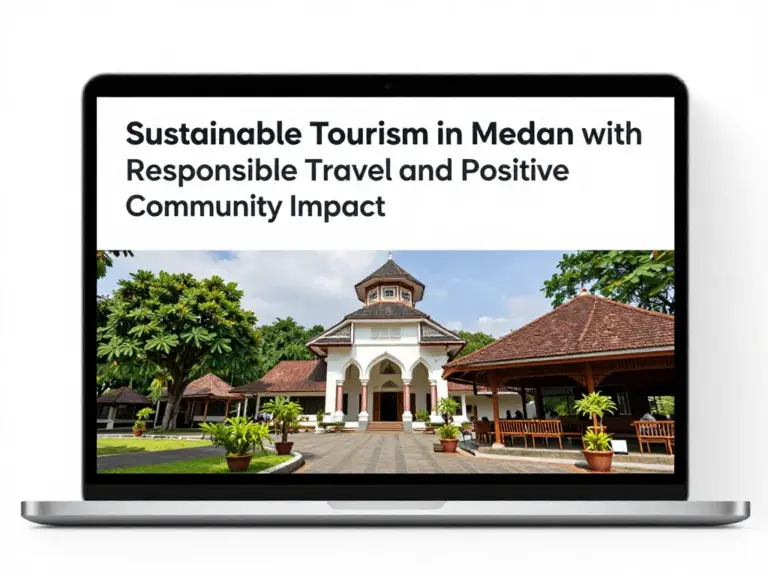
Sustainable Tourism in Medan: How to Travel Responsibly and Leave a Positive Impact
Medan, the bustling capital of North Sumatra, is a gateway to incredible natural wonders and vibrant cultural tapestries. However, as tourism grows, the need for Sustainable Tourism in Medan becomes increasingly critical. By making conscious choices, you can ensure that your visit contributes positively to the local economy and helps preserve the unique environment of Sumatra for future generations.
Understanding Sustainable Tourism in Medan
Sustainable tourism is not just about avoiding plastic straws; it is a holistic approach to travel that considers the long-term impact on the destination. In a city like Medan, where industrialization meets rich cultural heritage, your travel choices directly influence how resources are utilized and how local communities thrive. Prioritizing Sustainable Tourism in Medan means choosing local businesses, respecting regional customs, and minimizing your carbon footprint while navigating the city’s complex logistics.
How to Choose Responsible Accommodation
Where you stay is one of the most significant aspects of your environmental footprint. In Medan, look for properties that demonstrate a commitment to sustainability. This doesn’t just mean a ‘green’ policy on a website; look for concrete actions like energy-efficient lighting, waste reduction programs, and direct employment of local staff. Supporting locally-owned boutique hotels or guesthouses often keeps your tourism dollars circulating within the community rather than flowing to international conglomerates.
| Factor | Sustainable Choice | Avoid |
|---|---|---|
| Ownership | Locally-owned guesthouses/boutique hotels | Large, non-local corporate chains |
| Operations | Hotels with water-saving and recycling protocols | Hotels with excessive single-use plastics |
| Community | Properties that hire and train local staff | Properties relying solely on imported management |
Supporting the Local Economy
One of the pillars of Sustainable Tourism in Medan is economic empowerment. When you visit local markets, such as Pasar Ikan Lama or the various street food hubs, buy directly from vendors. Avoid haggling aggressively on small items; a few thousand rupiahs might be negligible to you but significant to a local family. Opt for guided tours led by certified local guides who provide authentic context about Batak culture or Medan’s colonial history, rather than generic tours that commodify local traditions.
Minimizing Environmental Impact
Medan faces waste management challenges common to many rapidly developing cities. As a responsible traveler, you must take proactive steps to reduce your environmental impact. Carry a reusable water bottle and use refill stations wherever possible. Avoid single-use plastics, which are pervasive in Southeast Asia. When visiting natural sites surrounding Medan, such as the outskirts leading toward Lake Toba or Bukit Lawang, follow the ‘Leave No Trace’ principles strictly.
- Bring a reusable water bottle and a high-quality water filter/purifier.
- Carry a reusable shopping bag to avoid plastic bags at markets.
- Use public transport or ride-hailing apps (like Gojek or Grab) instead of private car rentals to reduce emissions.
- Respect local religious customs, especially when visiting mosques or temples.
- Support local artisans by buying authentic handicrafts instead of mass-produced souvenirs.
Cultural Sensitivity and Respect
Medan is a melting pot of ethnicities, including Batak, Malay, Chinese, and Indian communities. Cultural respect is a vital component of sustainable travel. Dress modestly, especially when entering religious sites like the Great Mosque of Medan (Masjid Raya Al-Mashun). Ask for permission before taking photographs of people, particularly in traditional villages. Engaging with locals with genuine curiosity rather than treating them as scenery creates a more meaningful travel experience for both parties.
Frequently Asked Questions (FAQ)
A: No, tap water in Medan is not potable. To practice sustainable travel, avoid buying bottled water. Instead, use a filtered water bottle or refill your bottle at hotels that offer clean water stations.
A: Look for guides certified by the Association of the Indonesian Tours and Travel Agencies (ASITA) or those recommended by reputable, community-focused travel blogs and eco-tourism platforms.
A: Using ride-hailing apps like Grab or Gojek is highly efficient and reduces the need for multiple private taxis. For shorter distances, walking allows you to engage more deeply with the city’s street life.