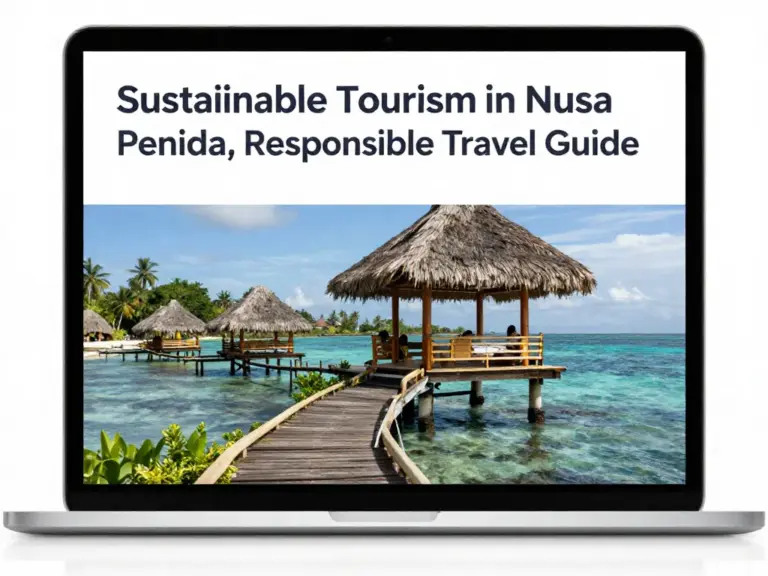
Sustainable Tourism in Nusa Penida: A Practical Guide to Traveling Responsibly
- Sustainable Tourism in Nusa Penida: A Practical Guide to Traveling Responsibly
- sustainable tourism in Nusa Penida: Understanding the Impact of Tourism on Nusa Penida
- How to Travel Responsibly in Nusa Penida
- Comparison: Typical vs. Sustainable Travel Behaviors
- Checklist for a Responsible Nusa Penida Trip
- Addressing Infrastructure and Water Usage
- Conclusion
- Frequently Asked Questions (FAQ)
Nusa Penida has rapidly transformed from a quiet, rugged island off the coast of Bali into one of Indonesia’s most sought-after travel destinations. While its dramatic cliffs, pristine beaches, and manta ray encounters are breathtaking, this surge in popularity has placed immense pressure on the island’s infrastructure and ecosystem. Practicing sustainable tourism in Nusa Penida is no longer just an ethical choice; it is essential for preserving the island’s natural beauty and supporting the local community for generations to come.
sustainable tourism in Nusa Penida: Understanding the Impact of Tourism on Nusa Penida
The rapid influx of visitors has created significant challenges, including waste management issues, water scarcity, and stress on marine biodiversity. As travelers, being aware of these impacts allows us to adjust our behaviors and minimize our footprint. Responsible travel isn’t about avoiding the destination, but rather engaging with it in a way that prioritizes environmental health and social equity.
How to Travel Responsibly in Nusa Penida
Traveling sustainably requires intention. From the moment you step off the fast boat, your decisions influence the island’s future. Here are practical strategies to ensure your visit contributes positively.
1. Reduce Single-Use Plastics
Nusa Penida lacks large-scale waste processing facilities, making plastic waste a critical concern. Bringing a reusable water bottle is the single most effective step you can take. Many guesthouses and cafes now offer refill stations. By refusing plastic straws, bags, and bottles, you directly reduce the amount of waste that ends up in local landfills or the ocean.
2. Protect Marine Life
The waters surrounding Nusa Penida are home to Manta Rays and vibrant coral reefs. When snorkeling or diving, always maintain a respectful distance from marine animals. Never touch or feed them, as this disrupts their natural behavior. Furthermore, ensure you use reef-safe sunscreen, as standard chemical-laden sunscreens can cause coral bleaching and harm delicate marine ecosystems.
3. Support the Local Economy
Choose locally-owned guesthouses, homestays, and restaurants rather than large international chains. When you spend money at local businesses, you ensure the economic benefits of tourism remain within the community. Hiring local guides for tours not only provides you with authentic cultural insights but also creates sustainable livelihoods for residents.
Comparison: Typical vs. Sustainable Travel Behaviors
| Behavior | Typical Tourist | Sustainable Traveler |
|---|---|---|
| Water Consumption | Buys plastic bottles daily | Uses a reusable bottle/refill station |
| Transportation | Rent cars for solo travel | Uses shared transport or local drivers |
| Marine Interaction | Touches/chases manta rays | Observes from a distance, no-touch policy |
| Accommodation | Large resorts/foreign-owned hotels | Locally-owned homestays/eco-lodges |
Checklist for a Responsible Nusa Penida Trip
- Pack light: Less luggage means less fuel consumption during transport.
- Refillable water bottle: Always carry one and look for refill spots.
- Reef-safe sunscreen: Check labels to ensure no oxybenzone or octinoxate.
- Respect customs: Dress modestly when visiting temples and public areas.
- Proper waste disposal: If a bin is full or unavailable, carry your trash back to your accommodation.
- Hire local: Book tours directly with local operators.
Addressing Infrastructure and Water Usage
Water scarcity is a genuine challenge on the island. While it is tempting to take long, luxurious showers after a hot day of exploring, being mindful of water usage is a crucial part of sustainable tourism in Nusa Penida. Keep showers brief and turn off the tap while brushing your teeth. Choosing accommodation that practices water conservation—such as those using rainwater harvesting or greywater recycling—is another excellent way to vote with your wallet.
Conclusion
Nusa Penida is a stunning testament to the power of nature, but its fragility demands our care. By making small adjustments—reducing plastic, respecting marine life, and supporting local businesses—we can help ensure that this island remains a paradise for future generations. Responsible travel is not a burden; it is a way to deepen your connection to the places you visit.
Frequently Asked Questions (FAQ)
Yes, provided you are mindful of your surroundings and respect local norms. The island is evolving, and many local businesses are becoming increasingly aware of sustainability issues.
It is best to bring your own from home to ensure the ingredients are genuinely reef-safe. Look for mineral-based sunscreens containing zinc oxide or titanium dioxide.
You can ask your guesthouse host for recommendations. They usually have connections to reputable, locally-run tour operators who know the best spots and prioritize safety.