What Sustainable Travel Means in Indonesia and Why It Matters
Traveling through the sprawling archipelago of Indonesia is a bucket-list experience for millions, but with great beauty comes a responsibility to protect it. Understanding what sustainable travel means in Indonesia is no longer just a trend; it is a critical necessity for preserving the nation’s unparalleled biodiversity, rich cultural heritage, and the livelihoods of its local communities. As tourism rebounds, shifting our perspective from passive sightseeing to active stewardship is essential.
The Core Principles of Sustainable Travel in Indonesia
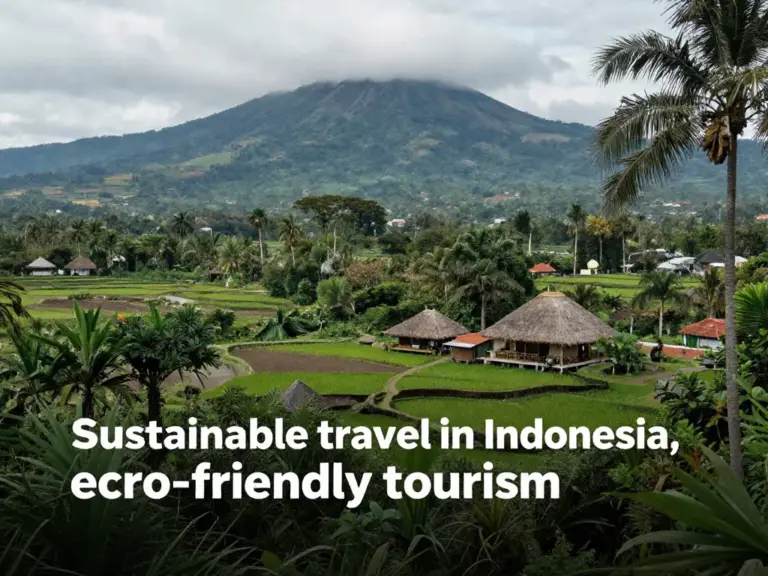
At its heart, sustainable tourism is about minimizing your footprint while maximizing your positive impact. In the context of Indonesia, this involves several key practices. It means choosing accommodations that prioritize waste management and energy efficiency, such as eco-lodges in Bali or Sumba that use solar power and strictly limit plastic use. Furthermore, it involves respecting local customs, supporting indigenous economies by purchasing local handicrafts, and choosing transport methods that reduce carbon emissions.
Why Sustainable Practices Matter for the Archipelago
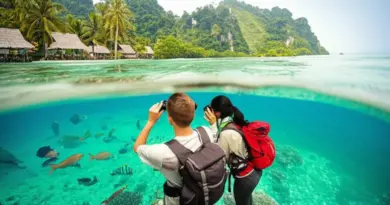
Indonesia is home to some of the world’s most fragile ecosystems, from the coral reefs of Raja Ampat to the rainforests of Sumatra. The influx of mass tourism poses significant threats, including plastic pollution, habitat destruction, and the erosion of cultural traditions. When we ask what sustainable travel means in Indonesia, we are addressing the survival of these environments. Protecting these areas ensures that future generations can witness the majesty of Komodo dragons, the vibrancy of coral colonies, and the depth of Javanese and Balinese heritage.
How to Be a Responsible Traveler in Indonesia
- Minimize Single-Use Plastics: Carry a reusable water bottle and bring a cloth bag. Indonesia has made significant strides in banning single-use plastics in some regions; support these efforts.
- Respect Wildlife: Avoid animal tourism attractions that exploit creatures for photos. Observe wildlife in their natural habitats with certified, ethical guides.
- Support Local Economies: Eat at local warungs, hire local guides, and buy souvenirs directly from artisans rather than mass-produced imports.
คำถามที่พบบ่อย (FAQ)
Here are common questions regarding responsible tourism practices in Indonesia.
Yes, especially in tourism hubs like Bali and Lombok. Look for certifications like EarthCheck or Green Globe, or search for ‘eco-resorts’ that emphasize conservation, waste reduction, and community support.
Bring a high-quality water filtration bottle to avoid buying plastic bottles. Many hotels now offer refill stations. Refuse plastic straws and bags whenever possible.
Absolutely not. Many of Indonesia’s most sustainable accommodations are luxury eco-resorts that provide high-end comfort while operating with a minimal environmental footprint through renewable energy and organic farming.