Days 5–7: Yogyakarta cultural immersion — Borobudur and Prambanan logistics, city walking tours, local cuisine, transport between Bali and Yogyakarta and suggested accommodations
- Days 5–7: Yogyakarta cultural immersion — Borobudur and Prambanan logistics, city walking tours, local cuisine, transport between Bali and Yogyakarta and suggested accommodations
- Seamless Travel: Transport Between Bali and Yogyakarta
- Suggested Accommodations in Yogyakarta
- Days 5-7 Itinerary: Yogyakarta Cultural Immersion
- Local Cuisine: A Gastronomic Journey
- Practical Tips for Your Yogyakarta Immersion
- คำถามที่พบบ่อย (FAQ)
- What is the best way to get from Bali to Yogyakarta?
- Do I need to book Borobudur sunrise tours in advance?
- What is the local currency in Yogyakarta and can I use credit cards?
- What food should I definitely try in Yogyakarta?
After the sun-kissed beaches and vibrant energy of Bali, prepare for a profound Yogyakarta cultural immersion that promises to enrich your Indonesian adventure. Days 5 to 7 of your itinerary are perfectly dedicated to exploring the historical heart of Java, home to ancient wonders, bustling markets, and a culinary scene that tantalizes the taste buds. This guide will walk you through the essential logistics for visiting Borobudur and Prambanan, navigating city walking tours, indulging in local cuisine, arranging transport between Bali and Yogyakarta, and finding the perfect accommodation for your stay.
Seamless Travel: Transport Between Bali and Yogyakarta
Transitioning from Bali to Yogyakarta is straightforward, with several options catering to different budgets and travel styles. The most efficient and recommended method is by air.
By Air: The Fastest Route
Direct flights from Denpasar (DPS) to Yogyakarta’s Adisutjipto International Airport (JOG) or Yogyakarta International Airport (YIA) take approximately 1 to 1.5 hours. Airlines such as Garuda Indonesia, AirAsia, Lion Air, and Citilink operate this route frequently. Booking in advance, especially during peak season, is advisable for better prices and availability. Upon arrival at YIA (the newer, larger airport), you can take the airport train directly to Yogyakarta Tugu Station in the city center, or use taxis/ride-hailing services. [4, 5, 7]
Overland: An Adventurous Journey
For those with more time and a desire for an immersive journey, an overland trip combining bus, ferry, and train is an option. This route involves taking a bus from Bali to Gilimanuk, a ferry to Ketapang (East Java), and then a train from Banyuwangi to Yogyakarta. This can take 16-24 hours but offers a unique perspective of Java’s landscapes. [3, 6]
Suggested Accommodations in Yogyakarta
Yogyakarta offers a range of accommodations to suit every budget and preference. Consider staying in areas that provide easy access to attractions and a vibrant atmosphere.
- Malioboro Street Area: Ideal for first-timers, offering proximity to shopping, street food, and cultural performances.
- Prawirotaman/Sosrowijayan: Popular backpacker and budget-friendly areas with guesthouses, cafes, and easy access to local tour operators.
- Luxury Hotels: Several international hotel chains are located closer to the city center or on the outskirts, offering high-end amenities and comfort.
Days 5-7 Itinerary: Yogyakarta Cultural Immersion
Day 5: Arrival & City Exploration
- Morning/Afternoon: Arrive in Yogyakarta, check into your accommodation, and settle in.
- Late Afternoon: Begin your city walking tour with a visit to the Kraton (Sultan’s Palace). Explore the traditional Javanese architecture and learn about the Sultanate’s history and ongoing cultural role.
- Evening: Wander through the lively Malioboro Street. This iconic street is perfect for souvenir shopping, trying street food from countless vendors, and soaking in the local atmosphere. Don’t miss a chance to ride a traditional becak (pedicab).
Day 6: Borobudur Sunrise & Local Delights
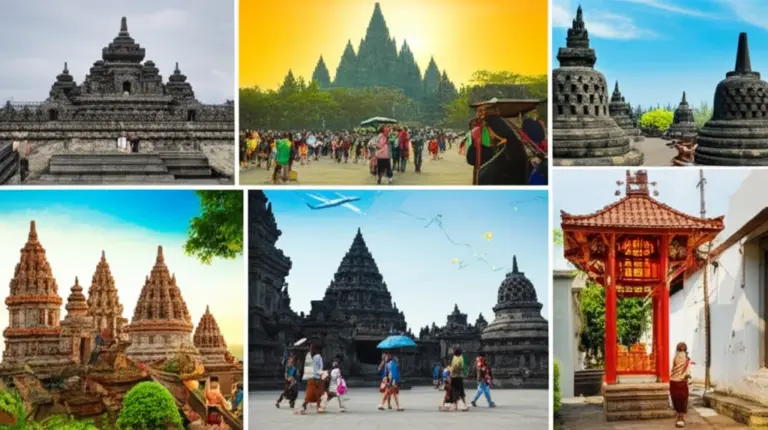
Dedicate your second day to the majestic Borobudur Temple, the largest Buddhist monument in the world.
- Early Morning: Arrange for a sunrise tour to Borobudur. Witnessing the sunrise over the temple with the mist-shrouded landscape and volcanoes in the background is a truly magical experience. Book this in advance through your hotel or a local tour operator.
- Morning: Explore Borobudur in detail. Take your time to ascend its nine platforms, admiring the intricate relief carvings depicting Buddhist cosmology and the serene Buddha statues within their stupas. Consider hiring a local guide for deeper insights. [9]
- Afternoon: Return to Yogyakarta. Enjoy a traditional Javanese lunch. You might also visit nearby smaller temples like Candi Mendut and Candi Pawon, which are part of the Borobudur complex.
- Evening: Take a cooking class to learn about Javanese cuisine, or explore more local eateries.
Here’s a video that can help you explore Yogyakarta and its temples:
Day 7: Prambanan & Cultural Immersion Continues
Your final full day in Yogyakarta is dedicated to the magnificent Prambanan Temple complex and further cultural exploration.
- Morning: Head to Prambanan Temple, the largest Hindu temple complex in Indonesia. Explore the towering shrines dedicated to the Hindu trinity (Brahma, Vishnu, and Shiva) and learn about the Ramayana epic depicted in its reliefs. Don’t miss Candi Sewu, a beautiful Buddhist temple within the larger Prambanan archaeological park. [9]
- Afternoon: Visit the Taman Sari (Water Castle), a former royal garden and bathing complex of the Sultanate. Its hidden passages and unique architecture make for an intriguing exploration. Afterwards, explore the surrounding local neighborhoods, known for batik workshops and silver craftsmanship.
- Evening: Enjoy a farewell dinner with authentic Javanese cuisine. Consider catching a Ramayana Ballet performance near Prambanan Temple (seasonal) for a truly immersive cultural experience.
Local Cuisine: A Gastronomic Journey
Yogyakarta’s culinary scene is a highlight of any visit. Be sure to try these local specialties:
Practical Tips for Your Yogyakarta Immersion
- Transportation within Yogyakarta: Besides walking, use ride-hailing apps like Gojek or Grab for motorbikes and cars, or hire a private driver for convenience when visiting temples outside the city.
- Temple Tickets: Purchase tickets directly at the temple entrances. Some offer combined tickets for Borobudur and Prambanan, which can save money.
- Dress Code: When visiting temples, dress modestly, covering your shoulders and knees. Sarongs are often available for rent or purchase at the entrance.
- Language: Indonesian is the official language. Learning a few basic phrases like ‘Terima kasih’ (thank you) can go a long way. English is generally understood in tourist areas.
- Currency: Indonesian Rupiah (IDR). ATMs are widely available.
Your Yogyakarta cultural immersion for Days 5-7 will be a journey through ancient history, vibrant traditions, and delicious flavors, providing a perfect contrast to Bali’s coastal charm. Prepare to be captivated by the warmth of Javanese hospitality and the spiritual grandeur of its UNESCO World Heritage sites.
คำถามที่พบบ่อย (FAQ)
References
- Rome2Rio – Bali to Yogyakarta travel guide.
- Bali Java Holidays – The Best Transportation Option for Traveling from Bali to Yogyakarta.
- YKExplore – Yogyakarta from Bali: How to Get There and Flight Schedule.
- Villa Carissa Bali – From Bali to Yogyakarta | Complete Guide to Visit Central Java.
- Borobudur Sunrise Tour – How to go from Bali to Yogyakarta by Flight, Bus and Train.
- YouTube – Exploring Yogyakarta: Your Travel Guide to Borobudur and Prambanan.
- 10-Day Indonesia Highlights Itinerary: Bali, Yogyakarta & Komodo — Ultimate Day-by-Day Guide for First-Time Travelers
- Why this 10-day route works: overview of Bali, Yogyakarta and Komodo highlights, best time to go, how to balance culture, beaches and wildlife for an efficient itinerary
- Days 1–4: Bali essentials — top attractions, recommended neighborhoods (Ubud, Seminyak, Canggu), sample day plans, transport and where to stay for first-time visitors