Top activities and highlights: Trekking to see Komodo dragons, snorkeling and diving spots, Rinca, Pink Beach, and wildlife watching
- Top activities and highlights: Trekking to see Komodo dragons, snorkeling and diving spots, Rinca, Pink Beach, and wildlife watching
Nestled in the Lesser Sunda Islands of Indonesia, Komodo National Park stands as a testament to nature’s raw beauty and unique biodiversity. A UNESCO World Heritage Site and one of the New7Wonders of Nature, this captivating destination offers an unparalleled array of Komodo National Park activities. From encountering the legendary Komodo dragons in their natural habitat to exploring vibrant underwater worlds and breathtaking landscapes, a journey here promises an unforgettable adventure for any traveler seeking the extraordinary. This guide delves into the top experiences that make Komodo National Park a must-visit for Indonesia tourism. [28, 29, 30]
Discover the Legendary Komodo Dragons: Trekking on Komodo and Rinca
The primary draw for many visitors to Komodo National Park is undoubtedly the chance to witness the formidable Komodo dragon (Varanus komodoensis), the largest living lizard on Earth. These apex predators, reaching up to 3 meters (9.8 ft) long and weighing over 70 kg, are found nowhere else in the world. [11, 22, 27, 29]
Komodo Island: The Dragon’s Domain
Komodo Island is one of the main islands within the park where these magnificent reptiles roam freely. Guided treks, always accompanied by park rangers for safety, offer the opportunity to observe dragons basking in the sun, patrolling their territory, or even hunting. Rangers provide invaluable insights into their behavior, diet, and the critical role they play in the ecosystem. [22, 25, 28, 31]
Rinca Island: A Closer Encounter
Often considered a better location for guaranteed Komodo dragon sightings due to its more concentrated population and accessible trails, Rinca Island provides a more intimate trekking experience. [11, 13, 26] The island’s terrain, a mix of dense forest and savanna fields, also hosts other wildlife such as Timor deer (a primary prey for dragons), wild pigs, and water buffalos, adding to the thrill of the trek. [11, 13, 27, 31] Safety is paramount; visitors are advised to maintain a safe distance and strictly follow ranger instructions, avoiding sudden movements or attempts to feed the animals. [31]
Underwater Paradises: Snorkeling and Diving Adventures
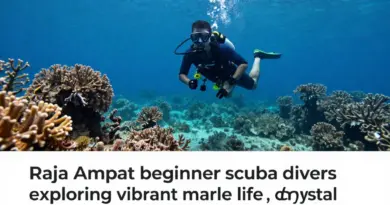
Komodo National Park is not just about its land-dwelling giants; it’s also a world-class marine destination, part of the Coral Triangle, boasting one of the most biodiverse marine ecosystems on Earth. [8, 27, 29, 30] The crystal-clear waters teem with vibrant coral reefs, over 1,000 species of fish, and a rich variety of pelagic life, making it a diver’s and snorkeler’s dream. [27, 30]
Manta Point: Dance with Giants
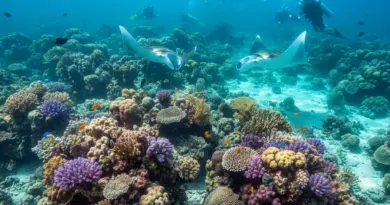
One of the most sought-after experiences is swimming with majestic manta rays at Manta Point. These gentle giants, with wingspans up to 7 meters, can be seen year-round, though sightings are more frequent during the rainy season. [9, 19] Snorkeling or diving alongside these magnificent creatures in their natural habitat is an awe-inspiring experience. [16, 19]
Pink Beach: A Unique Shoreline and Reef
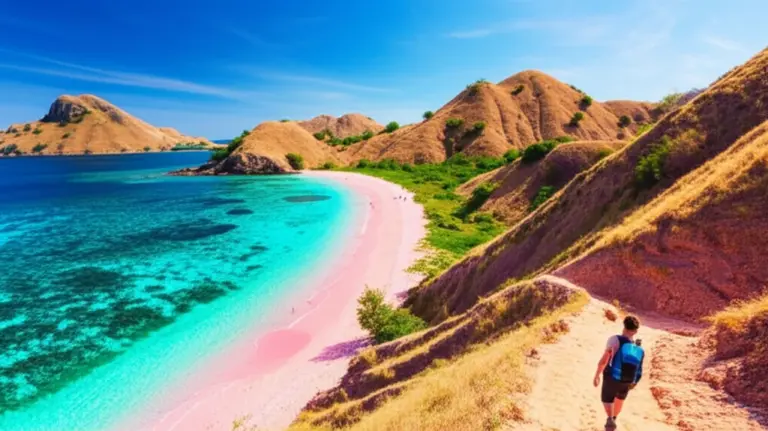
Komodo’s Pink Beach, or Pantai Merah, is one of only a few in the world. Its unique hue comes from microscopic red coral fragments mixing with white sand. [5, 8, 23] Beyond its stunning appearance, Pink Beach offers excellent snorkeling just meters from the shore, revealing healthy coral reefs and an abundance of marine life, including clownfish and various tropical fish. [5, 8, 14, 18]
Other Must-Visit Dive Sites
The park boasts numerous world-class dive sites catering to all levels. Batu Bolong is renowned for its strong currents and an ‘underwater aquarium’ of marine life, including sharks, rays, and schools of fish. [9, 20, 21, 24] Other notable sites include Castle Rock, Crystal Rock, Tatawa Besar, Siaba Kecil, and The Cauldron, each offering unique underwater landscapes and diverse marine encounters. [9, 10, 15, 21]
Beyond the Dragons: Iconic Landscapes and Wildlife Watching
Komodo National Park’s allure extends beyond its famous reptiles and vibrant underwater world. The rugged, volcanic islands offer dramatic landscapes and opportunities for diverse wildlife observation. [25, 29]
Padar Island: Panoramic Vistas
A hike to the summit of Padar Island is a quintessential Komodo experience. The challenging trek is rewarded with breathtaking panoramic views of three distinct bays, each with a different colored beach – white, black, and the famous pink – creating a mesmerizing natural spectacle. [16, 19, 24, 25, 27]
Kalong Island: Bat Spectacle at Sunset
As dusk settles, a visit to Kalong Island offers a unique wildlife spectacle. Thousands of large fruit bats, or flying foxes, emerge from the mangrove forests, creating a stunning silhouette against the setting sun as they head out for their nightly foraging. [24, 16]
Rich Terrestrial Wildlife
Beyond the dragons, the park is home to a variety of terrestrial species. Keep an eye out for Timor deer, wild horses, water buffalo, monkeys, and numerous bird species, including the orange-footed scrub fowl. [2, 11, 22, 27, 30, 31]
Planning Your Unforgettable Komodo Adventure
To make the most of your Komodo National Park activities, a bit of planning goes a long way.
Best Time to Visit
The dry season, from April to October/November, is generally considered the best time to visit. During this period, the weather is sunny with minimal rainfall, seas are calm, and visibility for diving and snorkeling is excellent. [3, 4, 7, 17, 18, 28] Komodo dragons are also more active and easily spotted. [17, 28] For fewer crowds, consider the shoulder seasons (April-June or September-November). [12, 17, 28]
Getting There and Around
The main gateway to Komodo National Park is Labuan Bajo, a charming coastal town on Flores Island. [14, 16, 28] From Labuan Bajo, numerous tour operators offer multi-day boat trips or day tours that cover the park’s highlights, including Komodo Island, Rinca, Padar, and various snorkeling and diving spots. [14, 16, 24, 28]
Responsible Tourism Practices
As a protected area, responsible tourism is crucial. Always follow park regulations, respect wildlife by maintaining distance and not feeding them, and support local initiatives. Proper waste disposal is essential to preserve this pristine environment. [2, 31]
Visual Journey Through Komodo National Park
Experience the wonders of Komodo National Park through this immersive travel vlog, showcasing its iconic landscapes and wildlife.
คำถามที่พบบ่อย (FAQ)
Komodo National Park truly offers a comprehensive adventure, blending thrilling wildlife encounters with serene natural beauty, both above and below the water. Its status as a global biodiversity hotspot ensures that every visit is filled with wonder and discovery.
References
- Komodo Island Tour – Wildlife and Bird Watching
- Adventure Indonesia – Best Time to Visit Komodo Island
- The Broke Backpacker – Best Time to Visit Komodo Island
- Snorkelverse – Pink Beach Komodo Islands
- Love Hard Travel Often – Things To Do in Komodo National Park
- Pacific High Cruises – Best Time Visit Komodo
- Splendour Charters – Snorkeling at Pink Beach
- Komodo Island Tour – Top 10 Scuba Diving Locations
- Neptune Scuba Diving – Komodo Diving
- Wikipedia – Rinca
- Responsible Travel – Best time to visit Komodo
- Komodo Island Tour – Rinca Island
- We Seek Travel – Pink Beach Komodo Island
- Dragon Dive Komodo – Dive Sites
- Salt in our Hair – Things To Do in Komodo, Flores
- Boatique Charters – Best Time to Visit Komodo National Park
- Samara Liveaboard – Exploring the Marine Life of Pink Beach Komodo
- TourTeller Blog – 10 Best Things To Do in Komodo National Park
- Dive Komodo – Dive Sites
- Dragon Dive Blog – TOP 10 BEST DIVE SITES OF KOMODO
- Coordinotes – 8 Incredible Things to Do in Komodo, Flores
- Komodo Yacht – How to Explore Pink Beach Komodo
- Manta Rhei Dive Center – Best Things to Do and See in Komodo National Park
- The Adventure Collective – Wildlife Wonders of Komodo
- Aqua Expeditions – Exploring Rinca Island
- Lombok Agent – What Can See On The Komodo Island Tour
- Komodo Resort – Komodo Dragon Tours
- Wikipedia – Komodo National Park
- Komodo National Park Official Website
- Komodo Island Tour – How to Interact with Wildlife
- YouTube – THE ULTIMATE KOMODO NATIONAL PARK TRAVEL VLOG
- Komodo Island: The Complete Guide to Indonesia’s Dragons, Marine Parks, and How to Plan an Unforgettable Visit
- Why visit Komodo Island? Understanding the dragons, UNESCO status, biodiversity, and best times to go
- Getting there and getting around: Transportation options, permits, guided tours, and eco-friendly travel tips