How Indonesia’s transport landscape works — regions, modes, costs, and safety tips for planning your trip
- How Indonesia’s transport landscape works — regions, modes, costs, and safety tips for planning your trip
Indonesia, an archipelago of over 17,000 islands, presents a unique and diverse transport landscape. For anyone planning a trip, understanding how to navigate this vast and vibrant nation is crucial. This comprehensive Indonesia transport guide will delve into the various regions, modes of transportation available, associated costs, and vital safety tips to ensure a smooth and memorable journey across this incredible country. From bustling metropolises to remote island havens, getting around Indonesia is an adventure in itself, offering a blend of modern convenience and traditional charm.
Indonesia’s sheer size and geographical spread mean that no single mode of transport dominates. Instead, travelers often combine various options to traverse islands, cities, and rural areas. The infrastructure varies significantly from the highly developed networks of Java and Bali to the more rudimentary systems found in remote eastern regions. Whether you’re a backpacker on a budget or a luxury traveler seeking comfort, there’s a transport solution for every itinerary. Our aim is to demystify this complex system, providing practical insights for your adventure.
Key Transport Modes Across Indonesia
The array of transportation options in Indonesia is as diverse as its culture. Here’s a breakdown of the most common modes you’ll encounter:
Air Travel: Connecting the Islands
Given the vast distances between islands, air travel is often the quickest and most efficient way to get around. Major domestic airlines like Garuda Indonesia, Lion Air, Batik Air, and Citilink offer extensive networks connecting major cities and popular tourist destinations such as Jakarta, Bali, Yogyakarta, Surabaya, Medan, and Makassar. Booking in advance, especially during peak seasons, is highly recommended to secure better fares. Many domestic flights operate from large international airports, making connections relatively seamless.
Sea Travel: The Lifeline of the Archipelago
For inter-island travel, especially to smaller, less accessible islands, sea transport is indispensable. Ferries, fast boats, and even traditional wooden boats (pinisi) are common. PELNI, the national shipping company, operates large passenger ferries on extensive routes, offering an authentic but often slower travel experience. For popular routes like Bali to Lombok or the Gili Islands, numerous private fast boat operators provide quicker, albeit sometimes pricier, services. Always check the safety records and reviews of private operators before booking.
On the larger islands like Java and Sumatra, land transport forms the backbone of domestic travel.
- Trains: Java boasts a relatively modern and comfortable railway network, connecting major cities like Jakarta, Bandung, Yogyakarta, and Surabaya. Train travel offers scenic views and is generally more reliable than buses for long distances. Tickets can be booked online via platforms like Tiket.com or at train stations.
- Buses: An extensive bus network covers most regions, ranging from basic economy buses to more comfortable executive and VIP services. While affordable, bus journeys can be long, subject to traffic, and less comfortable than trains. Local public transport also includes angkot (minivans) and bemo (small buses) for shorter distances.
- Ride-hailing Apps: Grab and Gojek are ubiquitous in urban areas across Indonesia. These super-apps offer convenient and affordable services for car rides, motorcycle taxis (ojek), food delivery, and more. They are highly recommended for local transport due to transparent pricing and ease of use.
- Taxis: Reputable taxi companies like Blue Bird Group are available in major cities. Always ensure the meter is used, or agree on a fare beforehand.
- Car & Motorcycle Rental: For independent exploration, cars with drivers can be rented, or for the more adventurous, motorcycles are widely available for rent, especially in tourist hubs like Bali. Always wear a helmet and ensure you have the appropriate international driving permit.
Regional Transport Nuances
The transport experience can differ greatly depending on where you are in Indonesia:
Java & Bali: Developed Networks
These islands boast the most developed transport infrastructure. Java has the best train network, efficient toll roads, and widespread availability of ride-hailing services. Bali, while not having trains, has excellent road networks, and Gojek/Grab are the preferred modes of short-distance travel for tourists, alongside scooter rentals. Traffic congestion, however, can be a significant issue in urban centers like Jakarta and Denpasar.
Sumatra & Kalimantan: Expanding Infrastructure
These larger islands rely heavily on intercity buses and, to a lesser extent, some railway lines in specific regions (e.g., North Sumatra). River transport is crucial in Kalimantan’s interior. Infrastructure is continually improving, but journeys can be longer and less predictable than in Java.
Eastern Indonesia: Sea & Air Dominance
Islands like Sulawesi, Nusa Tenggara (Lombok, Flores, Sumba), Maluku, and Papua largely depend on flights and ferries for connectivity. Road networks are less extensive, and public transport options can be limited outside major towns. Planning ahead for these regions is essential due to less frequent schedules.
Understanding Transport Costs in Indonesia
Indonesia generally offers very affordable transportation, especially compared to Western countries. Prices can vary significantly based on the mode, distance, and level of comfort. Here’s a general overview:
| Mode of Transport | Typical Cost (Approximate) | Notes |
|---|---|---|
| Domestic Flights | IDR 400,000 – 1,500,000+ (approx. $25 – $100+) | Varies widely by distance, airline, and booking time. |
| Inter-island Ferries | IDR 20,000 – 100,000 (approx. $1.5 – $7) | Very affordable, but slow. Fast boats are more expensive. |
| Train (Java) | IDR 80,000 – 400,000 (approx. $5 – $27) | Economy to executive class, per long-distance journey. |
| Ride-hailing (Gojek/Grab) | IDR 10,000 – 50,000 (approx. $0.7 – $3.5) | For short to medium distances in urban areas. Very cost-effective. |
| Motorcycle Rental | IDR 60,000 – 100,000 per day (approx. $4 – $7) | Plus fuel. Common in Bali and other tourist spots. |
| Taxi (metered) | Starting fare IDR 7,000 – 10,000 (approx. $0.5 – $0.7) | Plus per-kilometer charge. Blue Bird is reliable. |
It’s always advisable to carry some local currency (Indonesian Rupiah – IDR) for smaller transactions, though many larger establishments and ride-hailing apps accept card payments or offer digital wallet options.
Essential Safety Tips for Travelers
While Indonesia is generally safe for tourists, being mindful of transport-related safety can enhance your experience:
- Research and Book Reputable Services: Especially for fast boats and long-distance buses, choose well-reviewed operators.
- Motorcycle Safety: Always wear a helmet. If renting, ensure the bike is in good condition and your travel insurance covers motorcycle accidents. Be aware of local traffic conditions, which can be chaotic.
- Secure Belongings: Keep an eye on your luggage, especially on public transport. Use secure bags and locks.
- Bargaining (where applicable): For non-metered taxis or local transport like ojek (motorcycle taxis not via apps), agree on the fare before starting the journey.
- Weather Considerations: During the wet season (roughly October to April), heavy rains can cause delays, especially for flights and sea travel.
- Travel Insurance: Always have comprehensive travel insurance that covers medical emergencies, trip cancellations, and transport-related incidents.
Planning Your Indonesian Journey: A Seamless Experience
For a truly immersive experience, consider combining different transport modes. For instance, fly into Jakarta, take a train across Java, then a fast boat to Bali, and finally a domestic flight to explore Lombok or Flores. Flexibility is key, especially when traveling to more remote areas. Utilize online resources and local insights to plan your routes effectively. The Google Maps app is invaluable for real-time navigation and public transport options in cities. Embark on your Indonesian adventure with confidence, knowing you’re well-prepared for its diverse transport landscape.
Here’s a helpful video to watch before backpacking Indonesia:
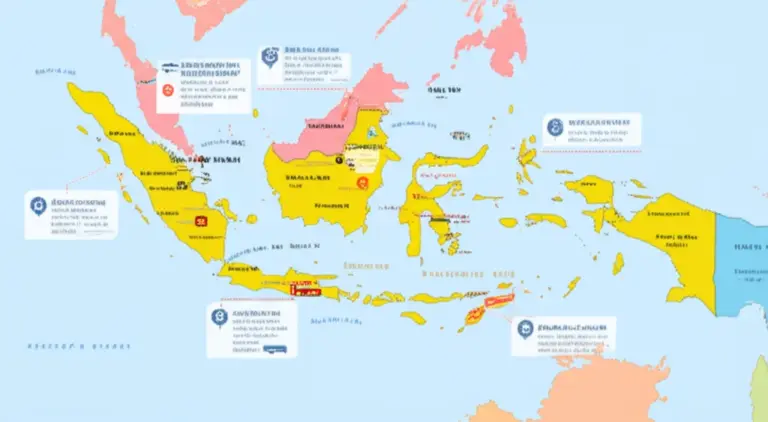
And here’s a general map of Indonesia to help you visualize your journey:
คำถามที่พบบ่อย (FAQ)
What is the best way to travel between islands in Indonesia?
For long distances and to save time, flying is generally the best option for inter-island travel. For shorter distances or to experience local life, ferries and fast boats are excellent choices. [5]
Are ride-hailing apps like Grab and Gojek available throughout Indonesia?
Grab and Gojek are widely available and highly recommended in major cities and tourist areas across Indonesia, including Java and Bali. Their availability might be limited in very remote or less populated regions. [5]
Is it safe to rent a scooter in Indonesia?
Renting a scooter is popular, especially in Bali, and can be very affordable. However, it comes with risks due to chaotic traffic and varying road conditions. Always wear a helmet, have an international driving permit, and ensure your travel insurance covers motorcycle accidents. [7]
What is the most cost-effective way to travel within Indonesian cities?
For travel within cities, ride-hailing apps like Gojek and Grab (especially their motorcycle taxi options, ojek) are typically the most cost-effective and convenient. Public buses and trains (where available, e.g., Jakarta MRT/TransJakarta) are also very cheap. [1, 8]
How do I book train tickets in Indonesia?
Train tickets for travel in Java can be conveniently booked online through platforms like Tiket.com or via the official KAI Access app. It’s advisable to book in advance, especially for popular routes and during peak travel seasons. [4, 5]
References
- Getting Around Indonesia: The Ultimate Guide to Transportation Options for Travelers and Expats
- Getting between cities: domestic flights, trains, long-distance buses, and ferries — schedules, booking tips, and budget vs comfort options
- Getting around within cities and islands: taxis, ride-hailing apps (Gojek/Grab), angkot, ojeks, bike rentals, and public transit tips for Jakarta, Bali, Yogyakarta, and Sumatra