How do batik workshops at the Kraton teach traditional techniques, symbols, and local motifs?
- How do batik workshops at the Kraton teach traditional techniques, symbols, and local motifs?
- The Enduring Legacy of Kraton Batik Workshops
- Unveiling Traditional Batik Techniques
- Decoding Batik Symbols and Their Meanings
- Embracing Local Motifs and Regional Variations
- What to Expect from a Kraton Batik Workshop
- คำถามที่พบบ่อย (FAQ)
- What is the minimum age to participate in a Kraton batik workshop?
- Do I need prior artistic experience to join a workshop?
- What kind of batik will I make in the workshop?
- Are the dyes used in workshops safe?
Nestled within the cultural heart of Yogyakarta, the Kraton (Sultan’s Palace) stands as a living testament to Javanese heritage. Beyond its regal architecture and historical significance, the Kraton plays a crucial role in preserving Indonesia’s intangible cultural treasures, particularly the art of batik. For visitors seeking an authentic and enriching experience, participating in Kraton batik workshops offers a unique window into this intricate craft. These workshops are not merely about creating a piece of cloth; they are immersive journeys that meticulously teach traditional techniques, unravel the profound meanings behind various symbols, and celebrate the distinct beauty of local motifs.
The Enduring Legacy of Kraton Batik Workshops
Batik, recognized by UNESCO as a Masterpiece of Oral and Intangible Heritage of Humanity, is more than just a textile; it’s a narrative woven into fabric, reflecting Javanese philosophy, history, and social structure. The Kraton, as the epicenter of Javanese culture, has historically been a patron of the arts, including batik. Its workshops serve as vital educational hubs, ensuring that the ancient knowledge and skills associated with batik are passed down through generations. Participants gain an unparalleled opportunity to learn directly from master artisans, many of whom have inherited their craft through familial lines within the palace community.
A Glimpse into Royal Heritage
The batik produced within the Kraton historically adhered to specific rules and designs, often reserved exclusively for the royal family and nobility. These ‘royal batiks’ are characterized by their refined patterns, intricate detailing, and the philosophical depth embedded within each motif. Workshops at the Kraton subtly introduce participants to this royal legacy, explaining how certain patterns were once restricted and the significance of their evolution over time. This historical context enriches the practical learning experience, transforming it into a cultural immersion.
Why Learn Batik at the Kraton?
Learning batik at the Kraton offers an authenticity that is hard to replicate elsewhere. The environment itself, steeped in tradition, provides a backdrop that enhances understanding and appreciation. The instructors are often deeply connected to the palace’s artistic traditions, offering insights that go beyond mere technical instruction. This direct lineage ensures that the techniques taught are as close as possible to their historical origins, providing a truly foundational understanding of the art form.
Unveiling Traditional Batik Techniques
The core of any batik workshop is the hands-on practice of its unique techniques. Participants in Kraton batik workshops are guided through each meticulous step, from preparing the fabric to the final wax removal. The emphasis is always on the traditional methods that have been refined over centuries.
The Art of Canting and Malam (Wax)
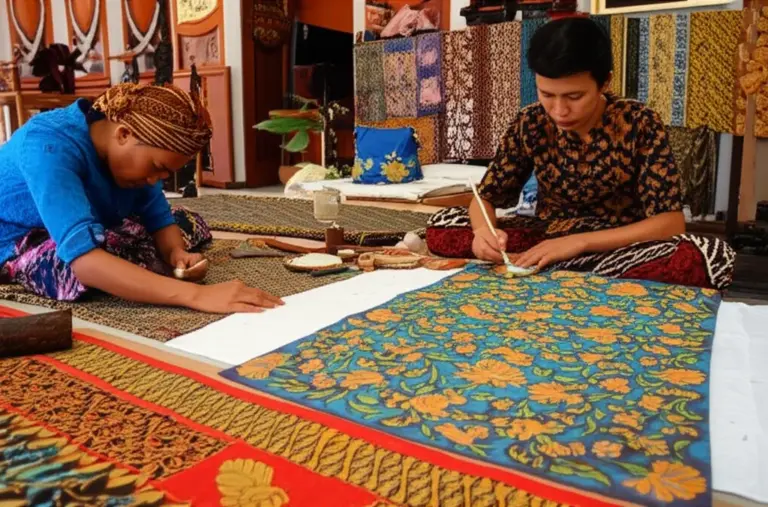
The most iconic tool in traditional batik is the canting, a small copper pen with a bamboo handle used to apply hot wax (malam) onto the fabric. Workshops begin with mastering the canting, learning how to control the flow of wax to create fine lines and intricate dots. This requires immense patience and a steady hand. Artisans demonstrate the various types of canting, each designed for specific line thicknesses or filling large areas. Participants practice drawing basic patterns, understanding how the wax acts as a resist, protecting areas of the fabric from dye.
Mastering the Dyeing Process
After the wax application, the fabric is dyed. Kraton workshops often prioritize natural dyes derived from plants, roots, and minerals, reflecting the traditional ecological practices of batik making. Participants learn about the dyeing vats, the precise timing required for color absorption, and the process of layering colors by repeatedly waxing and dyeing. The concept of ‘crackle’ (remukan), where wax cracks during dyeing to create delicate lines, is also explained and sometimes intentionally created.
From Cap to Tulis: Diverse Methods
While batik tulis (hand-drawn batik with a canting) is the pinnacle of the art, workshops may also introduce batik cap, which uses copper stamps to apply wax. This method, developed for efficiency, still requires skill and precision. Understanding both methods provides a comprehensive overview of traditional batik production.
Watch a Batik Workshop in Action!
To truly appreciate the artistry and dedication involved, watch this short video showcasing a batik art workshop in Yogyakarta:
This video offers a glimpse into the hands-on experience you can expect, highlighting the precision and patience required for traditional batik making.
Decoding Batik Symbols and Their Meanings
Beyond the technical skills, Kraton batik workshops delve into the rich symbolism woven into every pattern. Each line, dot, and motif in Javanese batik carries layers of meaning, often reflecting philosophical concepts, historical events, or hopes for prosperity and well-being.
Sacred Motifs and Royal Patterns
Workshops introduce participants to classic Kraton motifs such as Parang (knife pattern, symbolizing strength and continuous struggle), Kawung (interlocking circles, representing perfection and purity), and Truntum (budding flowers, symbolizing loyalty and eternal love). Artisans explain the historical significance of these patterns, their spiritual interpretations, and how they were traditionally used in different ceremonies or by specific social classes. This aspect transforms the learning experience into a profound cultural lesson.
Everyday Narratives in Fabric
While some motifs are sacred, others depict elements from daily life, nature, or even abstract philosophical ideas. Learning about these diverse symbols helps participants understand batik as a form of visual communication, a language written in wax and dye. Instructors encourage participants to choose patterns that resonate with them, fostering a personal connection to their creation.
Embracing Local Motifs and Regional Variations
Indonesia’s vast archipelago boasts an incredible diversity of batik styles, each region proud of its unique motifs and color palettes. Kraton batik workshops, while rooted in Javanese tradition, often highlight the distinct characteristics of Yogyakarta’s batik, providing a localized perspective.
Yogyakarta’s Distinctive Designs
Yogyakarta batik is typically characterized by its classic, earthy colors – indigo, brown, and white – and its adherence to traditional patterns. Workshops explain how the local environment, history, and royal patronage have shaped these specific designs. Participants may get to choose from a selection of pre-drawn local motifs to work on, ensuring they create a piece that is authentically Yogyanese.
Beyond the Kraton: A Tapestry of Indonesian Batik
While focusing on Kraton-style batik, instructors often provide a broader context, mentioning other famous regional styles like those from Solo, Pekalongan, or Cirebon, which are known for their vibrant colors or distinct motifs. This comparative perspective deepens the appreciation for the nationwide artistry of batik, showcasing Indonesia as a true hub of textile innovation.
What to Expect from a Kraton Batik Workshop
A typical workshop session at the Kraton, or a center closely affiliated with its traditions, is designed to be accessible to beginners while offering depth for those with some prior interest.
| Aspect | Description |
|---|---|
| Duration | Typically 2-4 hours, depending on the complexity of the design chosen. Some advanced courses may last longer. |
| Class Size | Often small groups, allowing for personalized instruction and interaction with the artisan. |
| Materials Provided | All necessary tools and materials, including fabric, canting, wax, and dyes, are supplied. |
| Guidance | Step-by-step instruction from experienced batik masters, ensuring a supportive learning environment. |
| Takeaway | Participants get to keep their handmade batik creation as a unique souvenir and a testament to their learning experience. |
Hands-On Learning Experience
The most valuable aspect of these workshops is the hands-on practice. From tracing patterns to applying wax and dipping the fabric in dye, participants are actively involved in every stage. This tactile engagement deepens understanding and appreciation for the skill and patience required to create traditional batik.
Cultural Immersion and Preservation
Participating in Kraton batik workshops is more than just a tourist activity; it’s an act of cultural immersion and a contribution to the preservation of a vital art form. By engaging with local artisans and learning their craft, visitors help sustain these traditions and ensure their continuity for future generations. It’s an unforgettable experience that offers both a tangible souvenir and a deeper connection to Indonesian culture.
In conclusion, Kraton batik workshops offer an unparalleled opportunity for visitors to explore the depths of this exquisite Indonesian art. They meticulously teach the time-honored techniques of wax application and dyeing, unveil the profound symbolism embedded within each motif, and celebrate the distinct local patterns of Yogyakarta. Engaging in these workshops provides not only a hands-on creative experience but also a rich cultural immersion, fostering a deeper appreciation for Indonesia’s artistic heritage and contributing to its ongoing preservation. For anyone visiting Yogyakarta, this is an experience not to be missed.
คำถามที่พบบ่อย (FAQ)
References
- UNESCO – Indonesian Batik
- Indonesia Travel – Kraton Yogyakarta
- The Met – Batik: The Art of Wax-Resist Dyeing