Inside Javanese Court Culture: Experiencing Kraton Yogyakarta, Batik Crafting, and Gamelan Workshops
- Inside Javanese Court Culture: Experiencing Kraton Yogyakarta, Batik Crafting, and Gamelan Workshops
- The Heart of Java: Kraton Yogyakarta
- The Art of Adornment: Batik Crafting
- Rhythms of the Soul: Gamelan Workshops
- Beyond the Workshops: Embracing Javanese Hospitality
- Planning Your Cultural Immersion in Yogyakarta
- คำถามที่พบบ่อย (FAQ)
- What is the significance of the Kraton Yogyakarta?
- Can I participate in a Batik crafting workshop in Yogyakarta?
- What is Gamelan music, and how can I experience it?
- What other cultural attractions are near Yogyakarta?
Yogyakarta, often hailed as the cultural heart of Java, offers an unparalleled journey into the rich tapestry of Javanese Court Culture. For those seeking more than just a scenic escape, this vibrant city provides a deep immersion into ancient traditions, royal legacies, and captivating artistry. From the stately confines of the Kraton to the intricate dance of wax on fabric in batik workshops, and the mesmerizing echoes of gamelan ensembles, Yogyakarta invites visitors to experience a living heritage that continues to thrive. This guide will walk you through the essential experiences that define Yogyakarta’s unique cultural landscape, perfect for any Indonesia tourism enthusiast.
The Heart of Java: Kraton Yogyakarta
The Sultan’s Palace, or Kraton Ngayogyakarta Hadiningrat, stands as the enduring symbol of Javanese royalty and the epicenter of Javanese Court Culture. Established in 1755 by Sultan Hamengkubuwono I, this majestic complex is not merely a historical site but a living museum where the traditions of the Yogyakarta Sultanate are meticulously preserved. Walking through its grand pavilions and courtyards, visitors can feel the echoes of centuries of royal life and ceremonial grandeur. The architecture itself is a testament to Javanese cosmology, blending traditional designs with subtle influences from Dutch colonial and Islamic styles.
Within the Kraton, several sections are open to the public, showcasing a remarkable collection of royal heirlooms, historical artifacts, traditional costumes, and portraits of past sultans. It’s common to witness cultural performances here, including traditional Javanese dance, wayang kulit (shadow puppetry), and gamelan music, offering a direct glimpse into the court’s artistic legacy. These performances are not just for show; they are integral to the preservation and continuation of Javanese artistic forms. The current Sultan, Hamengkubuwono X, still resides in parts of the Kraton, maintaining a significant cultural and symbolic role in modern Indonesia, particularly within Yogyakarta’s unique autonomous status.
Visitor Tip: Experiencing the Kraton
To truly appreciate the Kraton, consider visiting in the morning when the air is cooler and cultural performances are often scheduled. Engage with the local guides (often retired palace staff) who can share fascinating anecdotes and deeper insights into Javanese customs and etiquette. Remember to dress modestly out of respect for the royal residence.
The Art of Adornment: Batik Crafting
Batik, recognized by UNESCO as a Masterpiece of Oral and Intangible Heritage of Humanity, is far more than just patterned fabric; it is an intricate art form deeply embedded in Indonesian culture, particularly in Java. The word ‘batik’ is thought to originate from the Javanese words ‘amba’ (to write) and ‘titik’ (dot), referring to the meticulous process of drawing patterns with wax. In Yogyakarta, you’ll find numerous workshops where this centuries-old tradition is kept alive.
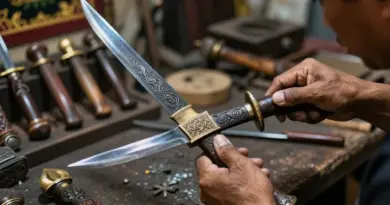
A batik workshop offers a hands-on opportunity to understand the dedication and skill involved. You’ll learn about the ‘canting’ (a pen-like tool with a small reservoir for hot wax) and ‘cap’ (copper stamps), the two primary methods used to apply wax resist patterns. The process involves drawing or stamping designs with hot wax onto fabric, then dyeing the fabric. The wax areas resist the dye, creating the intricate patterns. This waxing and dyeing process is repeated for each color, making complex batik pieces a labor of love that can take weeks or even months to complete. Each pattern often carries symbolic meanings, reflecting aspects of Javanese philosophy, nature, or social status.
Rhythms of the Soul: Gamelan Workshops
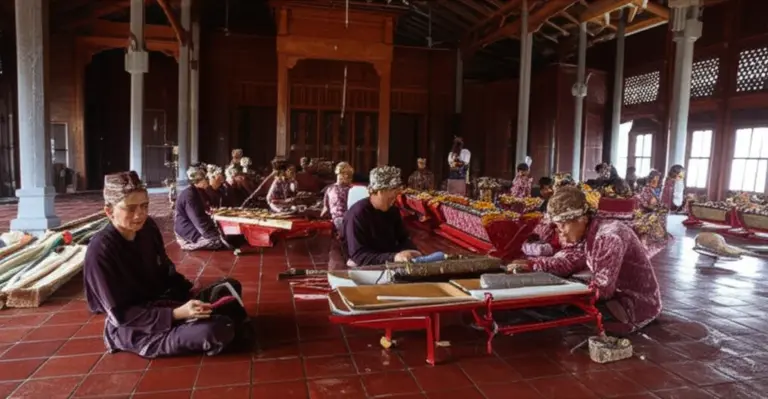
The enchanting, resonant sounds of gamelan are synonymous with Javanese Court Culture. This traditional ensemble music, primarily featuring percussive instruments like gongs, metallophones, and drums, creates a deeply meditative and uniquely Indonesian soundscape. Gamelan music accompanies many important Javanese ceremonies, dances, and theatrical performances, including wayang kulit.
Participating in a gamelan workshop is an unforgettable sensory experience. Under the guidance of a local instructor, you’ll have the chance to sit among the instruments – the gleaming bronze gongs, the shimmering saron, the rhythmic kendang drums – and learn the basics of playing. It’s not about individual virtuosity but about collective harmony, where each instrument plays a specific part to contribute to the overall intricate texture. Even if you’re not musically inclined, the experience of creating these ancient rhythms is profoundly rewarding and offers a deeper appreciation for Javanese artistry.
Beyond the Workshops: Embracing Javanese Hospitality
Your journey into Javanese culture extends beyond structured workshops. Yogyakarta’s charm lies in its people and their enduring traditions. Stroll through the bustling Malioboro Street, where street vendors offer local delicacies and handicrafts, or explore the quiet, traditional neighborhoods (kampungs) where daily life unfolds with a gentle rhythm. Indulge in authentic Javanese cuisine, from Gudeg (jackfruit stew) to Bakpia Pathok (sweet bean-filled pastries). Engaging with locals, even with simple greetings, can open doors to unexpected cultural insights and warm interactions.
For a comprehensive understanding of the city’s royal heritage and its connection to the current culture, consider a visit to Taman Sari, the former royal water castle and garden. This complex, with its bathing pools and underground tunnels, offers a fascinating glimpse into the recreational life of the sultans and their families. It’s another layer to understanding the opulent and intricate world of the Javanese court.
Planning Your Cultural Immersion in Yogyakarta
Yogyakarta is easily accessible, with its own international airport (Yogyakarta International Airport – YIA) and excellent train connections to other major Javanese cities like Jakarta and Surabaya. Accommodation options range from luxury hotels to charming guesthouses, many of which are designed with traditional Javanese aesthetics. To truly immerse yourself, allow at least 3-5 days to explore the Kraton, participate in workshops, and visit nearby attractions such as the UNESCO World Heritage Sites of Borobudur and Prambanan temples.
Embracing the Javanese Court Culture in Yogyakarta is an enriching experience that goes beyond typical sightseeing. It’s an opportunity to connect with a vibrant heritage, learn traditional crafts, and be moved by ancient melodies. Whether you’re a seasoned traveler or a first-time visitor to Indonesia, Yogyakarta promises a cultural adventure that will leave a lasting impression.
คำถามที่พบบ่อย (FAQ)
References
- UNESCO World Heritage Centre: Borobudur Temple Compounds
- UNESCO World Heritage Centre: Prambanan Temple Compounds
- UNESCO Intangible Cultural Heritage: Indonesian Batik
- Lonely Planet: Yogyakarta