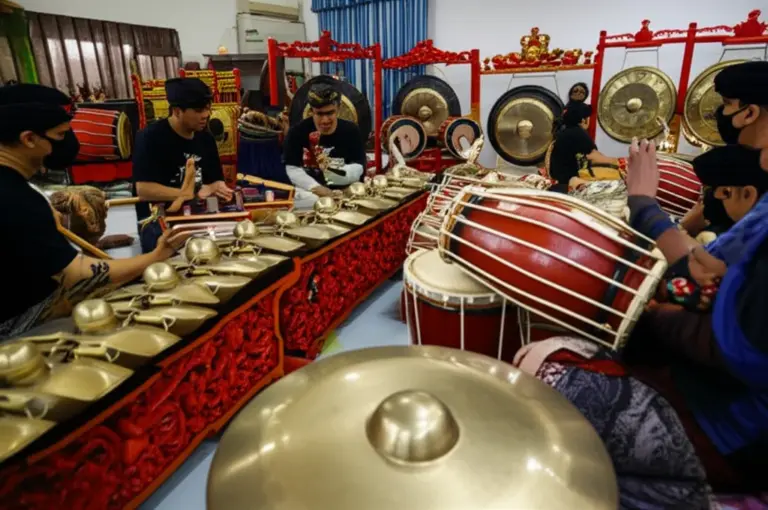
What can participants expect from a gamelan workshop — instruments, repertoire, and cultural etiquette?
- What can participants expect from a gamelan workshop — instruments, repertoire, and cultural etiquette?
For travelers seeking a deeper connection with the rich tapestry of Indonesian culture, participating in a gamelan workshop Indonesia offers an unparalleled and immersive experience. Beyond the breathtaking landscapes and delicious cuisine, Indonesia’s soul resonates profoundly through its traditional music, and gamelan stands as its vibrant heart. This article will guide you through what you can expect from such a workshop, from the fascinating instruments you’ll encounter and the captivating repertoire you’ll explore, to the important cultural etiquette that enriches this communal art form.
The Enchanting World of Gamelan: A Cultural Overview
Gamelan is far more than just music; it’s a profound cultural expression, a philosophy, and a way of life deeply embedded in Indonesian society, particularly on the islands of Java and Bali. It encompasses a diverse ensemble of percussive instruments, predominantly metallophones and gongs, often accompanied by flutes, bowed instruments, and vocalists. The term ‘gamelan’ itself is thought to derive from the Javanese word ‘gamel,’ meaning to strike or to hammer, referring to the primary method of playing many of its instruments. [1]
Engaging in a gamelan workshop offers a unique window into Indonesian heritage. It’s a hands-on opportunity to understand the intricate harmonies, the communal spirit, and the spiritual depth that define this ancient art form. For tourists, it’s not just about learning to play an instrument; it’s about participating in a living tradition, fostering cross-cultural understanding, and creating unforgettable memories. [14]
Exploring the Instruments of Gamelan
A gamelan ensemble is a captivating collection of instruments, each with its distinct voice and role. While the specific instruments can vary between Javanese and Balinese styles, a typical workshop will introduce you to the core components. [1]
| Instrument Category | Key Instruments | Role in Ensemble |
|---|---|---|
| Gongs & Kettle Gongs | Gong Ageng, Kempul, Kenong, Ketuk, Bonang | Marking musical cycles, punctuating phrases, melodic elaboration. The Gong Ageng is the largest and most important, marking the end of major sections. [1] |
| Metallophones | Saron, Gender, Slenthem | Playing the core melody (balungan) or its elaborations. Saron instruments come in various sizes, producing different pitches. [1] |
| Drums | Kendang | Leading the ensemble, setting tempo, and signaling transitions. Played with the hands, it’s often considered the conductor of the gamelan. [1] |
| Other Instruments | Rebab (bowed lute), Suling (bamboo flute), Gambang (wooden xylophone) | Adding melodic embellishments, vocal-like lines, or rhythmic accents. [1] |
During a workshop, you’ll likely get hands-on experience with several of these instruments, often starting with easier ones like the Saron, which plays the main melody. [14]
Unveiling the Gamelan Repertoire
The repertoire of gamelan music is vast and diverse, ranging from ancient ceremonial pieces to modern compositions. Workshops typically focus on teaching fundamental pieces and concepts, allowing participants to grasp the underlying structure of gamelan music. [2]
- The Balungan: This is the skeletal melody, the core tune around which all other instruments elaborate. Learning the balungan is often the first step in understanding a gamelan piece. [2]
- Cyclical Structure: Gamelan music is largely cyclical, with phrases marked by the striking of various gongs. Understanding these cycles is crucial for playing in harmony with the ensemble. [2]
- Collective Music-Making: Unlike Western orchestras where a conductor dictates every move, gamelan relies on collective listening and interaction. Each musician knows not only their part but also how it fits into the larger soundscape. [11]
You’ll learn to listen intently to the other players, responding to subtle cues and blending your sound into the collective harmony. This collaborative approach is a cornerstone of the gamelan experience. [11]
Embracing Cultural Etiquette in a Gamelan Workshop
Gamelan is deeply intertwined with Indonesian spiritual beliefs and social customs. Therefore, understanding and respecting cultural etiquette is paramount to a fulfilling workshop experience. [14]
Respect for Instruments and Teachers
Gamelan instruments are often considered sacred, imbued with spiritual energy. Always step over instruments, never on them. When sitting, try to avoid pointing your feet towards the instruments or your teachers, as feet are considered the lowest part of the body. Show reverence for the instruments and deference to your instructors, who are sharing a profound part of their heritage with you. [14]
Dress Code and Demeanor
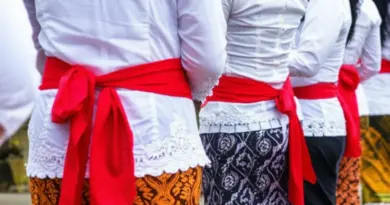
While there might not be a strict dress code for tourists, dressing modestly (e.g., covering shoulders and knees) is always appreciated and shows respect for the local culture. Maintain a humble and open attitude, ready to learn and immerse yourself in the experience. Gamelan also teaches harmony and respect for each other, reflecting the Indonesian concept of gotong royong (mutual cooperation). [8]
What to Expect During Your Workshop Experience
A typical gamelan workshop Indonesia will blend instruction, hands-on practice, and cultural insights. You’ll often begin with an introduction to the history and significance of gamelan, followed by demonstrations of the instruments.
You’ll then move to practical sessions, where instructors will guide you through basic playing techniques for various instruments. The emphasis is less on individual virtuosity and more on collective harmony and understanding your role within the ensemble. You might learn simple melodies, rhythmic patterns, and how to damp (stop the sound) the instruments correctly. The joy comes from contributing to the beautiful, resonant sound created by the group. [11]
Many workshops conclude with a collective performance of a simple piece, allowing participants to experience the full magic of a gamelan ensemble working in unison. This is often a highlight, as you realize the beautiful music you can create together. [8]
Conclusion
A gamelan workshop Indonesia is more than just a musical lesson; it’s a cultural immersion that offers deep insights into the heart of Indonesian tradition. From the moment you strike your first gong or metallophone, you’ll be transported into a world of intricate sounds, communal harmony, and profound respect. It’s an opportunity to learn about unique instruments, engage with a rich repertoire, and practice cultural etiquette that enriches the entire experience. For anyone visiting Indonesia, this hands-on encounter with gamelan is an unforgettable way to connect with the country’s vibrant artistic soul and create lasting memories of your journey.
คำถามที่พบบ่อย (FAQ)
References
- Musical Instruments of the Gamelan Orchestra of Indonesia – YouTube
- Teaching you Indonesian Gamelan Music! (Lancaran Kotek) – YouTube
- Ringing in Harmony: Gamelan Lessons in Yogyakarta Indonesia – YouTube
- Good Vibrations’ Introduction to Gamelan – YouTube
- How Can A Beginner Start Learning About Javanese Gamelan? – Art Across Cultures