Sustainable Snorkeling and Diving Practices: Gear, Techniques, and Local Guides to Avoid Coral Damage
- Sustainable Snorkeling and Diving Practices: Gear, Techniques, and Local Guides to Avoid Coral Damage
- Introduction: Protecting Indonesia’s Underwater Paradise
- Essential Gear for Eco-Conscious Divers and Snorkelers
- Master Your Techniques: Minimize Your Impact
- The Role of Local Guides and Responsible Operators in Indonesia
- Beyond the Water: What Else You Can Do
- คำถามที่พบบ่อย (FAQ)
- What is the biggest threat to coral reefs from tourism?
- How can I identify a responsible dive or snorkel operator?
- Is it okay to feed fish while snorkeling or diving?
- Why is buoyancy control so important for divers?
Indonesia, an archipelago nation, boasts an unparalleled marine biodiversity, home to the world’s most vibrant coral reefs and an incredible array of marine species. For many visitors, exploring this underwater wonderland through snorkeling and diving is the highlight of their trip. However, the increasing popularity of these activities poses a significant threat to these fragile ecosystems. This article delves into Sustainable Snorkeling and Diving Practices, outlining the gear, techniques, and the crucial role of local guides, all aimed at minimizing our impact and preserving Indonesia’s breathtaking underwater paradise for generations to come. Your conscious choices can make a monumental difference in protecting these invaluable natural treasures.
Introduction: Protecting Indonesia’s Underwater Paradise
Indonesia lies at the heart of the Coral Triangle, a global center of marine biodiversity. Its waters teem with over 500 species of coral and thousands of fish species, making it a diver’s and snorkeler’s dream. Yet, these delicate coral reefs are highly susceptible to damage from human activities, including accidental contact, pollution, and unsustainable tourism practices. Understanding the fragility of these ecosystems is the first step towards adopting responsible behaviors that ensure their survival. Every fin kick, every touch, and every product we use can either contribute to their degradation or their preservation.
Essential Gear for Eco-Conscious Divers and Snorkelers
Your choice of gear can significantly impact the marine environment. Opting for eco-friendly alternatives and ensuring your equipment is well-maintained are crucial aspects of Sustainable Snorkeling and Diving Practices.
-
Reef-Safe Sunscreen
Many conventional sunscreens contain oxybenzone and octinoxate, chemicals known to cause coral bleaching and damage marine life. Always choose mineral-based sunscreens with non-nano zinc oxide and titanium dioxide, which are less harmful to reefs. Look for labels explicitly stating “reef-safe” or “ocean-friendly.”
-
Properly Fitting Gear
Ensure your mask, snorkel, and fins fit correctly. Ill-fitting fins can lead to uncontrolled movements, increasing the risk of accidentally kicking and damaging corals or stirring up sediment. A well-fitting mask prevents constant adjustments that can distract you from your surroundings.
-
Wetsuits/Rash Guards
Wearing a wetsuit or rash guard provides excellent sun protection, reducing your reliance on sunscreen. This not only benefits the reef but also protects your skin from prolonged sun exposure. They also offer a layer of protection against accidental scrapes or stings.
-
Appropriate Weighting (for Divers)
Divers must ensure they are correctly weighted. Over-weighting leads to poor buoyancy control, making it harder to maintain a stable position and increasing the likelihood of sinking onto the reef. Consult your dive instructor for proper weighting techniques.
Master Your Techniques: Minimize Your Impact
How you move and interact with the underwater environment is paramount to practicing Sustainable Snorkeling and Diving Practices. Developing good habits will protect marine life and enhance your experience.
Buoyancy Control (for Divers)
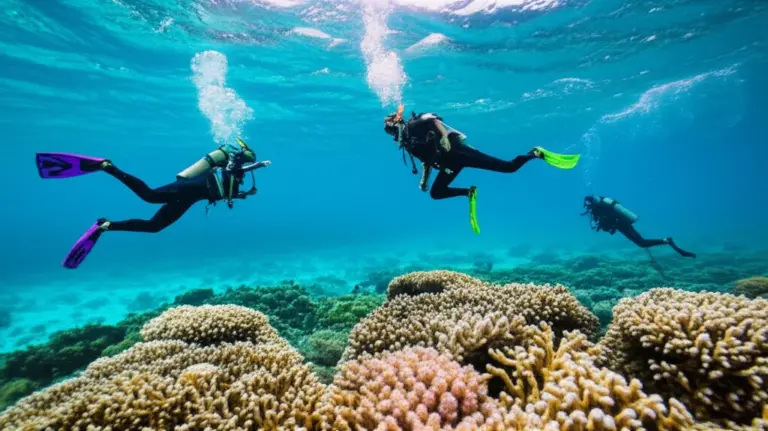
Achieving neutral buoyancy is perhaps the most critical skill for divers. It allows you to hover effortlessly, preventing accidental contact with the reef. Practice proper weighting and fin techniques to maintain perfect trim. Always aim to stay a few feet above the coral, observing from a respectful distance. Avoid touching or resting on corals, as even a gentle touch can damage their delicate polyps and protective mucus layers.
Finning Techniques
Traditional flutter kicks can stir up sediment, reducing visibility and potentially smothering corals. Learn alternative finning techniques like the frog kick or helicopter kick, which minimize disturbance. Keep your fins elevated and away from the reef structure. For snorkelers, gentle, controlled kicks are equally important to avoid hitting corals, especially in shallow areas.
Entry and Exit
Always enter and exit the water at designated points. Avoid walking on or near corals, even if they appear dead or submerged. Coral skeletons are crucial to the reef structure and can take decades to form. If entering from a boat, ensure you do so away from sensitive areas and follow your guide’s instructions.
Observing Marine Life
The golden rule of marine observation is: look, don’t touch. Touching marine animals can remove their protective coatings, expose them to disease, or stress them. Never feed fish or other marine creatures, as it disrupts their natural feeding behaviors and ecological balance. Maintain a respectful distance from all wildlife.
Watch: Indonesia’s Coral Reefs – 360 | Into Water
Gain a deeper understanding of the vital importance and beauty of Indonesia’s coral reefs by watching this insightful National Geographic video.
The Role of Local Guides and Responsible Operators in Indonesia
Choosing the right tour operator and engaging local guides is one of the most impactful Sustainable Snorkeling and Diving Practices you can adopt. They are your best resource for navigating the delicate marine environment responsibly.
-
Why Local Guides are Crucial
Local guides possess invaluable knowledge of the area, including currents, fragile zones, and marine life behavior. They can ensure you adhere to local regulations and guide you through the most environmentally sound routes, preventing accidental damage. They are often passionate advocates for their local environment.
-
Choosing Eco-Certified Operators
Look for dive centers and tour operators with recognized eco-certifications (e.g., Green Fins, PADI Green Star Award). These certifications indicate a commitment to environmental protection, responsible waste management, and sustainable practices. Ask about their environmental policies before booking.
-
Supporting Local Communities
By choosing local operators, you contribute directly to the economic well-being of the communities that live alongside these precious marine environments. This creates an incentive for local populations to protect their natural resources, fostering a symbiotic relationship between tourism and conservation.
-
Understanding Local Regulations
Be aware of and respect local marine protected area rules, which may include restrictions on fishing, anchoring, or even specific entry points. Your guide will be your best source for this information. Adhering to these rules is vital for effective conservation.
Beyond the Water: What Else You Can Do
Your responsibility for Sustainable Snorkeling and Diving Practices extends beyond your time in the ocean. Every action on land can also impact the marine environment.
-
Reduce Plastic Use
Plastic pollution is a major threat to marine life. Minimize your use of single-use plastics by carrying a reusable water bottle, coffee cup, and shopping bag. Dispose of any waste properly and participate in beach cleanups if opportunities arise.
-
Support Marine Conservation Initiatives
Consider donating to or volunteering with local and international organizations dedicated to marine conservation in Indonesia. Your support helps fund vital research, education, and restoration projects.
-
Educate Others
Share your knowledge about sustainable practices with friends, family, and fellow travelers. The more people who are aware and act responsibly, the greater the positive impact on our oceans.