Why Choose Ethical Orangutan Encounters? Understanding Conservation, Animal Welfare, and Visitor Impact in Bukit Lawang
- Why Choose Ethical Orangutan Encounters? Understanding Conservation, Animal Welfare, and Visitor Impact in Bukit Lawang
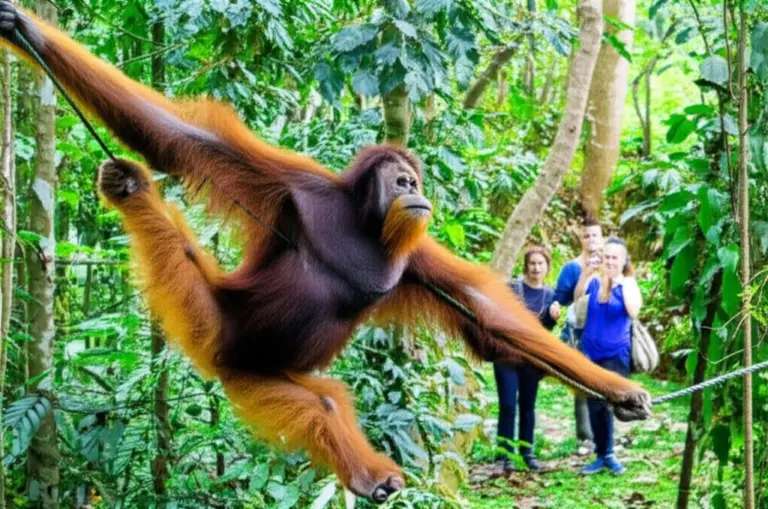
For many travelers, the dream of seeing orangutans in their natural habitat is a powerful draw to Indonesia, particularly to the lush rainforests of Sumatra. Bukit Lawang, nestled on the edge of the Gunung Leuser National Park, offers a unique opportunity for such encounters. However, the increasing popularity of orangutan tourism necessitates a critical look at how these interactions impact the magnificent apes and their fragile ecosystem. Choosing Ethical Orangutan Encounters Bukit Lawang is not just a trend; it’s a responsibility, vital for conservation, animal welfare, and ensuring a positive visitor impact that truly supports the future of these critically endangered species. This guide explores the multifaceted reasons behind making responsible choices when visiting this incredible destination.
The Plight of Orangutans and the Need for Conservation
Sumatran orangutans (Pongo abelii) are listed as Critically Endangered by the IUCN, facing an extremely high risk of extinction in the wild. Their population has plummeted dramatically over the past few decades, primarily due to human activities. Understanding their precarious situation is the first step towards appreciating the importance of ethical tourism. The rich biodiversity of the Leuser Ecosystem, where Bukit Lawang is located, is a global treasure, housing not only orangutans but also Sumatran tigers, rhinos, and elephants. Protecting this ecosystem is crucial for the planet’s health. [11]
Sumatran Orangutans: A Critically Endangered Species
These intelligent, tree-dwelling primates play a vital role in maintaining the health of the rainforest by dispersing seeds and contributing to forest regeneration. Their slow reproductive rate makes them particularly vulnerable to population declines, meaning every individual lost is a significant blow to the species’ survival. The unique characteristics of Sumatran orangutans, including their relatively solitary nature and complex social structures, make their preservation even more challenging.
Threats: Habitat Loss and Poaching
The primary threat to orangutans is deforestation, driven largely by the expansion of palm oil plantations, logging, and mining. These activities fragment their habitat, isolating populations and making them more susceptible to poaching and illegal wildlife trade. Poaching for the pet trade, or in retaliation for crop raiding, further exacerbates their decline. Unethical tourism practices can inadvertently contribute to these threats by habituating orangutans to humans, making them easier targets for poachers or increasing their risk of disease transmission.
What Defines an Ethical Orangutan Encounter?
An ethical orangutan encounter prioritizes the welfare of the animals and the integrity of their habitat above all else. It’s about observing respectfully, minimizing disturbance, and ensuring your visit contributes positively to conservation efforts. This approach distinguishes responsible tourism from practices that, however well-intentioned, can cause harm. For true Ethical Orangutan Encounters Bukit Lawang, adherence to strict guidelines is non-negotiable.
Minimizing Human-Wildlife Interaction
The golden rule of ethical wildlife viewing is to observe from a distance. Direct interaction, such as touching or feeding orangutans, can lead to habituation, making them dependent on humans for food and increasing their vulnerability to diseases. It can also alter their natural behaviors, impacting their ability to survive independently in the wild. Responsible guides will enforce strict distance rules and educate visitors on appropriate behavior. [12]
Supporting Local Conservation Efforts
Ethical tours often channel a portion of their proceeds directly into local conservation projects, anti-poaching initiatives, and community development programs. By choosing such operators, tourists directly contribute to the long-term protection of orangutans and their habitat. This support is crucial for funding patrols, rehabilitation centers, and educational outreach to local communities. [5]
No Feeding, No Touching
Feeding wild orangutans is detrimental to their health and natural foraging behaviors. It can make them sick, encourage aggressive behavior towards humans, and lead to nutritional deficiencies. Similarly, touching them risks transmitting human diseases, to which orangutans have no immunity. Reputable guides will strictly forbid these actions, ensuring the animals remain wild and healthy. [10]
Bukit Lawang: A Hub for Responsible Tourism
Bukit Lawang has a rich history tied to orangutan conservation, having once housed a rehabilitation center. While the official feeding platform closed in 2002, its legacy means some orangutans in the area are semi-wild, accustomed to human presence. This makes it an accessible location for viewing, but also highlights the need for stringent ethical practices to prevent further habituation. [11]
The Leuser Ecosystem: A Biodiversity Hotspot
The Gunung Leuser National Park, part of the larger Leuser Ecosystem, is one of the most biodiverse regions on Earth. It’s a UNESCO World Heritage Site and a critical stronghold for numerous endangered species. Your visit to Bukit Lawang supports the preservation of this entire ecosystem, not just the orangutans. Engaging with responsible tourism helps maintain the delicate balance of this irreplaceable natural wonder. [7]
Rehabilitation Centers and Their Role
While the original rehabilitation center in Bukit Lawang closed, other organizations continue the vital work of rescuing, rehabilitating, and releasing orangutans. These centers are crucial for giving orphaned or injured orangutans a second chance at a wild life. Supporting these organizations, often through donations or by choosing tour operators who partner with them, is another way to ensure your trip has a positive impact. [11]
Choosing a Responsible Tour Operator
The key to an ethical experience lies in selecting the right tour operator. Look for companies that: have small group sizes, maintain strict distance from orangutans, prohibit feeding, prioritize animal welfare over guaranteed sightings, employ local guides (ensuring economic benefits stay within the community), and contribute to conservation. Researching reviews and asking direct questions about their ethical policies is crucial before booking your Ethical Orangutan Encounters Bukit Lawang. [10]
Visitor Impact: Be Part of the Solution, Not the Problem
Every visitor to Bukit Lawang leaves an impact, whether positive or negative. By being mindful of your actions, you can ensure your presence contributes to the solution for orangutan conservation. Your choices, from the operator you select to the trash you generate, reverberate throughout the delicate ecosystem and the local community.
Sustainable Practices for Tourists
Beyond choosing an ethical tour, tourists can adopt other sustainable practices. This includes minimizing waste (especially plastics), staying on designated trails, carrying out all trash, avoiding loud noises that disturb wildlife, and respecting local customs and culture. Educating yourself about the local environment and its challenges empowers you to be a better, more responsible traveler.
Economic Benefits for Local Communities
Responsible tourism provides crucial economic opportunities for local communities, offering an alternative to activities that might harm the rainforest, such as illegal logging. When tourists choose ethical operators, stay in locally-owned guesthouses, and buy local products, they directly support the livelihoods of people who then have a vested interest in protecting the environment. This symbiotic relationship is key to long-term conservation success.
The Long-Term Vision: Protecting Orangutans for Future Generations
The survival of Sumatran orangutans depends on a collective effort from governments, conservationists, local communities, and, crucially, tourists. By making conscious, ethical choices when planning your Ethical Orangutan Encounters Bukit Lawang, you become an active participant in their preservation. Your visit can be a powerful force for good, ensuring that these magnificent creatures continue to thrive in the wild for generations to come, enriching the biodiversity of our planet and the experiences of future travelers.
คำถามที่พบบ่อย (FAQ)
References
- Rainforest Projects – Bukit Lawang: From Rehabilitation Centre to Ecotourism
- Exploring Sumatra – Bukit Lawang Jungle Trekking: How to Choose an Ethical Guide
- Jason Billam Travel – Orangutan Trekking in the Indonesian Rainforest | Bukit Lawang, Sumatra
- Sandra Potisek – Orangutan Jungle Trek in Bukit Lawang, Sumatra | Travel Vlog
- James Billam Travel – 24 Hours with Wild Orangutans in Sumatra, Indonesia
- Travel Alchemist – We Saw Wild Orangutans in Sumatra! | Bukit Lawang Jungle Trek
- Kelly Gets Injured – Orangutan Jungle Trek in Sumatra, Indonesia
- Ethical Orangutan Encounters in Sumatra: How to Choose Responsible Guides in Bukit Lawang for Sustainable Wildlife Tourism
- How to Identify Responsible Guides and Tours: Certifications, Local Partnerships, and Red Flags to Avoid
- What to Expect on a Responsible Orangutan Trek: Sustainable Practices, Visitor Behavior, and Minimal-Impact Itineraries