Why Low-Impact Travel Matters for the Gili Islands and How Reef-Safety Protects Coral Ecosystems
- Why Low-Impact Travel Matters for the Gili Islands and How Reef-Safety Protects Coral Ecosystems
The Gili Islands—Gili Trawangan, Gili Meno, and Gili Air—are a trio of idyllic islands off the coast of Lombok, Indonesia, renowned for their pristine beaches, crystal-clear waters, and vibrant marine life. This tropical paradise has become a magnet for tourists seeking an escape from the ordinary. However, the very popularity that sustains the local economy also poses a significant threat to its delicate ecosystems, particularly its stunning coral reefs. This is where the concept of Low-Impact Travel Gili Islands becomes not just a recommendation, but a necessity. By understanding and adopting responsible practices, visitors can play a pivotal role in preserving these islands for generations to come, ensuring that the magic of the Gilis endures.
The Allure and Fragility of the Gili Islands
A Tropical Paradise Under Pressure
The Gili Islands are a jewel in the crown of Indonesian tourism, part of the Coral Triangle, a global epicenter of marine biodiversity. Their shallow, warm waters teem with an astonishing array of fish, sea turtles, and, most notably, extensive coral reefs. This natural splendor has led to a rapid increase in tourist arrivals, with visitor numbers reportedly doubling year-on-year in the past, reaching over a million annually. [17] While tourism is the lifeblood of the local economy, contributing over 70% of North Lombok Regency’s regional income, this rapid growth has brought significant environmental challenges. [13, 21]
Issues such as inadequate waste management, leading to significant accumulation of plastic waste and pollution, and increasing demand for fresh water, which can strain local resources, are pressing concerns. [1, 13, 15, 21, 23] Over-tourism has led to visible pollution on beaches and in the water, impacting the very natural appeal that draws visitors. [17] Without proper management, the pressure on natural resources and the marine environment intensifies, threatening the long-term sustainability of this cherished destination. [4, 5]
Embracing Low-Impact Travel for a Sustainable Future
What is Low-Impact Travel?
Low-impact travel, often synonymous with sustainable tourism or ecotourism, is an approach to visiting destinations that minimizes the negative environmental, social, and economic impacts while maximizing positive ones. For the Gili Islands, this means conscious choices that reduce your ecological footprint, support local communities, and respect the islands’ unique culture and fragile ecosystems. It involves being mindful of resource consumption, waste generation, and interactions with wildlife and local residents. [5, 20]
The Urgency of Sustainable Tourism in the Gilis
The challenges facing the Gili Islands—from coral degradation and marine pollution to water scarcity and waste overload—underscore the urgent need for sustainable tourism practices. [1, 4, 13, 21] The Gili Matra Marine Park, established in 1993, covers all three islands and aims to protect marine biodiversity, but its effectiveness relies heavily on the cooperation of both locals and tourists. [1, 2, 10, 16] Sustainable tourism isn’t just about preserving nature; it’s about ensuring the long-term viability of the local economy and the well-being of the island communities that depend on it. By embracing low-impact travel, visitors contribute directly to these conservation efforts, helping to alleviate pressure on the islands’ finite resources and allowing their natural beauty to recover and thrive. [4, 5, 7, 18]
Reef-Safety: Guardians of the Underwater World
The Vital Role of Coral Ecosystems
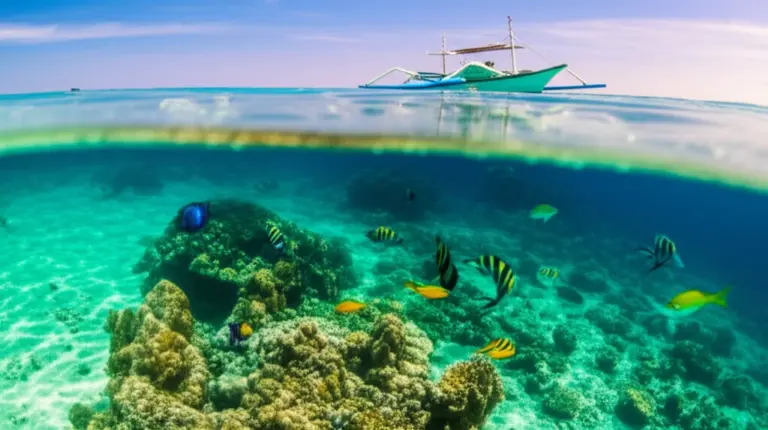
Coral reefs are often called the ‘rainforests of the sea’ due to their incredible biodiversity. In the Gili Islands, these vibrant underwater structures provide critical habitats and nurseries for countless marine species, from tiny reef fish to majestic sea turtles and sharks. [1, 9, 14, 16] Beyond their ecological importance, coral reefs also serve as natural barriers, protecting coastlines from erosion and supporting the livelihoods of millions globally through fisheries and tourism. The health of the Gilis’ economy and its natural environment are inextricably linked to the vitality of its coral reefs. [9]
Threats to Gili’s Coral Reefs
The Gili Islands’ coral reefs have faced severe degradation over the years. Major threats include coral bleaching events, often linked to rising ocean temperatures, which have led to over 90% reduction in coral cover in some areas following significant events in 1998, 2010, and 2016. [1, 6] Destructive fishing practices, such as dynamite and cyanide fishing, though now banned, caused widespread damage in the past, leaving behind rubble that continues to threaten new coral growth. [6, 16, 19] Pollution, particularly from uncontrolled tourism activities and waste, poor water quality, and physical damage from anchors, unsupervised snorkeling, and diving, further exacerbate the problem. [1, 4, 14, 19]
Practicing Reef-Safe Tourism
Protecting these fragile ecosystems requires conscious effort from every visitor. One crucial practice is using reef-safe sunscreen. Many conventional sunscreens contain chemicals like oxybenzone and octinoxate, which are highly toxic to corals and contribute to bleaching. Opting for mineral-based sunscreens with zinc oxide or titanium dioxide helps prevent this chemical pollution. [14, 19, 20]
Furthermore, responsible in-water behavior is paramount. Divers and snorkelers must avoid touching, standing on, or collecting corals, as even a slight contact can cause significant damage or stress. Maintaining neutral buoyancy while diving and being aware of your surroundings can prevent accidental contact. Respecting marine life means observing from a distance, never chasing or harassing animals, and refraining from feeding them. [14, 19, 20]
Practical Steps for Responsible Visitors
Reducing Your Footprint
Minimizing waste is critical on small islands with limited processing capabilities. Visitors can significantly reduce their impact by avoiding single-use plastics, such as plastic bottles, bags, and straws. Many establishments on the Gilis offer water refill stations, making it easy to use reusable bottles. [11, 20, 22] Supporting businesses that have zero-waste initiatives and dispose of waste responsibly is also vital. [15, 20, 23] Additionally, being mindful of water consumption, especially during peak tourist seasons when water scarcity can be an issue, contributes to the islands’ sustainability. [13]
Supporting Local Conservation Efforts
The Gili Islands are home to several dedicated non-profit organizations working tirelessly to protect and restore the environment. The Gili Eco Trust, founded in 2000, is a leading NGO focused on marine conservation (including Biorock coral restoration and artificial reefs), waste management, and sustainable ecotourism. [1, 3, 6, 11, 12, 22] Gili Shark Conservation and Coral Catch are other organizations actively involved in coral restoration, shark research, and educating visitors and locals about marine protection. [1, 8, 9, 14] By choosing eco-friendly accommodations, tour operators, and dive centers that partner with or support these initiatives, tourists can directly contribute to ongoing conservation projects and help fund vital research and restoration work. [5, 9, 19, 20]
Respecting Marine Life and Local Culture
Beyond specific environmental actions, responsible tourism also encompasses cultural sensitivity. Engaging with locals respectfully, supporting local businesses directly, and understanding the local customs enhance the positive impact of your visit. For marine life, this means observing from a distance, never touching or feeding animals, and participating in tours that prioritize animal welfare and educate about responsible interaction. Choosing ethical tour operators who emphasize marine conservation and ethical wildlife interactions is key to ensuring your Gili Islands experience is both memorable and responsible. [5, 20]
The Long-Term Vision: Preserving Paradise
The future of the Gili Islands as a pristine tourist destination hinges on a collective commitment to low-impact travel and reef-safety. The challenges are significant, but the dedication of local communities, conservation organizations, and responsible tourists offers hope. By making conscious choices – from what sunscreen you use to how you dispose of your waste and whom you support – you become an active participant in preserving the breathtaking beauty of the Gilis. Your actions, however small, contribute to a larger movement that strives to balance economic prosperity with ecological integrity, ensuring that these islands remain a vibrant, healthy paradise for generations to come.
คำถามที่พบบ่อย (FAQ)
| Question | Answer |
|---|---|
|
Why are coral reefs so important to the Gili Islands? |
Coral reefs are vital to the Gili Islands because they serve as critical habitats and nurseries for a diverse range of marine species, contribute significantly to the islands’ biodiversity, protect coastlines from erosion, and support the local economy through tourism and fisheries. [9, 14] |
|
What is ‘reef-safe’ sunscreen and why should I use it? |
‘Reef-safe’ sunscreen typically means it’s free of chemicals like oxybenzone and octinoxate, which are harmful to coral reefs and can contribute to coral bleaching. Using mineral-based sunscreens (with zinc oxide or titanium dioxide) helps protect the delicate marine ecosystem from chemical pollution. [14, 19, 20] |
|
How can I ensure my visit to the Gili Islands is low-impact? |
To ensure a low-impact visit, minimize single-use plastics, use water refill stations, choose reef-safe sunscreen, avoid touching or stepping on corals, support local eco-friendly businesses, and respect marine life by observing from a distance. [19, 20] |
|
Are there any specific local conservation efforts in the Gili Islands I can support? |
Yes, organizations like Gili Eco Trust, Gili Shark Conservation, and Coral Catch are actively involved in marine conservation, coral restoration (including Biorock technology), waste management, and education. You can support them by choosing their partner businesses, participating in clean-ups, or donating. [1, 3, 6, 8, 9, 11, 12, 22] |
|
What is the Gili Matra Marine Park? |
The Gili Matra Marine Park is a Marine Protected Area (MPA) established in 1993, encompassing the three Gili Islands and surrounding waters. It covers approximately 30 km² and aims to protect and conserve the rich marine biodiversity, including coral reefs, through zoning and regulated activities. [1, 2, 10, 16] |
References
- Discovering the Gili Islands: Biodiversity, Conservation, and Sustainable Tourism – Gili Shark Conservation
- GILI MATRA MARINE PARK | PPTX – SlideShare
- Gili Eco Trust 01 – Marine Conservation Worldwide
- The impact of tourism on the sustainability of Gili Trawangan as a natural tourist destination
- The Sustainable Tourism Movement in Gili Trawangan – Villa Almarik
- Reef Restoration – Gili Eco Trust
- Marine Tourism in The Gili Islands: A Challenge in Implementing Sustainable Tourism – ResearchGate
- Coral Conservation – Gili Shark Conservation
- Coral Reef Conservation Gili Islands | Marine Science Indonesia
- All You Ever Wanted To Know About The Gili Matra Marine Park – Gili Shark Conservation
- Eco Tourism | Gili Eco Trust
- Our Partners | Coral Catch
- Gili Island’s Water Crisis Sees Tourist Attention Return To Bali – The Bali Sun
- How You Can Protect Our Coral Reefs | Gili Shark Conservation
- Clean Tourism Movement in Gili Air: Building a Sustainable Future for a Beloved Island – Slow Villas & Spa Gili Air
- Our Location | Coral Catch
- The once beautiful paradise islands now wrecked by too many tourists – ‘we won’t be back’ – Express.co.uk
- Aptitude Suicide? Issues and Challenges of Island Tourism Management in Gili Trawangan, Indonesia – Atlantis Press
- Unveiling the Truth: Gili Islands and the Devastated Coral Reefs
- Slow & Sustainable: A Guide to Eco-Friendly Travel in Gili Air – Slow Villas & Spa Gili Air
- Analysis of Governance and Environmental Management in Tourism Destinations in Gili Trawangan – Esa Formosa Publisher
- Gili Eco Trust | BlueWater Express
- Green Campaign of The Gili Eco Trust in Forming Public Awareness about The Environment to Realize Gili Trawangan Zero Waste – E3S Web of Conferences