Respectful Behavior and Dress Code: Do’s and Don’ts to Honor Buddhist Practices During the Festival
- Respectful Behavior and Dress Code: Do’s and Don’ts to Honor Buddhist Practices During the Festival
- Understanding Buddhist Festivals in Indonesia
- The Core Principle: Respect and Mindfulness
- Do’s for Respectful Behavior
- Do’s for Appropriate Dress Code
- Don’ts for Behavior
- Don’ts for Dress Code
- General Tips for Tourists in Indonesia
- คำถามที่พบบ่อย (FAQ)
- What is the most important Buddhist festival in Indonesia?
- Why is a modest dress code important at Buddhist festivals?
- Can I take photos during a Buddhist festival?
- What should I do with my shoes when entering a temple?
- Conclusion
Indonesia, a vibrant tapestry of cultures and religions, offers a unique opportunity for travelers to immerse themselves in profound spiritual experiences. When visiting during a Buddhist festival, understanding and practicing Respectful Behavior and Dress Code: Do’s and Don’ts to Honor Buddhist Practices During the Festival is not just a courtesy, but a fundamental aspect of cultural appreciation. This guide aims to equip you with the knowledge to navigate these sacred events with sensitivity and respect, ensuring a meaningful experience for both visitors and devotees.
Understanding Buddhist Festivals in Indonesia
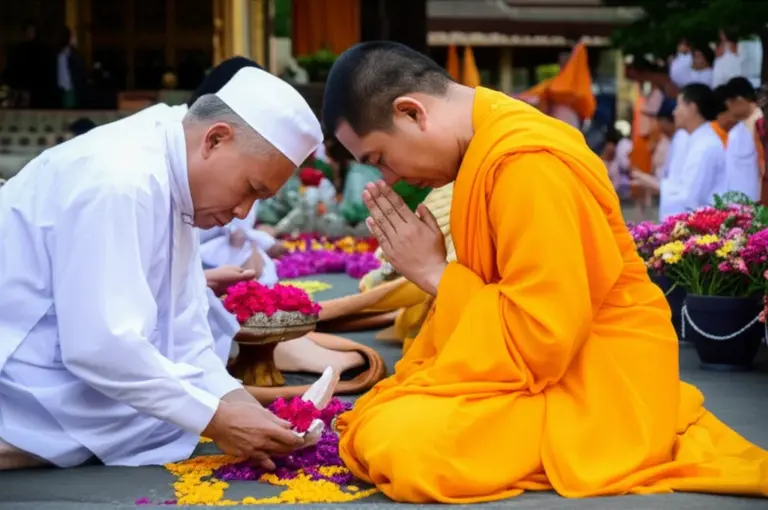
Buddhist festivals in Indonesia are vibrant expressions of faith, often centered around significant historical and spiritual sites. The most renowned is the annual Waisak (Vesak) celebration at Borobudur Temple, the world’s largest Buddhist temple, located in Central Java. This event commemorates the birth, enlightenment, and passing of Gautama Buddha. Thousands of monks and devotees from around the world gather for solemn rituals, meditations, and the iconic release of lanterns into the night sky, symbolizing light and enlightenment [6]. These festivals are deeply personal and communal events, rooted in centuries of tradition and spiritual devotion.
The Core Principle: Respect and Mindfulness
At the heart of participating in any Buddhist festival is the principle of respect (dana) and mindfulness (sati). This translates into being aware of your surroundings, understanding the sacredness of the occasion, and ensuring your actions do not disrupt the spiritual atmosphere for others. It’s about being an observer, not a participant, unless explicitly invited, and always with a humble and open heart. Your presence should enhance, not detract from, the spiritual solemnity of the event.
Do’s for Respectful Behavior
Key Behavioral Guidelines
Adhering to these practices will ensure you show proper reverence during Buddhist festivals:
- Speak Softly: Maintain a low voice, especially near altars, meditation areas, or during ceremonies. Loud conversations can disturb devotees.
- Observe from a Distance: Give ample space to monks and worshippers. Do not interrupt rituals or prayer sessions.
- Ask Permission for Photos: Always ask for permission before taking photographs of individuals, especially monks or during sensitive moments. Avoid flash photography.
- Remove Shoes: Before entering temples or sacred areas, remove your shoes and leave them at the designated spot.
- Be Mindful of Sacred Objects: Do not touch statues of Buddha, altars, or offerings unless explicitly invited to do so.
- Sit Respectfully: When sitting in front of a Buddha image or monk, avoid pointing your feet towards them. Sit with your legs tucked to the side or crossed.
Do’s for Appropriate Dress Code
Your attire reflects your respect for the sacredness of the site and the local customs. Modesty is key when considering the Respectful Behavior and Dress Code: Do’s and Don’ts to Honor Buddhist Practices During the Festival.
| Item | Guideline |
|---|---|
| Shoulders & Knees | Always keep your shoulders and knees covered. Long pants, skirts, or sarongs are appropriate. |
| Modest Clothing | Opt for loose-fitting, non-revealing clothing. Avoid transparent or overly tight garments. |
| Footwear | Wear comfortable shoes that are easy to slip on and off, as you will need to remove them frequently. |
| Cleanliness | Ensure your clothes are clean and tidy, reflecting the purity of the environment. |
Don’ts for Behavior
Actions to Avoid
These behaviors are considered disrespectful and should be strictly avoided:
- Loud Talking/Disruptive Behavior: Refrain from shouting, laughing loudly, or engaging in any behavior that creates noise or draws undue attention.
- Pointing Feet: Never point your feet at Buddha statues, monks, or other people, as feet are considered the lowest and least clean part of the body.
- Public Displays of Affection: Avoid intimate gestures such as kissing or hugging in public, especially within temple grounds.
- Touching Without Permission: Do not touch monks, their robes, or sacred objects without explicit invitation. Women should generally avoid touching monks.
- Eating/Drinking Inside Sacred Areas: Consume food and beverages only in designated areas, not within prayer halls or near altars.
Don’ts for Dress Code
To uphold the spiritual ambiance, certain clothing choices are best avoided during Buddhist festivals.
- Shorts, Mini-skirts, Tank Tops: Any clothing that exposes shoulders, upper arms, or knees is inappropriate.
- Revealing Clothing: Avoid low-cut tops, sheer fabrics, or anything that might be considered provocative.
- Offensive Graphics: Clothes with offensive language, symbols, or images should not be worn.
- Messy/Dirty Clothes: Ensure your attire is clean and presentable, reflecting respect for the sacred site.
General Tips for Tourists in Indonesia
Beyond Buddhist festivals, general cultural sensitivity enriches your entire travel experience in Indonesia:
- Learn Basic Phrases: A few words in Bahasa Indonesia (e.g., terima kasih – thank you, permisi – excuse me) can go a long way.
- Use Your Right Hand: In many Asian cultures, the left hand is considered unclean. Use your right hand when giving or receiving items, or shaking hands.
- Bargain Respectfully: If you are in a market where bargaining is common, do so politely and with a smile.
- Support Local Communities: Opt for local guesthouses, restaurants, and tour operators to contribute directly to the local economy.
- Stay Hydrated: Indonesia’s tropical climate can be intense. Drink plenty of water.
คำถามที่พบบ่อย (FAQ)
Conclusion
Visiting Indonesia’s Buddhist festivals offers an unparalleled glimpse into a rich spiritual heritage. By adhering to the guidelines for Respectful Behavior and Dress Code: Do’s and Don’ts to Honor Buddhist Practices During the Festival, you not only ensure a positive personal experience but also contribute to the preservation of cultural integrity and foster genuine cross-cultural understanding. Your mindful presence is the greatest tribute you can offer.