Best Rinjani Trek Routes Explained — Which Trail Suits Your Experience and Timeframe
- Best Rinjani Trek Routes Explained — Which Trail Suits Your Experience and Timeframe
Mount Rinjani, an active volcano soaring 3,726 meters above sea level on the island of Lombok, is one of Indonesia’s most challenging and rewarding trekking destinations. The journey to its summit or its stunning crater rim overlooking the turquoise Segara Anak lake is an experience that draws adventurers from across the globe. However, choosing the right path is crucial for a successful and enjoyable trek. This comprehensive guide will provide the Rinjani Trek Routes Explained, detailing the key differences between the main trails—Sembalun, Senaru, and Torean—to help you determine which one perfectly suits your fitness level, experience, and available timeframe. Preparing for this monumental climb involves understanding the terrain, the required duration, and the unique highlights of each route.
The Three Official Gates: Understanding the Main Rinjani Trek Routes
Since the 2018 Lombok earthquake, the trails have been carefully restored. Trekkers today have three main official routes, each offering a distinct experience in terms of scenery, difficulty, and primary goal.
The Sembalun Route: The Summit Challenger
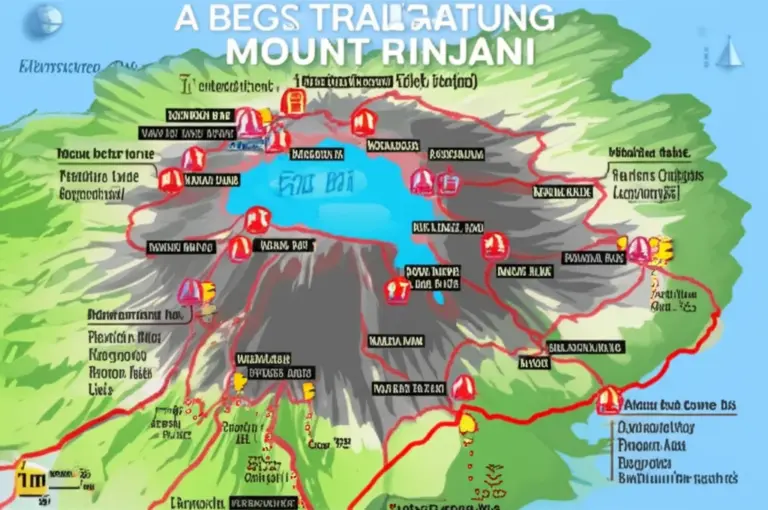
Starting at a higher elevation of 1,100 meters, the Sembalun route is the most popular choice for those aiming to conquer the 3,726-meter summit. The initial section traverses wide, beautiful savanna grasslands, offering panoramic views but little shade—requiring diligence with sun protection. The trail is known for the infamous “Hills of Regret” and a final, grueling climb on loose volcanic sand to reach the Sembalun Crater Rim (2,639m). This route provides the most direct access to the summit, making it the preferred choice for a 3-day/2-night summit attempt.
- Highlight: Best and most direct access to the Rinjani summit.
- Terrain: Open savanna, steep final ascent on loose scree.
- Typical Duration: 3 Days / 2 Nights (for the summit).
The Senaru Route: The Crater Rim Experience
The Senaru route begins at a lower altitude (600 meters) and plunges immediately into a dense, shaded tropical rainforest. This initial phase is significantly steeper and can be slippery when wet, but the jungle canopy provides a welcome respite from the sun. The Senaru route is ideal for trekkers who prioritize the stunning views from the Senaru Crater Rim (2,641m) and the experience of trekking through lush jungle, rather than reaching the main summit. It is often chosen for shorter, 2-day/1-night treks focused solely on the crater rim and the scenic descent.
- Highlight: Lush rainforest, high chance of seeing wildlife, spectacular sunset views from the Senaru Crater Rim.
- Terrain: Dense rainforest, steep and rocky start.
- Typical Duration: 2 Days / 1 Night (Crater Rim only).
The Torean Route: The Scenic Alternative
The Torean route is the wildest and most remote of the three main options, often utilized by locals and more experienced adventurers. It is less about the summit and more about the journey to the Segara Anak lake and the natural hot springs. The trail is challenging, featuring dramatic landscapes, river crossings, cliffs, and the beautiful Penimbungan Waterfall. Due to its technical nature, the Torean trail is generally recommended for experienced trekkers and is a fantastic choice for a scenic descent after a summit attempt from Sembalun, completing a full circuit.
- Highlight: Segara Anak Lake, natural hot springs, Penimbungan Waterfall.
- Terrain: Rugged, technical sections, river crossings.
- Typical Duration: 3 Days / 2 Nights (focus on the lake).
Comparing Rinjani Trekking Packages and Duration
The length of your trek will significantly influence the route you take and what you will experience. All packages require a licensed guide and porters, ensuring safety and comfort on this challenging mountain.
| Duration | Primary Goal | Recommended Route/Circuit | Difficulty |
|---|---|---|---|
| 2 Days / 1 Night | Crater Rim Experience | Senaru start / Senaru end | Challenging |
| 3 Days / 2 Nights | Summit & Lake | Sembalun start / Senaru end (Most popular) | Very Challenging |
| 4 Days / 3 Nights | Full Expedition | Sembalun start / Torean end or Full Circuit | Extreme |
Which Rinjani Trek Route is Right for You?
Choosing the correct path is paramount to enjoying your adventure. Consider your goals, your physical preparation, and the total time you have available for your Indonesian tourism experience.
For the Experienced Hiker & Summit Seeker
If your primary goal is to stand on the 3,726m summit of Mount Rinjani, the Sembalun Route is your best option. It offers the most direct path, allowing you to save energy for the final, brutal summit push. A 3-day/2-night trek starting in Sembalun and exiting via Senaru is the classic, recommended circuit for the full experience, balancing the summit challenge with the scenic descent through the jungle.
For the Time-Constrained Traveler
If you only have two days and are not interested in the summit, the Senaru Route is perfect. The 2-day/1-night trek to the Senaru Crater Rim provides a breathtaking view of the entire caldera, the lake, and the summit without the need for the exhausting pre-dawn climb. It’s an ideal way to experience the beauty of Rinjani National Park in a shorter timeframe.
For the Nature & Scenery Enthusiast
For those who appreciate lush, shaded trails, the Senaru Route offers the most rewarding jungle experience. If you are an experienced trekker looking for an alternative path to the lake and hot springs, consider incorporating the Torean Route into your itinerary, perhaps as a unique and scenic exit trail.
Essential Tips for Your Rinjani Adventure
A successful Rinjani trek requires meticulous planning. Remember that hiring a licensed guide is mandatory, and it is crucial to book with a reputable operator who adheres to the “Leave No Trace” principles.
See the Trek in Action:
To visualize the challenging terrain and breathtaking views, watch this video detailing the popular 3-day/2-night circuit:
Location Overview:
Mount Rinjani is located on the island of Lombok, West Nusa Tenggara, Indonesia. Below is the general location of the National Park:
คำถามที่พบบ่อย (FAQ)
Is trekking Mount Rinjani difficult?
Yes, Mount Rinjani is considered a very challenging trek, even for experienced hikers. The steep elevation gain, the difficult terrain (especially the loose volcanic sand on the summit push), and the exposure to extreme weather conditions (hot days, freezing nights) require a good level of physical fitness and mental preparation. The difficulty varies by route, with the Sembalun route being the toughest due to the summit attempt.
Which Rinjani route is best for reaching the summit?
The Sembalun Route is universally considered the best and most direct route for reaching the summit of Mount Rinjani (3,726m). Most summit packages utilize a 3-day/2-night circuit that starts in Sembalun and descends via Senaru.
What is the best time of year to trek Mount Rinjani?
The best time to trek Mount Rinjani is during the dry season, which typically runs from April to December. The park is generally closed for safety reasons during the peak of the rainy season, from January 1st to March 31st.
Is a guide mandatory for the Rinjani trek?
Yes, all visitors to Mount Rinjani National Park are legally required to hire a licensed guide and porters through an official trekking operator. This is for safety, park conservation, and to support the local economy.
References
- Complete Guide to Mount Rinjani’s Best Trekking Routes
- Rinjani Trekking Route Guide to – Sembalun, Senaru & Torean
- Which Trek Route Is Best for Climbing Mount Rinjani: Sembalun or Senaru?
- Rinjani Trek Planner: Complete Guide to Routes, Fitness Preparation, Essential Gear, and Post-Eruption Safety Updates
- Fitness Training Plan for Rinjani — How to Prepare Physically and Mentally for the Ascent
- Essential Gear and Packing Checklist for Rinjani Trekkers — What to Bring for Comfort and Safety