Ubud for Art Lovers: Ultimate Guide to Museums, Dance Performances, and Artist Villages in Bali
- Ubud for Art Lovers: Ultimate Guide to Museums, Dance Performances, and Artist Villages in Bali
Welcome to Ubud, the spiritual and cultural heart of Bali. For those whose passion lies in creativity, tradition, and history, embarking on a journey to Ubud is essential. This definitive guide is crafted specifically for the discerning traveler and helps you explore Ubud for Art Lovers, covering everything from world-class museums housing priceless Balinese masterpieces to the mesmerizing choreography of traditional dance performances and the vibrant energy of the artist villages where creativity thrives.
The Heart of Balinese Art: Essential Museums in Ubud
Ubud’s museums are not dusty relics of the past; they are living galleries that tell the story of Bali’s evolution through color, texture, and form. To truly appreciate the depth of Balinese creativity, these institutions are mandatory stops.
Agung Rai Museum of Art (ARMA)
ARMA is perhaps the most comprehensive cultural center in Ubud. It is more than just a museum; it is a space dedicated to preserving and developing Balinese art and culture. The collection ranges from traditional to contemporary paintings, including works by foreign artists who lived in Bali. The grounds themselves are stunning, featuring traditional Balinese architecture and rice fields.
Neka Art Museum
Founded by Suteja Neka, a prominent art collector, the Neka Art Museum offers a beautiful chronological journey through Balinese art. It is particularly known for its collection showcasing the evolution of Balinese painting styles, from the classical Kamasan style to modern Indonesian works and the Bali International section, which features expatriate artists.
Museum Puri Lukisan (Palace of Paintings)
Situated right in the center of town, Museum Puri Lukisan focuses specifically on modern traditional Balinese painting and wood carving. It was established in 1956 and is crucial for understanding the Pitamaha Art Guild, which championed the modernization of Balinese art while maintaining its unique spiritual essence.
Captivating Rhythms: Traditional Balinese Dance Performances
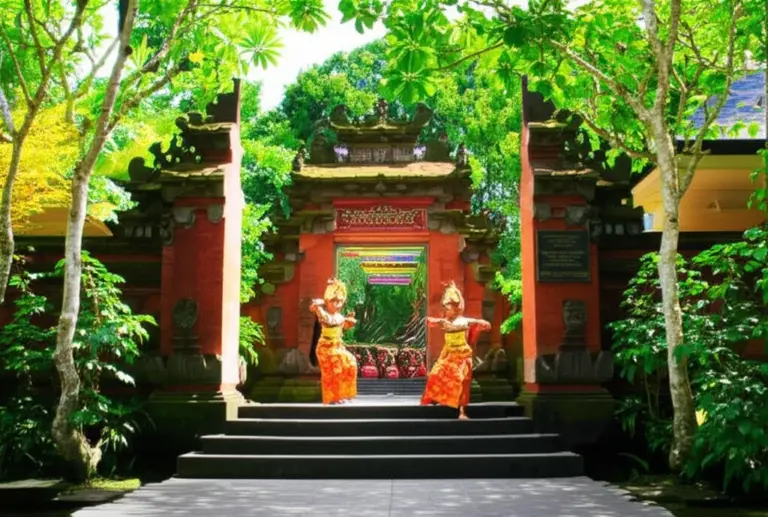
Balinese dance is a physical manifestation of Hindu mythology and spiritual devotion. Every movement, from the flick of the fingers to the intense eye contact, carries deep meaning. Witnessing a performance is an unforgettable cultural immersion.
Legong Dance
Often considered the most visually graceful and technically demanding Balinese dance. Performed by young girls, the Legong tells stories of ancient kingdoms, performed with intricate gold costumes and elaborate headpieces. Look for performances at the Ubud Palace (Puri Saren Agung).
Kecak Fire Dance
A dramatic spectacle involving a circle of 100 men chanting ‘cak-cak-cak’ to create a stunning, rhythmic soundscape. It typically depicts a scene from the Ramayana epic. The Kecak is usually performed at sunset in open-air venues, often incorporating fire.
Experience the hypnotic beauty of traditional Balinese choreography:
Journey into Creativity: Ubud’s Famous Artist Villages
The energy that fuels Ubud’s art scene originates in the surrounding villages, where skills are passed down through generations. These villages specialize in specific crafts, making them perfect destinations for sourcing authentic Balinese artistry.
| Village Name | Primary Art Focus | What to Expect |
|---|---|---|
| Penestanan Village | Contemporary Painting & Workshops | A hub for young, modern artists. Ideal for finding abstract art and participating in painting classes. |
| Mas Village | Wood Carving | Renowned for intricate wood sculptures, often depicting Hindu deities, masks, and mythological figures. Galleries offer live carving demonstrations. |
| Celuk Village | Gold and Silver Smithing | Located slightly further south, Celuk is the epicenter for exquisite Balinese jewelry, known for its intricate filigree work. |
Immersive Art Experiences and Workshops
Why just observe when you can participate? Ubud for Art Lovers offers numerous opportunities to get hands-on experience and learn ancient techniques directly from masters. This is a chance to create your own souvenir and deepen your appreciation for Indonesian craftsmanship.
Balinese Painting Classes
Learn the unique Balinese styles, which often involve using natural pigments and focusing on detailed line work and spiritual themes. Many artists in Penestanan offer personalized lessons in their home studios.
Batik and Weaving Workshops
Discover the art of Batik, where wax is used to resist dye, creating complex patterns on fabric. Several studios near Ubud offer half-day workshops where you can create your own textile masterpiece.
Planning your route to these creative hubs is simple. Most artist villages are easily accessible by scooter or taxi from central Ubud.
Planning Your Cultural Trip
To maximize your cultural immersion, consider these tips:
- Etiquette: When visiting temples or attending formal dance performances, ensure you dress respectfully, covering shoulders and knees (a sarong is usually required and often provided).
- Timing: Dance performances typically start in the early evening (7:00 PM onwards). Purchase tickets in advance, especially for popular venues like the Ubud Palace.
- Support Local: Negotiating prices is common, but remember that buying art directly supports the local Indonesian community and preserves these invaluable traditions.
คำถามที่พบบ่อย (FAQ)
Q: What is the best time to visit Ubud’s art museums?
A: Most museums are open daily from 9 AM to 5 PM. Visiting early in the morning helps avoid crowds, especially during peak season and allows for a more reflective viewing experience.
Q: Where is the most famous place to see the Kecak dance in Ubud?
A: While many temples host performances, the most accessible and famous location is often the Ubud Royal Palace (Puri Saren Agung) or Pura Dalem Ubud. Check local schedules upon arrival as venues rotate performances nightly.
Q: Can I buy art directly from the artists in the villages?
A: Yes, absolutely. Buying directly from villages like Penestanan or Mas often allows for better pricing and the valuable opportunity to meet the creator, directly supporting local Indonesian artists and ensuring the authenticity of the piece.
Q: Is Ubud suitable for children interested in art?
A: Definitely. Many museums, especially ARMA, have expansive grounds and offer children’s activities. Furthermore, the hands-on workshops (like batik making or simple painting) are excellent for engaging young minds in creativity.
References
Agung Rai Museum of Art Official Website
Neka Art Museum Collection Overview
- Why Ubud Is Bali’s Cultural Heart: Overview of Art Scenes, Best Times To Visit, and How To Plan Your Trip
- Top Museums and Galleries in Ubud: What to See, Ticket Tips, and Must-see Collections for Art Enthusiasts
- Traditional Dance and Performance Calendar: Where to Experience Legong, Kecak, and Contemporary Shows in Ubud