Why Ubud Is Bali’s Cultural Heart: Overview of Art Scenes, Best Times to Visit, and How to Plan Your Trip
- Why Ubud Is Bali’s Cultural Heart: Overview of Art Scenes, Best Times to Visit, and How to Plan Your Trip
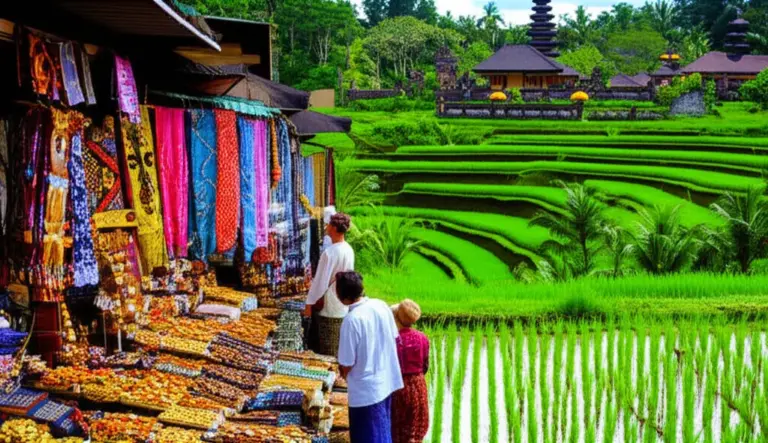
Nestled among emerald rice paddies and steep ravines in the central foothills of Bali, Ubud is more than just a destination; it is a spiritual and artistic sanctuary. For centuries, this region has served as the island’s core, a place where traditional Balinese culture thrives undisturbed by the coastal rush. If you seek authenticity, tranquility, and profound artistic expression, understanding Ubud is Bali’s Cultural Heart is the first step in planning your journey. This comprehensive guide will explore its defining art scenes, help you determine the optimal time for your visit, and provide the essential blueprint for your trip.
The Ubud Difference
Ubud adheres strongly to the Balinese philosophy of Tri Hita Karana (harmony between people, nature, and God), which permeates every aspect of life, from architecture to daily rituals, making it profoundly different from the beach resorts of the south.
The Essence of Ubud: Why It Earned the Title “Bali’s Cultural Heart”
The moniker “Cultural Heart” is not merely a marketing term; it reflects a historical reality. Unlike Kuta or Seminyak, which developed rapidly due to tourism, Ubud’s cultural significance predates modern travel. It was here, in the 1930s, that European artists like Walter Spies and Rudolf Bonnet settled, collaborating with local royalty and traditional artists to develop a modern Balinese art movement.
Spiritual and Philosophical Roots
Ubud is inherently tied to spirituality. The town’s name is derived from the Balinese word ubad, meaning medicine, referencing the abundance of medicinal plants in the area. It is a center for healing, yoga, meditation, and traditional Balinese Hinduism. Temples like the spectacular Tirta Empul (Holy Water Temple) remain pivotal sites for purification rituals and communal worship, offering visitors a window into the island’s deep faith.
A Sanctuary for Artists
The Pita Maha movement, founded by Tjokorda Gde Agung Sukawati and foreign artists, aimed to preserve the artistic integrity of Balinese art against commercialization. This legacy ensures that art remains deeply rooted in local mythology, nature, and spirituality, rather than purely catering to tourist demands. This makes the art you encounter in Ubud authentic and meaningful.
Immersing Yourself in Ubud’s Vibrant Art Scenes
The artistic landscape of Ubud extends far beyond canvases and sculptures. It is woven into the daily rhythm, from the intricate offerings (canang sari) left on sidewalks to the architecture of even the smallest guest house.
Traditional Arts: Dance and Music
No trip to Ubud is complete without witnessing a traditional Balinese dance performance. These dances, such as the dramatic Legong or the energetic Barong, are not merely entertainment; they are sacred narratives, often performed in temple courtyards accompanied by the hypnotic sounds of the Gamelan orchestra. Key venues include the Ubud Palace (Puri Saren Agung) and local community halls.
Visual Arts: Painting and Sculpture
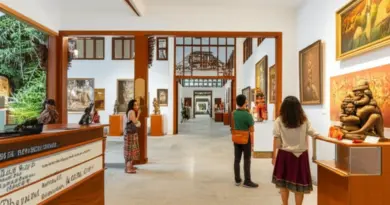
Ubud is home to several world-class museums dedicated to preserving and showcasing Balinese artistic evolution. The Neka Art Museum offers a comprehensive historical overview, while the Agung Rai Museum of Art (ARMA) combines art galleries with cultural performances and beautiful gardens. For contemporary arts and crafts, the bustling Ubud Art Market is a must-visit, though careful bargaining is advised.
Craftsmanship and Workshops
The villages surrounding Ubud specialize in specific crafts. Mas is known for wood carving, Celuk for silver and gold jewelry, and Batuan for its distinct style of painting. Visitors can participate in workshops to learn batik printing, traditional cooking, or silver-making, providing a hands-on connection to the culture.
Visualizing Ubud’s Beauty
A short guide to the essential sights and sounds of Ubud, Bali.
Bali experiences two primary seasons: the Dry Season and the Wet Season. Determining the best time for your visit depends on your tolerance for heat, rain, and crowds.
| Season | Months | Conditions & Crowds | Ideal For |
|---|---|---|---|
| Dry (Peak) | April to October | Sunny, low humidity, highest hotel prices, most crowded. | Hiking, outdoor activities, long days of sightseeing. |
| Shoulder | April, May, September, October | Perfect balance of weather and fewer crowds. | Best value and experience. |
| Wet (Low) | November to March | High humidity, frequent short downpours, lower prices. | Spiritual retreats, spa treatments, indoor workshops. |
Events and Festivals
If your trip coincides with major cultural events, the experience is enriched. The Ubud Writers & Readers Festival (typically October) attracts international literary talent, while Nyepi (Balinese New Year, usually March) offers a unique day of silence across the island, though travel is restricted.
Planning Your Perfect Ubud Trip: Essential Tips
While Ubud is relatively compact, the best experiences often lie slightly outside the main town center, requiring careful planning for transportation and itinerary structure. A 3 to 5-day stay is generally recommended to fully absorb the area’s offerings.
Getting There and Around
Ubud is about 90 minutes to two hours north of Ngurah Rai International Airport (DPS). The most stress-free way to reach Ubud is via a pre-booked private driver. Once in town, walking is manageable, but for exploring surrounding areas like the Tegalalang Rice Terraces or distant temples, hiring a scooter (if experienced) or a local driver for the day is essential. Ride-sharing apps are often restricted in the central area.
Must-See Attractions
- Tegalalang Rice Terraces: Iconic UNESCO World Heritage landscape, best visited early morning for beautiful light.
- Campuhan Ridge Walk: A gentle, scenic paved walk through green hills, ideal for sunset or sunrise.
- Sacred Monkey Forest Sanctuary: A natural reserve and temple complex home to hundreds of long-tailed macaques (be vigilant with personal belongings).
- Yoga and Wellness: Ubud is renowned for its world-class yoga studios and traditional Balinese massage spas.
Accommodation Styles
Accommodation ranges from luxurious cliffside resorts overlooking the jungle (ideal for honeymooners) to charming, budget-friendly homestays managed by local families. Staying slightly outside the center, perhaps in Penestanan or Sayan, offers more tranquility and better views of the rice fields.
Ubud Location Map
คำถามที่พบบ่อย (FAQ)
Yes, Ubud is generally considered very safe for solo female travelers. The local Balinese people are incredibly welcoming and respectful. Standard precautions regarding walking alone late at night and securing valuables should always be observed.
To truly experience the cultural sites, natural beauty, and wellness activities, 3 to 5 days is the ideal amount of time. This allows for day trips to rice terraces and temples without rushing the experience.
A pre-booked private driver or hotel transfer is the most convenient and comfortable option, costing around 350,000 to 500,000 IDR (approx. $22–$32 USD). Taxis are also available but pre-arranging transport avoids potential airport negotiations.
The monkeys are wild and can be cheeky. They are generally not aggressive unless provoked or if they associate you with food. Avoid eye contact, do not carry loose items, and never feed them outside of authorized zones to ensure a safe visit.
References
- Indonesia Travel Official Guide to Ubud
- Ubud Writers & Readers Festival Information
- History of the Pita Maha Art Movement
- Ubud for Art Lovers: Ultimate Guide to Museums, Dance Performances, and Artist Villages in Bali
- Top Museums and Galleries in Ubud: What to See, Ticket Tips, and Must-see Collections for Art Enthusiasts
- Traditional Dance and Performance Calendar: Where to Experience Legong, Kecak, and Contemporary Shows in Ubud