Traditional Dance and Performance Calendar: Where to Experience Legong, Kecak, and Contemporary Shows in Ubud
- Traditional Dance and Performance Calendar: Where to Experience Legong, Kecak, and Contemporary Shows in Ubud
Ubud, nestled among emerald rice paddies and sacred monkey forests, is more than just a destination; it is the spiritual and cultural nexus of Bali. For those focusing on Indonesia Tourism, understanding the performing arts calendar is crucial, as traditional dances are not mere shows—they are living history, religious devotion, and community storytelling. When planning your visit, securing a spot for Ubud Traditional Dance Performances should be high on your priority list, offering an authentic glimpse into the island’s rich artistic heritage.
The Heart of Balinese Culture: Essential Dance Forms
Unlike commercialized tours, Balinese performances often adhere to community schedules, sometimes changing based on local festivals (Odalan). However, several key dances maintain consistent weekly routines in central Ubud, making it easier for visitors to plan.
Legong Dance: Grace, Royalty, and Intricate Movement
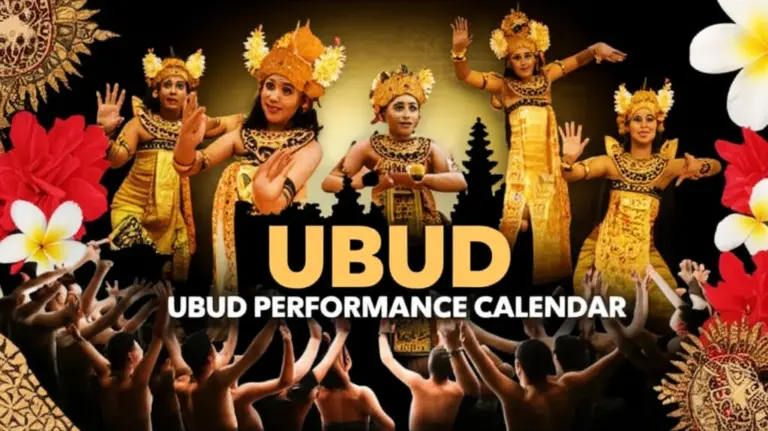
The Legong is arguably the most visually stunning and technically demanding classical dance. Historically performed only for royalty, it features young girls adorned in elaborate costumes and gilded headdresses, enacting tales of ancient Javanese kingdoms. The grace, precision, and synchronized eye movements (seledet) are breathtaking. The most common story is the Legong Keraton (Dance of the Royal Palace).
Kecak Dance: The Mesmerizing Fire and Chant Ritual
The Kecak is perhaps the most famous Balinese performance, known as the ‘Monkey Chant Dance.’ Unlike other dances, it features no instruments, relying solely on a chorus of 50 to 150 bare-chested men chanting ‘chak-a-chak-a-chak’ while moving rhythmically. It tells the epic story of the Ramayana, culminating in a dramatic fire scene. While the Uluwatu Kecak is famous for its sunset backdrop, the Ubud Traditional Dance Performances of Kecak are often more intimate and focused on the ritualistic aspects.
Barong and Kris Dance: The Eternal Battle
The Barong is a creature of mythology, representing Good, constantly battling the demon queen Rangda (Evil). This performance is highly spiritual and often features dancers entering a trance state, using the sacred kris dagger to stab themselves without injury. This dance is usually performed in the mornings to allow time for the ritualistic elements.
Performance Venues and Weekly Calendar Highlights
Ubud’s performances are distributed across various royal palaces (Puri) and community temples (Pura). Here is a general guide to the most reliable venues for experiencing traditional Balinese culture.
| Venue | Typical Performance Night(s) | Featured Dance |
|---|---|---|
| Puri Saren Agung (Ubud Palace) | Monday, Wednesday, Saturday | Legong, Barong, Ramayana Ballet |
| Pura Dalem Taman Kaja | Wednesday, Saturday | Kecak Dance, Fire Dance |
| Pura Saraswati (Water Palace) | Tuesday, Thursday | Legong of Wisdom, Classical Dances (Beautiful setting over the lotus pond) |
| Puri Agung Peliatan | Friday | Gamelan and Legong performances |
The Royal Stage: Puri Saren Agung (Ubud Palace)
Located right in the center of Ubud, the Ubud Palace is the most accessible and popular venue. It hosts world-class troupes several nights a week, with performances typically starting around 7:30 PM or 8:00 PM. Attending a show here combines architectural splendor with artistic mastery.
The Ritualistic Setting: Pura Dalem Taman Kaja
For a more raw and powerful experience of the Kecak dance, performances held in village temples like Pura Dalem Taman Kaja offer an authentic atmosphere, surrounded by traditional Balinese architecture and the sounds of the night.
Beyond Tradition: Contemporary Balinese Shows
While the classical dances form the core of the Ubud Traditional Dance Performances scene, the area is also a thriving center for innovation. Venues like the Agung Rai Museum of Art (ARMA) occasionally host modern interpretations of Balinese myths, fusion dance, or experimental theater. These contemporary shows demonstrate how Balinese artists are preserving their roots while engaging with global artistic trends, offering a fresh perspective for repeat visitors or art enthusiasts.
Witness the intense energy and synchronized chanting that define the Kecak performance:
Practical Tips for Attending a Show
- Timing is Key: Most performances start between 7:00 PM and 8:00 PM. Arrive at least 30 minutes early to secure good seating, especially for the popular shows at Ubud Palace.
- Tickets: Tickets are typically purchased directly at the venue gate earlier in the day or just before the show. Prices usually range from IDR 100,000 to IDR 150,000.
- Dress Code & Comfort: While there is no strict dress code for spectators, it is respectful to dress modestly, especially if the performance is held inside a temple courtyard. Bring mosquito repellent, as shows are held outdoors in the evening.
- Photography: Photography is generally allowed, but be mindful of using flash, as it can distract the performers and ruin the atmosphere for others.
By utilizing this performance calendar and understanding the cultural significance of each dance, travelers can maximize their experience in Ubud, ensuring their journey into Indonesia’s cultural landscape is both rich and unforgettable.
คำถามที่พบบ่อย (FAQ)
References
- Ubud Community Dance Schedule Information
- History and Significance of the Legong Dance
- Official Indonesia Tourism Guide to Balinese Arts
- Ubud for Art Lovers: Ultimate Guide to Museums, Dance Performances, and Artist Villages in Bali
- Why Ubud Is Bali’s Cultural Heart: Overview of Art Scenes, Best Times To Visit, and How To Plan Your Trip
- Top Museums and Galleries in Ubud: What to See, Ticket Tips, and Must-see Collections for Art Enthusiasts