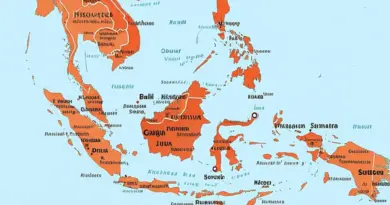
Overview of Pelni Ferry Network and How to Choose the Right Route for Your Indonesian Island Journey
Indonesia, the world’s largest archipelago, comprises over 17,000 islands. Connecting this vast, sprawling nation is a monumental task, and at the heart of this connectivity lies the state-owned shipping company, PT Pelni (Pelayaran Nasional Indonesia). For travelers seeking an authentic and cost-effective way to experience Indonesia’s diverse landscapes and cultures, understanding the Pelni Ferry Network is essential. This guide provides an expert overview of the system and practical advice on choosing the optimal route for your Indonesian island journey.
What is the Pelni Ferry Network?
The Pelni Ferry Network operates dozens of large passenger ships that traverse the Indonesian seas, following fixed schedules that can span thousands of kilometers. These ships are not just transport; they are floating communities, offering a glimpse into the daily life of Indonesians traveling between major hubs like Jakarta, Surabaya, Makassar, and smaller ports in the eastern islands. The ships are massive, capable of carrying hundreds, sometimes thousands, of passengers, along with substantial cargo.
A Lifeline Across the Archipelago
The routes covered by Pelni are extensive, linking the west (Sumatra, Java) to the far east (Papua, Maluku). While air travel has become more prevalent, Pelni remains the most affordable and often the only logistical option for inter-island travel, particularly for long-haul journeys (which can last several days). Knowing the principal routes allows travelers to stitch together complex island-hopping itineraries that would be impossible using only short-haul flights.
The fleet typically includes modern vessels alongside older, refurbished ships. All are generally maintained to safety standards, though comfort levels vary significantly depending on the class of travel chosen.
Choosing the right Pelni route requires careful planning, as schedules are often published monthly and are subject to change based on weather and operational demands. The key is to identify the major maritime hubs that serve as connection points.
Key Hubs and Major Routes
- Jakarta (Tanjung Priok): The main western hub, connecting to Sumatra, Kalimantan, and the beginning of the eastern routes.
- Surabaya (Tanjung Perak): A central hub, crucial for connecting Java to Sulawesi, Borneo, and the Lesser Sunda Islands (Bali, Lombok, Flores).
- Makassar (South Sulawesi): The gateway to Eastern Indonesia, providing access to remote areas like the Maluku Islands and Papua.
When planning your journey, look for direct routes if possible, but be prepared for layovers in major ports. For example, a journey from Java to Papua might require a transfer in Makassar or Ambon.
Understanding Pelni Schedules and Frequency
Pelni ships typically follow a cyclical route, meaning they visit the same set of ports on a rotation, often taking two to four weeks to complete a full circuit. This means that a specific ship might only arrive at your desired port once or twice a month. It is critical to consult the official Pelni schedule (often available online or via their application) well in advance.
To get a better sense of what travel on the Pelni network is like, check out this video overview detailing the experience of navigating Indonesia’s waters.
Practical Guide to Booking and Travel Classes
Ticket Booking Methods (Online vs. Port)
While historically tickets were only purchased at the port, Pelni has modernized its booking system. Travelers can now book tickets online through the official Pelni website or designated third-party apps. Booking online is highly recommended, especially for popular routes or higher classes, as it guarantees a spot and allows you to plan ahead.
| Method | Pros | Cons |
|---|---|---|
| Online Booking | Convenience, guaranteed spot, check availability easily. | Requires a stable internet connection, payment restrictions (sometimes). |
| Port/Agent Booking | Good for last-minute changes, better for complex payments. | Long queues, higher risk of being sold out, potential for price markups by agents. |
Deciphering Pelni Travel Classes
Pelni ferries offer several classes, ranging dramatically in price and comfort. Your choice should depend on your budget, the duration of the trip, and your tolerance for crowded conditions.
- Class 1 (First Class): Offers private cabins, typically with two beds, air conditioning, private bathroom, and sometimes a television. This is the most comfortable and quiet option.
- Class 2 (Second Class): Offers shared cabins with four or six bunks, usually still air-conditioned, but bathrooms are often shared.
- Economy Class (Kelas Ekonomi): This is the most common and budget-friendly option. Passengers sleep in large, communal dormitories, often with bunks stacked three high. Space is tight, and while the area is air-conditioned, it can become very crowded. This class provides the most authentic, albeit challenging, travel experience.
For journeys exceeding 24 hours, investing in Class 1 or 2 is often worthwhile for the privacy and guaranteed sleeping space.
Tips for a Successful Pelni Journey
Preparation is key to enjoying your long-haul maritime adventure. Here are a few essential tips for travelers utilizing the Pelni Ferry Network:
- Food and Water: While meals are provided (included in the ticket price, especially for Economy), they are basic. Bring your own snacks, instant noodles, and plenty of bottled water. Vendors often sell food on board, but prices are inflated.
- Comfort Items: Even if you book a cabin, bring a sleeping bag liner, a small pillow, earplugs, and an eye mask. In Economy, these items are non-negotiable for a decent rest.
- Power Banks: Charging points can be scarce and highly contested, especially in Economy class. Ensure your devices are fully charged or carry a high-capacity power bank.
- Security: Always keep valuables secured, preferably locked or carried with you. Although the ferries are generally safe, crowded spaces require vigilance.
By understanding the scope and logistics of the Pelni system, travelers can confidently choose the routes and classes that best suit their island-hopping ambitions, turning a necessary transport method into a memorable part of their Indonesian adventure.
คำถามที่พบบ่อย (FAQ)
We answer some of the most common questions regarding travel on the Pelni Ferry Network.
References
Official PT Pelni Website (for schedules and booking)
Maritime Executive: Indonesia’s Ferry System
- Ferry Travel in Indonesia: Complete Guide to Pelni Routes, Cabin Classes, and Smart Booking Hacks for a Seamless Voyage
- Understanding Pelni Cabin Classes, Onboard Amenities, and Comfort Tips for Every Budget
- Step-by-Step Booking Guide: Where to Buy Pelni Tickets, Payment Options, and How to Score the Best Seats