Understanding KAI Seat Classes (Economy, Business, Executive) — Comfort, Facilities, and Fares Compared
- Understanding KAI Seat Classes (Economy, Business, Executive) — Comfort, Facilities, and Fares Compared
- The KAI Experience: A Journey Through Indonesia’s Railways
- Economy Class: Affordable Travel with Essential Comfort
- Business Class: A Step Up in Relaxation and Space
- Executive Class: Premium Comfort for Discerning Travelers
- Comparing KAI Seat Classes: At a Glance
- Choosing Your KAI Class: Tips for Travelers
- Enhancing Your KAI Journey
- คำถามที่พบบ่อย (FAQ)
For anyone planning to explore the breathtaking landscapes and vibrant culture of Indonesia, especially across Java, Kereta Api Indonesia (KAI) offers a reliable and scenic mode of transport. With its extensive network, KAI provides a unique way to witness the country’s beauty firsthand. But before you embark on your journey, it’s crucial to grasp the differences between KAI’s main seat classes: Economy, Business, and Executive. Each class offers a distinct level of comfort, facilities, and naturally, varying fares. This comprehensive guide aims to provide a clear understanding of KAI Seat Classes (Economy, Business, Executive), helping you choose the perfect option for your Indonesian adventure.
The KAI Experience: A Journey Through Indonesia’s Railways
KAI, the state-owned railway company, plays a pivotal role in connecting major cities and regions throughout Indonesia, particularly on the islands of Java and Sumatra. Traveling by train in Indonesia is not just about getting from point A to point B; it’s an immersive experience that allows you to soak in the stunning rice paddies, volcanic backdrops, and charming villages that define the archipelago. Over the years, KAI has significantly upgraded its services and infrastructure, making train travel an increasingly attractive option for both local and international tourists. The quality and efficiency of the trains often surprise first-time visitors, offering a comfortable and often more authentic alternative to air travel for domestic routes. [1, 2]
Economy Class: Affordable Travel with Essential Comfort
Economy Class, or Ekonomi, is KAI’s most budget-friendly option, designed for travelers who prioritize cost-effectiveness. While it’s the simplest class, it still provides a decent and generally clean travel experience, especially for shorter distances. Don’t expect luxury, but do expect a functional and authentic Indonesian journey.
Comfort & Seating
- Seating: Typically features a 3-2 or 2-2 configuration. Seats are often fixed, facing each other, or have very limited recline.
- Material: Seats are usually upholstered in a durable fabric, sometimes with minimal padding.
- Legroom: Legroom is adequate but can feel cramped on longer journeys, especially if the train is full.
Facilities & Amenities
- Air Conditioning: All KAI trains, including Economy, are air-conditioned, ensuring a relatively cool environment.
- Restrooms: Basic but functional squat or Western-style toilets are available in each carriage.
- Food & Beverages: Vendors frequently pass through selling snacks, instant noodles, and drinks. A dining car might also be available for more substantial meals at an additional cost.
- Power Outlets: Limited availability, often shared or located at the end of the carriage.
Fares
Economy class fares are significantly lower than other classes, making it ideal for budget travelers, students, or those undertaking short-distance trips. Prices can vary based on demand, route, and time of booking, but it remains the most economical choice. [1]
Business Class: A Step Up in Relaxation and Space
Business Class, or Bisnis, offers a noticeable upgrade from Economy, providing more space and comfort for a slightly higher price. It’s a popular choice for travelers seeking a balance between cost and a more relaxed journey.
Comfort & Seating
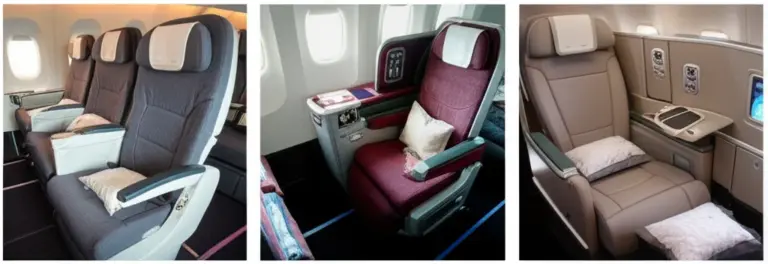
- Seating: Typically a 2-2 configuration, offering wider seats and more personal space. Seats can often be rotated to face the direction of travel, or have a greater recline than Economy.
- Material: Seats are generally better padded and upholstered, providing enhanced comfort.
- Legroom: Significantly more legroom compared to Economy, making it suitable for medium to long-distance travel.
Facilities & Amenities
- Air Conditioning: Well-maintained and effective air conditioning.
- Restrooms: Cleaner and often more modern restrooms than Economy, usually Western-style.
- Food & Beverages: A wider selection of food and drinks is usually available for purchase, often with a more organized trolley service.
- Power Outlets: More readily available, often at each seat or shared between two.
Fares
Business class fares are moderately higher than Economy but offer good value for the increased comfort and space, especially on journeys lasting several hours. [11]
Executive Class: Premium Comfort for Discerning Travelers
Executive Class, or Eksekutif, is KAI’s top-tier offering, providing the highest level of comfort, amenities, and service. It’s designed for travelers who seek a premium experience and are willing to pay more for a luxurious journey. This class is often compared to business class on an airplane. [2, 7, 8, 9]
Comfort & Seating
- Seating: Features a spacious 2-2 configuration with plush, ergonomic seats that recline significantly (up to 30 degrees) and often come with footrests. Many trains feature leather seats. [2, 7, 9]
- Material: High-quality upholstery, often leather, with ample padding for extended comfort.
- Legroom: Generous legroom, allowing passengers to stretch out comfortably, even on long routes. [2, 7, 9]
Facilities & Amenities
- Air Conditioning: Climate-controlled carriages ensure a consistently comfortable temperature.
- Restrooms: Very clean and well-maintained Western-style toilets, often with modern fittings. Some luxury trains even feature Japanese bidets. [2, 12]
- Food & Beverages: A wide menu of hot meals, snacks, and beverages is available for purchase, often served at your seat by dedicated attendants. Some services might include complimentary snacks or water. [2, 7, 9, 12]
- Power Outlets: Personal power outlets are typically available at each seat, sometimes including USB ports. [7, 9, 11]
- Entertainment: Some newer Executive trains offer personal entertainment systems or onboard Wi-Fi. [9]
- Lounge Access: For some routes and trains, Executive class tickets may include access to exclusive station lounges. [2, 12]
Fares
Executive class fares are the highest among the three, reflecting the superior comfort, space, and amenities provided. These tickets are best suited for travelers on long journeys, those who prioritize comfort above all else, or business travelers. Prices can range significantly depending on the route and time of booking, with some luxury options reaching prices comparable to domestic flights. [2, 7, 8]
Comparing KAI Seat Classes: At a Glance
| Feature | Economy Class | Business Class | Executive Class |
|---|---|---|---|
| Seating Configuration | 3-2 or 2-2, often fixed/minimal recline | 2-2, wider, moderate recline/rotatable | 2-2, plush, significant recline, footrest |
| Legroom | Adequate, can be cramped | Good, more spacious | Generous, ample space |
| Comfort Level | Basic, functional | Moderate, improved | High, premium |
| Air Conditioning | Yes | Yes | Yes, climate-controlled |
| Restrooms | Basic | Cleaner, Western-style | Modern, very clean, Western-style |
| Food/Beverage Service | Vendors, dining car for purchase | Trolley service, wider selection for purchase | At-seat service, extensive menu for purchase, sometimes complimentary items |
| Power Outlets | Limited/Shared | More available, often shared | Personal at each seat |
| Fares | Most affordable | Mid-range | Highest |
Choosing Your KAI Class: Tips for Travelers
The best KAI seat class for you depends largely on your budget, the length of your journey, and your personal preferences for comfort.
- For Budget Travelers or Short Trips (under 3 hours): Economy class is perfectly suitable. You save money and still get to experience Indonesian train travel.
- For Mid-Range Comfort or Longer Journeys (3-6 hours): Business class offers a great balance. The extra space and improved seating make a significant difference in comfort without breaking the bank.
- For Premium Experience or Long Haul Journeys (over 6 hours): Executive class is highly recommended. The superior comfort, dedicated service, and ample legroom will make your journey much more enjoyable, akin to a first-class flight experience. [2, 12]
Booking Tips: It’s advisable to book your KAI tickets in advance, especially during peak seasons or for popular routes, as tickets can sell out quickly. You can purchase tickets online through KAI’s official website, third-party travel platforms like Tiket.com or Bookaway, or directly at the station. [8]
Enhancing Your KAI Journey
Regardless of the class you choose, a KAI train journey through Indonesia is an experience in itself. To make the most of it, consider these tips:
- Bring Snacks and Drinks: While food is available, having your own snacks and water can be convenient.
- Power Bank: Essential for keeping your devices charged, especially in Economy class where outlets are limited.
- Entertainment: A good book, headphones for music or podcasts, or offline movies can make long journeys fly by.
- Enjoy the View: Indonesian train routes often traverse stunning landscapes. Keep your eyes peeled for incredible photo opportunities! [3, 4, 8]
Understanding KAI Seat Classes (Economy, Business, Executive) is key to planning a comfortable and enjoyable train trip in Indonesia. Whether you’re looking for an economical ride or a luxurious escape, KAI offers options to suit every traveler’s needs. Choose wisely, sit back, and let the beautiful Indonesian scenery unfold before you.
คำถามที่พบบ่อย (FAQ)
References
- This Is Why We Love Traveling In Indonesia! Modern Train To Jakarta! – YouTube
- Indonesia’s slightly strange LUXURY train is great… – YouTube
- Riding Indonesia’s Most Beautiful Train! – YouTube
- My favorite train ride ever was in Indonesia – YouTube
- Riding Indonesia’s Incredible Luxury Train – YouTube
- Kereta Api Indonesia (KAI) Different TRAIN CLASSES | Personal Experience – YouTube
- KAI’s EXECUTIVE CLASS – Ketapang to Surabaya! – YouTube
- Executive Class from Jakarta to Yogyakarta | KAI Manahan Train – YouTube
- TOP 5 Indonesian LUXURY & EXECUTIVE Trains (KERETA API) FOR 2020 – YouTube
- Is This the Best Suite Class Train in Southeast Asia? KAI Suite Class Compartment Train – YouTube
- Indonesia’s First Bullet Train! (First Class vs Economy) – YouTube
- First Class On Indonesia’s Most Luxurious Train Suites – YouTube