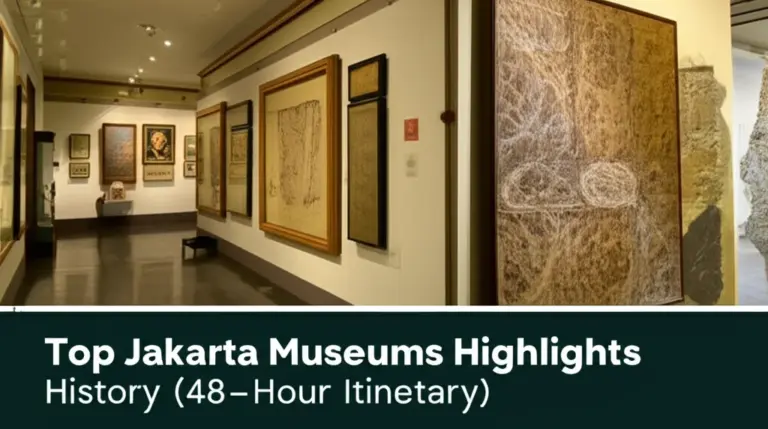
Best Museums to Visit in Jakarta in 48 Hours — What to See, Opening Hours and Ticket Tips for History and Art Lovers
- Best Museums to Visit in Jakarta in 48 Hours — What to See, Opening Hours and Ticket Tips for History and Art Lovers
Welcome to Jakarta, a sprawling metropolis where ancient history clashes beautifully with modern dynamism. For history and art enthusiasts planning a brief, impactful visit, maximizing your time is key. This 48-hour itinerary is meticulously crafted to ensure you experience the cultural heart of the city, focusing on the exhibits that truly define Indonesian heritage. If you are seeking the Best Museums to Visit in Jakarta in 48 Hours, look no further. We will guide you through essential sights, practical logistics, and crucial ticket tips to make your short stay unforgettable.
Planning Your 48-Hour Museum Itinerary in Jakarta
A successful 48-hour museum blitz requires strategic planning. Jakarta traffic is notorious, so grouping attractions geographically is essential. Our plan dedicates the first day to the grand historical narratives of Central Jakarta and Kota Tua, and the second day to specialized artistic and cultural institutions.
Logistics: Opening Hours and Best Days to Visit
Most major museums in Jakarta operate from Tuesday to Sunday, typically closing on Mondays. Standard operating hours are usually 8:00 AM or 9:00 AM until 3:00 PM or 4:00 PM. Always check the specific museum website, especially since hours can change post-pandemic. Early mornings are best to beat the heat and the crowds.
Day 1: Immersing in History at Kota Tua and Central Jakarta
Day 1 focuses on the backbone of Indonesian history, starting with the National Museum and transitioning to the colonial heart of Kota Tua.
The National Museum of Indonesia (Museum Nasional)
Often referred to as the ‘Elephant Museum’ due to the elephant statue in its courtyard, the National Museum is the largest and most comprehensive museum in the country. It is an absolute must-see for history lovers. Its collection spans prehistoric times, archaeology, ethnography, and history, providing a holistic view of the archipelago’s rich past. Pay special attention to the impressive collection of Hindu-Buddhist artifacts from the ancient kingdoms.
| Status | Estimated Ticket Price (IDR) | Typical Hours |
|---|---|---|
| High Priority | ~10,000 to 15,000 | 9:00 AM – 4:00 PM (Closed Mondays) |
After the National Museum, take a taxi or TransJakarta bus north to Kota Tua, the former heart of Batavia (Dutch colonial city). This area is home to several key museums surrounding the central Fatahillah Square.
Jakarta History Museum (Museum Fatahillah)
Housed in the former Batavia City Hall, this museum is the centerpiece of Kota Tua. The building itself is a stunning example of 18th-century Dutch architecture. The exhibits focus on the history of Jakarta, from the prehistoric era through the establishment of Jayakarta, the Dutch colonial period (Batavia), and finally, the Indonesian independence era. Don’t miss the chilling dungeons located beneath the building. Your visit here is central to experiencing the Best Museums to Visit in Jakarta in 48 Hours.
Day 2: Art, Culture, and Specialized Heritage
Day 2 allows you to dive deeper into Indonesian cultural expression, focusing on art and unique traditional crafts, all conveniently located near Fatahillah Square.
Fine Arts and Ceramics Museum (Museum Seni Rupa dan Keramik)
Located just across Fatahillah Square, this museum is a haven for art lovers. It showcases contemporary and traditional Indonesian fine art, with a strong focus on the works of Indonesian masters from the 19th century onward. The ceramics collection is particularly noteworthy, featuring pieces from various regions of Indonesia and Asia, offering a beautiful counterpoint to the historical focus of the previous day’s visits.
Wayang Museum (Puppet Museum)
For a taste of Indonesian performing arts, the Wayang Museum, also in Kota Tua, is indispensable. ‘Wayang’ refers to the traditional Indonesian puppet theater. The museum displays a diverse collection of Javanese and Sundanese *wayang kulit* (shadow puppets) and *wayang golek* (wooden puppets), as well as puppets from other parts of the world. This museum provides a fascinating look into the storytelling traditions that are central to Indonesian culture.
Essential Visitor Tips: Tickets, Hours, and Transport
Visiting the Best Museums to Visit in Jakarta in 48 Hours efficiently requires smart navigation and ticket preparation.
Ticket Purchases and Pricing
Museum entry fees in Jakarta are generally very affordable for international visitors, often ranging from IDR 5,000 to IDR 20,000 (less than $1.50 USD). Tickets are typically purchased directly at the entrance. Note that some museums may require cash payment, so always carry small denominations of Indonesian Rupiah. There are usually no fast-pass options, but queues are rarely long, especially if you arrive early.
For traveling between Central Jakarta (National Museum) and Kota Tua, the TransJakarta bus system is efficient and cheap. Alternatively, ride-hailing apps (like Gojek or Grab) are highly recommended for comfort and speed, particularly outside of peak rush hours. For moving between the museums within Kota Tua, walking is the ideal method.
By focusing on these key historical and artistic centers, your 48 hours in Jakarta will be packed with profound cultural discoveries. Enjoy your journey through the rich layers of Indonesian history!
คำถามที่พบบ่อย (FAQ)
Are Jakarta museums generally open on weekends?
Yes, the majority of major museums, including the National Museum and those in Kota Tua, are open on Saturdays and Sundays. However, they are typically closed on Mondays for maintenance. It is advisable to check specific holiday hours before your visit.
How much time should I allocate for the National Museum of Indonesia?
Given its size and the depth of its collection, history lovers should allocate at least 3 to 4 hours to thoroughly explore the National Museum (Museum Nasional) without rushing.
Can I buy a combined ticket for the Kota Tua museums?
While there is no single official ‘Kota Tua pass’ covering all museums, the entry fees for individual museums (such as Museum Fatahillah, Wayang Museum, and Fine Arts Museum) are extremely low, making it inexpensive to visit several in one day.
References
- Jakarta City Break 48-Hour Plan for Museums, Coffee and Rooftop Views: The Ultimate Weekend Itinerary
- Cafés and Coffee Culture Near Jakarta’s Museums — Where to Grab Specialty Coffee, Local Snacks and Work-Friendly Spots
- Optimizing Your 48-Hour Route — How to Plan Time, Transport Options, and Map a Seamless Museum-to-Café-to-Rooftop Day