Aceh Sharia Culture for Travelers: Essential Dress Codes, Customs, and Respectful Behavior
- Aceh Sharia Culture for Travelers: Essential Dress Codes, Customs, and Respectful Behavior
Aceh, located on the northern tip of Sumatra, holds a unique and revered position within Indonesia. Unlike other provinces, Aceh operates under special autonomy, implementing Islamic Sharia law as its legal framework. For travelers, understanding and respecting the Aceh Sharia Culture is not just recommended—it is essential for a smooth and rewarding visit. This comprehensive guide provides the critical information needed to ensure your behavior and attire align with local customs, transforming your trip into a deeply respectful and enriching experience.
Understanding Aceh’s Unique Status
Aceh is often referred to as the ‘Veranda of Mecca’ (Serambi Mekkah) due to its historical role as a gateway for the spread of Islam in Southeast Asia. Following decades of political struggle, Aceh was granted special autonomous status in 2001, allowing it to adopt Qanun (local Islamic bylaws) covering everything from public morality to banking. Recognizing this unique legal and cultural landscape is the first step toward respectful travel.
Respecting the Local Authority
The enforcement of Sharia is managed by the Wilayatul Hisbah (Islamic police). While their focus is primarily on local residents, tourists are not exempt from the rules, particularly regarding dress code and public behavior. Compliance is key to a hassle-free visit.
Essential Dress Codes for All Visitors
The fundamental principle of dress in Aceh is modesty. Clothing must cover the body adequately, ensuring that the shape and contours of the body are not emphasized. This applies to all public spaces, including streets, markets, and tourist attractions.
Dress Code for Women
For female travelers, the requirements are stricter than in other parts of Indonesia. While the law mandates the Jilbab (headscarf) for Muslim women, non-Muslim women are strongly encouraged, and often expected, to cover their hair. The general rule is:
- Wear loose-fitting, non-transparent clothing.
- Cover arms down to the wrists and legs down to the ankles.
- Carry a scarf or shawl to cover the hair, neck, and chest when in public.
- Avoid tight jeans, leggings, or tops that reveal cleavage or midriffs.
Dress Code for Men
Male travelers must also adhere to modesty standards, though they are less restrictive than those for women. Shorts are generally acceptable only in private hotel areas or during sports activities, but wearing them in public places, especially in urban centers or religious sites, is considered disrespectful.
Men should wear long pants (trousers) and shirts with sleeves (short sleeves are usually fine, but sleeveless tops are highly discouraged). When visiting a mosque, men must ensure their shoulders and knees are covered.
Key Sharia-Based Customs and Practices
Beyond clothing, several behavioral norms are strictly observed under the Aceh Sharia Culture framework, impacting daily life and tourist interactions.
Food, Drink, and Gambling Prohibition
Aceh maintains a zero-tolerance policy regarding substances prohibited in Islam (Haram). The sale and consumption of alcohol are strictly banned throughout the province. Similarly, pork is unavailable, and all food establishments adhere to Halal requirements. Gambling is also illegal and strictly enforced.
Social Interaction and Public Decorum
| Custom | Guidance for Travelers |
|---|---|
| Physical Contact (Khalwat) | Public displays of affection (PDA), even between married couples, are highly discouraged. Unmarried men and women should avoid being alone together in secluded public places. |
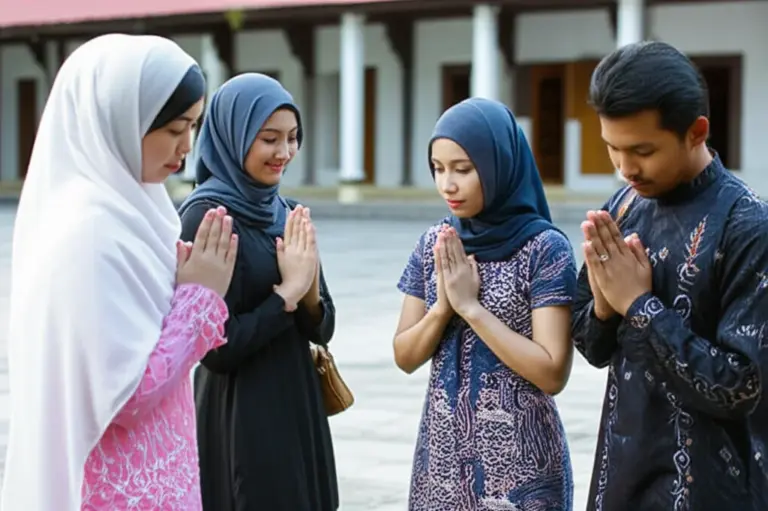
| Handshakes | Men should generally not initiate physical contact (handshakes) with women, and vice versa. Wait for the local person to extend their hand first. A slight bow or a hand-to-chest gesture is often appropriate. |
| Sitting Arrangement | In cafes or public transport, observe if there are separate seating areas for men and women and adhere to the local segregation customs. |
Prayer Times (Salat) and Public Life
The five daily prayer times dictate the rhythm of life. During the main congregational prayer (especially Friday midday prayer), many shops and businesses will close temporarily. Plan your activities around these times to avoid inconvenience. Never walk in front of someone who is praying.
Visiting Mosques and Religious Sites
Visiting the magnificent mosques in Banda Aceh, such as the Baiturrahman Grand Mosque, is a highlight of any trip. Ensure you follow these rules strictly:
- Remove your shoes before entering the prayer hall or courtyard.
- Women must cover their entire body and hair; suitable robes (often provided) may be required.
- Maintain silence and reverence; never talk loudly or take intrusive photos during prayer times.
While tourists are generally given some leniency compared to locals, flagrant disregard for the law, particularly regarding drug use, gambling, or clear violations of the dress code, can lead to serious consequences, including fines or public caning (though this is extremely rare for foreigners and usually reserved for severe cases involving locals). The best advice is simple: when in doubt, err on the side of caution and modesty.
Conclusion: Traveling with Respect and Understanding
Visiting Aceh offers a unique glimpse into a deeply religious and culturally rich society. By preparing for the specific customs and adhering to the essential dress codes, travelers demonstrate the respect that the Acehnese people deserve. Embrace the opportunity to experience the unique blend of Indonesian culture and strict Islamic principles, ensuring your journey is memorable for all the right reasons. Your understanding of Aceh Sharia Culture will unlock the true beauty of this extraordinary destination.
คำถามที่พบบ่อย (FAQ)
References
Official Indonesia Tourism Guide to Aceh
Human Rights Watch Report on Aceh’s Sharia Implementation (for context)
- Understanding Aceh’s Sharia-based Cultural Context and Why It Matters for Travelers
- Appropriate Dress Codes for Men and Women in Public, Religious, and Coastal Settings (long-tail: Aceh modest dress rules for tourists)
- Social Customs, Greetings, Gender Interaction Norms, and Public Behavior to Avoid Offense