Understanding Aceh’s Sharia-based Cultural Context and Why It Matters for Travelers
- Understanding Aceh’s Sharia-based Cultural Context and Why It Matters for Travelers
For travelers exploring the diverse archipelago of Indonesia, the province of Aceh—located on the northern tip of Sumatra—presents a truly unique destination. Unlike any other province in the country, Aceh operates under a degree of autonomy that allows it to implement Sharia (Islamic law). This cultural distinction is central to the local identity, and grasping the nuances of Understanding Aceh’s Sharia-based Cultural Context and Why It Matters for Travelers is not just about following rules; it is about engaging respectfully with a deeply spiritual and resilient community. This guide offers essential insights for making your journey to Aceh a respectful, enriching, and memorable part of your Indonesia tourism experience.
The Unique Status of Aceh: A Brief History and Autonomy
Aceh’s current legal status is a result of a long history of independence movements and agreements with the Indonesian central government. Following decades of conflict, the 2005 peace accord granted Aceh special autonomy, allowing it to implement its own regional regulations, including the Qanun (local laws) based on Sharia principles. This framework governs various aspects of public life, from finance and governance to social conduct.
More Than Just Law: The Role of Adat (Customary Law)
While Sharia is the formal legal code, it works in tandem with Adat, the traditional customary laws that have governed Acehnese life for centuries. Adat often focuses on community harmony, social structure, and traditional ceremonies. For visitors, this means that cultural expectations are deeply ingrained and extend beyond the written law, emphasizing modesty, politeness, and respect for elders and religious institutions.
Decoding Sharia Law in Aceh: Key Principles Affecting Visitors
While the most severe aspects of Sharia law are typically reserved for local Muslim citizens, tourists are expected to observe basic standards of public decency and respect the local religious ethos. Non-Muslim tourists are generally afforded more leniency, but compliance with public conduct laws is mandatory to ensure a smooth visit.
| Area of Conduct | Expectation for Travelers | Why It Matters |
|---|---|---|
| Dress Code (Women) | Should cover hair, arms, and legs in public spaces (especially outside beach areas). | Demonstrates respect for local piety and avoids unwanted attention. |
| Dress Code (Men) | Shorts are acceptable, but shirts must be worn. Avoid going shirtless, especially near mosques. | Maintains dignity and adherence to public modesty standards. |
| Alcohol & Gambling | Strictly prohibited. Do not attempt to purchase, consume, or bring alcohol into the province. | These acts are illegal under Aceh’s Qanun. |
| Public Affection (PDA) | Avoid all forms of public displays of affection (holding hands is generally acceptable for married couples, but kissing or embracing is not). | Public affection is viewed as highly inappropriate and offensive. |
Travel Etiquette: Practical Tips for Respectful Exploration
Successful travel in Aceh hinges on cultural awareness. By preparing ahead, you can ensure your presence is welcomed and your experience is positive.
Respecting Prayer Times and Mosques
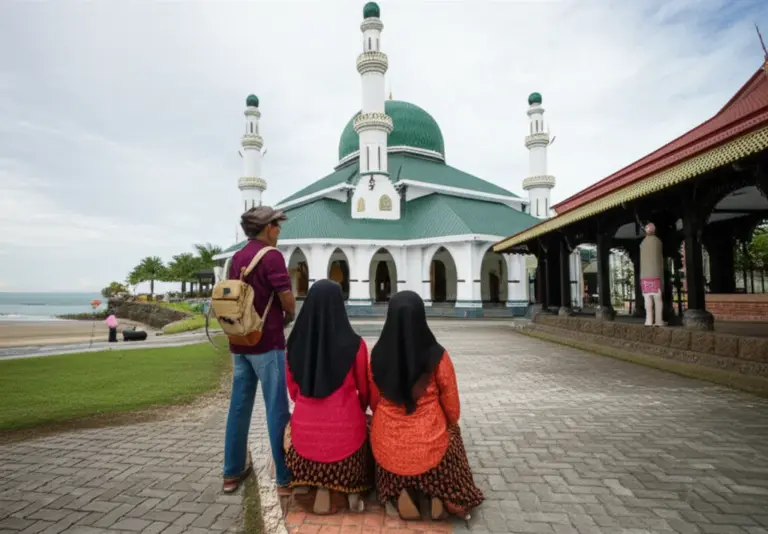
Aceh is dotted with magnificent mosques, most famously the Baiturrahman Grand Mosque in Banda Aceh. When visiting, dress conservatively (headscarf for women is mandatory), remove your shoes, and avoid visiting during peak prayer times. If you hear the call to prayer (Adhan), be mindful and avoid loud activities nearby.
The entire province operates under Halal standards. Pork is not available, and all meat is prepared according to Islamic dietary law. Dining is a social affair; always use your right hand when eating, passing objects, or shaking hands. The local people are famously hospitable and often keen to share their culture.
Visualizing the Cultural Nuance
To further enhance your Understanding Aceh’s Sharia-based Cultural Context and Why It Matters for Travelers, observing the local interactions and historical context is invaluable. The resilience shown after the 2004 tsunami deeply shaped the region’s spiritual commitment.
Enriching Your Trip: Cultural Highlights and Historical Sites
Aceh offers profound historical sites that reflect both its deep Islamic roots and its recent tragic history. These locations demand respectful reflection:
- Baiturrahman Grand Mosque: A stunning architectural masterpiece and a symbol of Acehnese identity and faith.
- Tsunami Museum: A powerful memorial to the victims of the 2004 disaster, offering educational and emotional context to the region’s past.
- PLTD Apung 1: A massive power generation ship that was carried several kilometers inland by the tsunami, serving as a poignant reminder of nature’s force.
By embracing the local cultural context, travelers move beyond being mere spectators and become participants in the unique narrative of this Indonesian province. Understanding Aceh’s Sharia-based Cultural Context and Why It Matters for Travelers is the key to unlocking a richer, more meaningful journey.
คำถามที่พบบ่อย (FAQ)
References
Indonesia Official Tourism Website: Aceh
Human Rights Watch: Aceh Sharia Law Context
Lonely Planet Guide to Aceh
- Aceh Sharia Culture for Travelers: Essential Dress Codes, Customs, and Respectful Behavior
- Appropriate Dress Codes for Men and Women in Public, Religious, and Coastal Settings (long-tail: Aceh modest dress rules for tourists)
- Social Customs, Greetings, Gender Interaction Norms, and Public Behavior to Avoid Offense