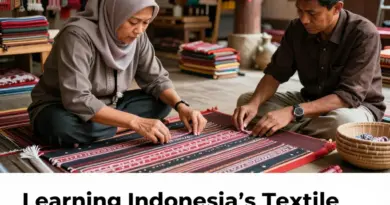
Social Customs, Greetings, Gender Interaction Norms, and Public Behavior to Avoid Offense
Indonesia is an archipelago of unparalleled beauty and cultural complexity. With over 17,000 islands and hundreds of ethnic groups, visitors are welcomed by genuine warmth and hospitality. However, maximizing your experience and ensuring respectful interaction requires understanding fundamental **Indonesia social customs and etiquette**. Being aware of local norms—from how you greet someone to how you dress in public—is crucial to avoiding accidental offense and fostering positive relationships with the local populace.
Mastering Indonesian Greetings and Basic Etiquette
Greetings in Indonesia are generally gentle and respectful. The method often depends on the region and the religious background of the individuals, but some universal norms apply across the country.
The ‘Salam’ and Handshakes
- When meeting someone, especially an elder or someone important, a soft handshake known as the salam is common. This involves a light touch of hands, followed by bringing your hand to your heart as a sign of sincerity and respect.
- Men typically shake hands with other men. Women may shake hands with women.
- If greeting a woman, wait for her to extend her hand first. If she does not, a slight bow or nod is the most appropriate substitute.
The Importance of the Right Hand
In much of Indonesia, particularly in Muslim-majority areas, the left hand is traditionally considered unclean. This is a crucial piece of **Indonesia social customs and etiquette** to remember:
| Use Right Hand For | Avoid Using Left Hand For |
|---|---|
| Giving or receiving anything (gifts, money, business cards). | Eating or drinking. |
| Eating, even if you are left-handed (try to adapt if possible). | Pointing at people or objects (use your right thumb instead). |
| Gesturing or waving. | Passing items across a table. |
Gender interactions are generally more conservative than in many Western countries. While Bali is highly accustomed to international tourists, moving to areas like Java, Sumatra, or Lombok requires greater sensitivity, particularly regarding dress and physical contact.
Public Displays of Affection (PDA)
Public displays of affection between couples should be minimal or avoided entirely. Holding hands is generally acceptable, but kissing, hugging, and intimate touching are considered inappropriate and disrespectful, especially in religious or traditional settings. This applies equally to all couples, regardless of orientation.
Appropriate Dress Codes
Modesty is highly valued. While beachwear is fine on the beach, covering up when entering towns, villages, or restaurants is mandatory. This is particularly important for women, but men should also avoid going shirtless outside of resort areas.
- Long trousers or skirts/dresses that cover the knees.
- Shoulders and cleavage covered (especially for women).
- Sarong or shawl ready for temple visits.
- Very short shorts or mini-skirts.
- Bikini tops or bare chests away from the beach/pool.
- Tight or revealing clothing in conservative areas.
Public Behavior: What to Do and What to Avoid
Your actions in public spaces speak volumes. Adhering to local norms shows respect for the community and ensures a smoother interaction for everyone.
Visiting Religious Sites
Indonesia is home to magnificent mosques, Hindu temples (especially in Bali), and Buddhist sites. When visiting:
- Dress Code: You must cover your head, shoulders, and legs (both men and women) before entering a mosque. Temples often require a sarong and sash.
- Footwear: Always remove your shoes before entering mosques, temples, and often before entering a home.
- Timing: Avoid visiting mosques during prayer times (five times daily). Be quiet and respectful of worshippers.
Head, Feet, and Personal Space
The head is considered the most sacred part of the body, and the feet are the lowest and least clean. Therefore, it is a significant taboo to touch someone’s head, even a child’s. Conversely, avoid pointing your feet at anyone, especially when sitting. If you are sitting on the floor, tuck your feet beneath you.
Managing Emotions and Conflict
Losing your temper or raising your voice is considered highly offensive and embarrassing (to both parties). If you face a disagreement or poor service, handle it with patience, a quiet voice, and a smile. Direct confrontation is rarely effective in Indonesian culture.
Dining and Social Interaction
Dining is a communal affair, often done casually, but a few rules of **Indonesia social customs and etiquette** apply:
- In formal settings, spoons and forks are typically used (no knives). In traditional settings, eating with the right hand is common.
- Wait to be seated or directed by your host. Do not start eating until the host invites you to do so.
- Tipping is not mandatory but is certainly appreciated for good service.
By observing these simple guidelines regarding social customs, greetings, gender norms, and public behavior, you demonstrate profound respect for the local culture. This sensitivity will undoubtedly enrich your journey and open doors to genuine connections with the incredibly warm people of Indonesia.
คำถามที่พบบ่อย (FAQ)
Is it okay to touch someone’s head in Indonesia?
No. Touching someone’s head, even lightly or playfully (like ruffling a child’s hair), is a serious cultural taboo. The head is considered the most sacred part of the body, and touching it is highly offensive.
What is the appropriate way to address an older person?
When addressing elders or people in positions of authority, always use respectful titles like Bapak (for men) or Ibu (for women), followed by their name. Speak softly and maintain a polite posture, perhaps with a slight bow.
Should I always use my right hand when interacting?
Yes, generally. Due to traditional beliefs about cleanliness, the right hand should be used for eating, shaking hands, giving gifts, or passing objects. Using the left hand for these activities is considered impolite.
Is public kissing acceptable in tourist areas like Bali?
While Bali is generally more lenient than other parts of Indonesia, public kissing and overtly intimate displays of affection (PDA) are still frowned upon. Holding hands is fine, but it is best to keep physical contact to a minimum in public spaces to respect local norms.
References
- Aceh Sharia Culture for Travelers: Essential Dress Codes, Customs, and Respectful Behavior
- Understanding Aceh’s Sharia-based Cultural Context and Why It Matters for Travelers
- Appropriate Dress Codes for Men and Women in Public, Religious, and Coastal Settings (long-tail: Aceh modest dress rules for tourists)