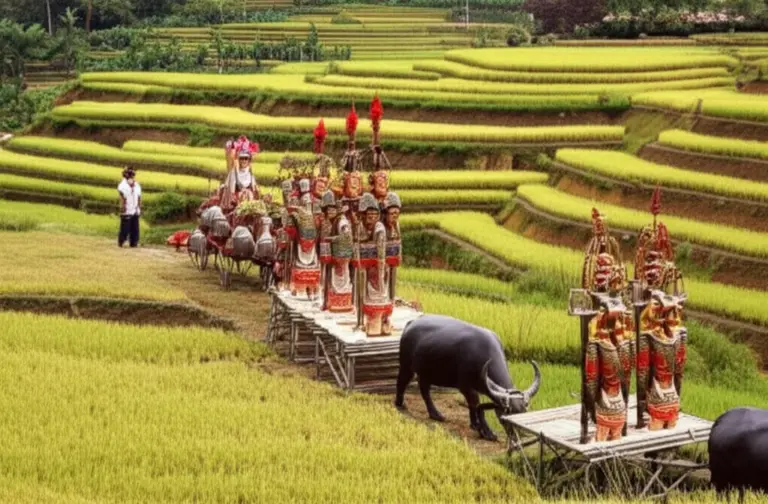
How does the Toraja funeral calendar work — stages, timing, and how locals plan elaborate ceremonies
- How does the Toraja funeral calendar work — stages, timing, and how locals plan elaborate ceremonies
- The Philosophy of Death: Aluk To Dolo and the Journey to Puya
- Stage 1: The ‘Sick’ Period (To Makula)
- Stage 2: The Preparatory Phase and Timing Logistics
- Stage 3: The Grand Rambu Solo’ Ceremony (The Celebration)
- Stage 4: The Final Resting Place
- Rambu Solo vs. Rambu Tuka: The Timing Distinction
- Essential Etiquette for Indonesia Tourism Visitors
- คำถามที่พบบ่อย (FAQ)
- What is the main difference between Rambu Solo and Rambu Tuka?
- Why are water buffaloes so important in a Toraja funeral?
- How long does the period between death and the Rambu Solo ceremony last?
- Where is Tana Toraja located?
- What is the significance of the Tongkonan house in the funeral process?
- References
The Philosophy of Death: Aluk To Dolo and the Journey to Puya
The Torajan belief system, known as *Aluk To Dolo* (The Way of the Ancestors), views the cosmos as divided into the upper world, the world of man, and the underworld (*Puya*, the Land of Souls). The funeral ceremony, called *Rambu Solo’* (Ceremony of the Smoke Descending), is the single most important event in a Torajan’s life—or rather, their transition to the afterlife. Without a proper Rambu Solo, the spirit of the deceased cannot reach Puya and may instead linger as an evil spirit, bringing misfortune to the family. This spiritual imperative is the driving force behind the elaborate planning and expense. [[1]](https://www.ancient-origins.net/ancient-places-asia/toraja-people-and-most-complex-funeral-rituals-world-001268)[[2]](https://www.youtube.com/watch?v=o7MWVXzEBXc)
Stage 1: The ‘Sick’ Period (To Makula)
When a person dies, they are not immediately considered ‘dead.’ Instead, they are referred to as *To Makula*, or ‘the sick one’ or ‘the sleeping one.’ The body is chemically preserved, often with formalin, and kept within the family’s *Tongkonan* (traditional ancestral house). During this initial phase of the **Toraja funeral calendar**, which can last from a few months to several years, the deceased is treated as a living, albeit ill, member of the family. Family members bring them food, offer them cigarettes, and engage with them daily, showing deep reverence and respect. This period allows the family sufficient time to accumulate the necessary funds and resources for the colossal ceremony that lies ahead. [[1]](https://www.ancient-origins.net/ancient-places-asia/toraja-people-and-most-complex-funeral-rituals-world-001268)[[3]](https://museumofwander.com/tana-toraja-funeral/)
Stage 2: The Preparatory Phase and Timing Logistics
Once the family has amassed the required wealth—a process involving saving, selling land, or coordinating contributions from relatives spread across the globe—they can set the date for the Rambu Solo’. The sheer cost is why this stage is the longest. The ceremony is a public display of the deceased’s and their family’s social status, measured largely by the number of water buffaloes (*Tedong*) and pigs that will be sacrificed. [[1]](https://www.ancient-origins.net/ancient-places-asia/toraja-people-and-most-complex-funeral-rituals-world-001268)[[2]](https://www.youtube.com/watch?v=o7MWVXzEBXc)
The Funeral Season
For practical and logistical reasons, most grand Rambu Solo’ ceremonies take place during the dry season, typically from **June to October**. This period allows for easier travel for guests and is the most convenient time to erect the massive temporary bamboo structures (*lakkian*) and viewing stands needed to host hundreds, sometimes thousands, of visitors. This timing also aligns with Indonesia Tourism’s high season, as many tourists seek to witness the spectacle. [[3]](https://museumofwander.com/tana-toraja-funeral/)[[4]](https://timetravelbee.com/places/funeral-in-toraja/)
Stage 3: The Grand Rambu Solo’ Ceremony (The Celebration)
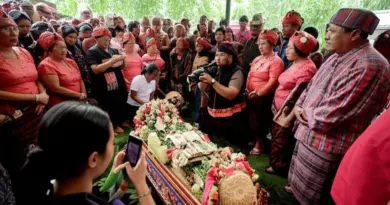
The main ceremony typically lasts for several days, often three to seven, depending on the family’s means. It is a time of immense festivity, featuring traditional music, dances like the *Ma’badong*, poetry recitations, and the formal receiving of guests who arrive bearing gifts—often livestock (buffaloes and pigs) or money. The deceased is moved from the *Tongkonan* to the *Lakkian*, a special funeral tower, which is a key moment in the ritual. [[5]](https://www.youtube.com/watch?v=CEi7LeZ6w0E)[[6]](https://historichouston1836.com/toraja-funeral-rites-burial-practices-tana-toraja-sulawesi-indonesia/)
The Central Role of the Buffalo Sacrifice
The climax of the Rambu Solo’ is the ritual sacrifice of the buffalo and pigs. The Torajans believe the buffalo’s spirit is essential to carry the deceased’s soul on the final leg of their journey to Puya. The more buffaloes sacrificed, the higher the status of the deceased and the faster their journey to the afterlife. A high-status funeral may require dozens of animals, sometimes including the prized, expensive albino buffaloes. The meat from the sacrifice is then meticulously distributed among the guests according to social hierarchy, reaffirming communal bonds. [[3]](https://museumofwander.com/tana-toraja-funeral/)[[7]](https://terra-cultura.com/en/toraja-funeral-rites-traditions-and-ancestral-symbols/)
Stage 4: The Final Resting Place
The final stage of the **Toraja funeral calendar** is the burial. Unlike many cultures, the Torajans traditionally do not bury their dead in the ground. Instead, the deceased is placed in a small chamber carved into a sheer rock face, a cave, or a stone tomb. The body is often accompanied by a *Tau Tau*, a wooden effigy carved in the likeness of the deceased, placed on a balcony to watch over the land. The buffalo horns from the sacrifice are then mounted on the family’s *Tongkonan*, serving as a permanent record of the family’s wealth and the deceased’s status. Once the body is interred, the spirit is officially considered to have departed for Puya. [[1]](https://www.ancient-origins.net/ancient-places-asia/toraja-people-and-most-complex-funeral-rituals-world-001268)[[2]](https://www.youtube.com/watch?v=o7MWVXzEBXc)
Rambu Solo vs. Rambu Tuka: The Timing Distinction
Torajan ceremonies are strictly classified based on timing. *Rambu Solo’* (Ceremony of the Smoke Descending) refers to death rites and must be held in the afternoon or evening, symbolizing the fading light and the journey to the west (the direction of the dead). In contrast, *Rambu Tuka’* (Ceremony of the Smoke Ascending) refers to ceremonies of life, such as house dedications or weddings, and must be held in the morning or during the day, symbolizing the rising sun and prosperity. This distinction is a fundamental rule of *Aluk To Dolo* and demonstrates the rigid structure governing the Torajan’s ceremonial life. [[1]](https://www.ancient-origins.net/ancient-places-asia/toraja-people-and-most-complex-funeral-rituals-world-001268)[[6]](https://historichouston1836.com/toraja-funeral-rites-burial-practices-tana-toraja-sulawesi-indonesia/)
Essential Etiquette for Indonesia Tourism Visitors
- **Bring a Gift (Tamu):** It is customary for guests to bring a small gift, such as a carton of cigarettes, a bag of sugar, or money, presented to a family representative upon arrival.
- **Dress Respectfully:** Wear modest clothing, preferably dark colors (black is the symbol of death, but not mandatory for tourists). Avoid shorts or overly revealing attire.
- **Ask Permission:** Always ask a guide or family member before taking photographs, especially of the deceased’s immediate family or during sensitive moments like the sacrifice.
- **Mind Your Position:** Guests are usually seated in a designated area. Do not walk directly in front of the family or the coffin.
คำถามที่พบบ่อย (FAQ)
What is the main difference between Rambu Solo and Rambu Tuka?
The main difference is the purpose and timing. Rambu Solo’ is the funeral rite (ceremony of the smoke descending) and must be held in the afternoon/evening. Rambu Tuka’ is a ceremony of life (ceremony of the smoke ascending), such as a harvest festival or wedding, and must be held in the morning/daylight. [[6]](https://historichouston1836.com/toraja-funeral-rites-burial-practices-tana-toraja-sulawesi-indonesia/)
Why are water buffaloes so important in a Toraja funeral?
Water buffaloes (*Tedong*) are considered the vehicle that carries the soul of the deceased on its journey from the world of man to Puya (the Land of Souls). The number of buffaloes sacrificed is a direct indicator of the deceased’s social status and wealth, and it is believed to ensure a swift and successful transition to the afterlife. [[3]](https://museumofwander.com/tana-toraja-funeral/)[[4]](https://timetravelbee.com/places/funeral-in-toraja/)
How long does the period between death and the Rambu Solo ceremony last?
The period, known as *To Makula*, can last from a few months to several years, or even decades. The duration is entirely dependent on the family’s ability to save or raise the substantial funds required to host the elaborate Rambu Solo’ ceremony, during which time the deceased is kept at home and treated as ‘sick.’ [[1]](https://www.ancient-origins.net/ancient-places-asia/toraja-people-and-most-complex-funeral-rituals-world-001268)[[8]](https://www.youtube.com/watch?v=BZVJkXKOXwQ)
Where is Tana Toraja located?
Tana Toraja, meaning “Land of Toraja,” is located in the rugged mountains of South Sulawesi, Indonesia. Its central town and tourism hub is Rantepao. [[1]](https://www.ancient-origins.net/ancient-places-asia/toraja-people-and-most-complex-funeral-rituals-world-001268)[[6]](https://historichouston1836.com/toraja-funeral-rites-burial-practices-tana-toraja-sulawesi-indonesia/)
What is the significance of the Tongkonan house in the funeral process?
The *Tongkonan* is the traditional ancestral house of the Torajan people. During the *To Makula* phase, the deceased is kept inside the Tongkonan. After the Rambu Solo’ ceremony, the horns of the sacrificed buffaloes are mounted on the front of the Tongkonan, permanently signifying the family’s status and the deceased’s importance. [[2]](https://www.youtube.com/watch?v=o7MWVXzEBXc)[[6]](https://historichouston1836.com/toraja-funeral-rites-burial-practices-tana-toraja-sulawesi-indonesia/)
References
- Elaborate Funeral Rituals and Exhumation of the Dead in Toraja Culture
- Toraja Funeral Rites & Burial Practices, Tana Toraja, Sulawesi, Indonesia
- Tana Toraja funeral Sulawesi Indonesia
- Toraja Funeral Rites: Traditions and Ancestral Symbols
- Toraja Funeral Rites Explained: Customs, Calendar, and Visitor Guidelines for Respectful Travel
- What are the historical and cultural meanings behind Toraja funeral rites and why they matter to visitors
- What should visitors know about etiquette, dress, photography, and gift-giving during Toraja funerals