Top Workshops and Schools to Learn Batik in Java: Yogyakarta, Solo, Pekalongan — course types, duration, pricing, and how to book hands-on batik classes
- Top Workshops and Schools to Learn Batik in Java: Yogyakarta, Solo, Pekalongan — course types, duration, pricing, and how to book hands-on batik classes
Embark on a vibrant cultural journey to discover the intricate art of Batik, a UNESCO-recognized masterpiece that embodies Indonesia’s rich heritage. Java, the heartland of this ancient craft, offers unparalleled opportunities to not just witness but actively learn batik in Java. This comprehensive guide will navigate you through the best workshops and schools in three of Java’s most prominent batik centers: Yogyakarta, Solo, and Pekalongan. We’ll delve into the diverse course types available, typical durations, pricing structures, and provide practical advice on how to book your very own hands-on batik class, ensuring an unforgettable and authentic Indonesian experience.
Why Learn Batik in Java? An Immersive Cultural Experience
Learning batik directly in Java is more than just acquiring a skill; it’s an immersion into centuries of tradition, philosophy, and artistic expression. Here, you’ll find master artisans whose families have passed down techniques through generations, offering an authenticity rarely found elsewhere. From the spiritual motifs of Yogyakarta to the royal elegance of Solo and the vibrant coastal designs of Pekalongan, each region offers a unique perspective on this timeless art. Engaging in a hands-on workshop allows you to appreciate the meticulous process, the patience required, and the stories woven into every pattern. It’s a profound way to connect with Indonesian culture and create a tangible souvenir of your travels.
Yogyakarta: The Soul of Javanese Batik
Yogyakarta, often hailed as the cultural capital of Java, is a prime destination to learn batik in Java. Its rich history, royal palaces, and numerous art communities make it an ideal place to delve into traditional Javanese batik with its characteristic brown, indigo, and white hues, and intricate patterns.
Recommended Workshops and Schools in Yogyakarta:
- Batik Plentong: Located centrally, Batik Plentong is highly popular among tourists for its accessible and friendly workshops.
- Course Types: They primarily offer beginner-friendly sessions focusing on Batik Tulis (hand-drawn batik). More advanced techniques can sometimes be arranged upon request.
- Duration: Typically 2-3 hours for a basic session, allowing you to complete a small piece (e.g., a scarf or wall hanging).
- Pricing: Expect to pay around IDR 150,000 – 300,000 (approx. $10-$20 USD) per person for a standard session, including materials.
- How to Book: Often accepts walk-ins, but booking via their social media or a quick phone call is recommended, especially for groups.
- Museum Batik Yogyakarta: While primarily a museum, they occasionally host workshops.
- Course Types: Basic introduction to Batik Tulis.
- Duration: Varies, typically 1-2 hours.
- Pricing: Usually included with museum entrance or a small additional fee.
- How to Book: Inquire at the museum reception upon arrival or check their official website/social media for workshop schedules.
- Balai Besar Kerajinan dan Batik (BBKB): A government-run institution, offering more formal and sometimes longer courses.
- Course Types: Ranges from short introductory workshops to more intensive, multi-day programs covering various techniques like Batik Tulis, Cap, and even natural dyeing.
- Duration: From half-day sessions to several days or weeks for comprehensive courses.
- Pricing: Varies significantly based on course length and depth, from IDR 500,000 to several million rupiahs.
- How to Book: Advanced booking is essential, usually through their official website or by contacting them directly.
Solo (Surakarta): Royal Heritage Batik
Solo, or Surakarta, is another historical center for Javanese batik, renowned for its refined and intricate ‘Batik Keraton’ (palace batik) motifs. The city offers a more subdued, yet equally enriching, experience to learn batik in Java.
Top Batik Learning Spots in Solo:
- Danar Hadi Batik Museum & Workshop: A prominent name in Indonesian batik, Danar Hadi offers both a magnificent museum and opportunities for hands-on learning.
- Course Types: Introduction to Batik Tulis, often focusing on traditional Solo motifs.
- Duration: Typically 2-3 hours.
- Pricing: Similar to Yogyakarta, around IDR 200,000 – 400,000.
- How to Book: Inquire at the museum or contact their sales department.
- Laweyan Batik Village: This historic village is a treasure trove of batik workshops and galleries.
- Course Types: Numerous small workshops offer personalized classes, from basic Tulis to more specialized techniques. You can often choose the complexity.
- Duration: Highly flexible, from a quick 1-hour trial to full-day immersive experiences.
- Pricing: Varies widely by artisan and duration, often starting from IDR 100,000 for basic sessions.
- How to Book: Many workshops accept walk-ins, but for a specific experience, it’s best to research and contact them ahead of time.
Pekalongan: The Coastal Batik Hub
Pekalongan, situated on Java’s north coast, boasts a distinctive ‘Batik Pesisir’ style, characterized by its vibrant colors, diverse motifs influenced by Chinese and Arab traders, and often larger, bolder patterns. It’s an exciting place to learn batik in Java if you appreciate a different aesthetic.
Learning Opportunities in Pekalongan:
- Museum Batik Pekalongan: A national treasure, this museum not only showcases an extensive collection but also frequently offers educational workshops.
- Course Types: Focuses on Pekalongan’s unique styles, including Batik Tulis and sometimes Batik Cap.
- Duration: Typically 1-3 hours.
- Pricing: Generally affordable, often around IDR 100,000 – 250,000.
- How to Book: Contact the museum directly or inquire upon arrival.
- Local Artisan Workshops: Explore the numerous small, family-run workshops scattered throughout Pekalongan.
- Course Types: Highly authentic, often personalized instruction in Batik Tulis or Batik Cap.
- Duration: Flexible, from short introductions to more in-depth sessions.
- Pricing: Often very reasonable, supporting local families directly.
- How to Book: Best approached by exploring the city and asking locals for recommendations, or through a local guide.
Essential Tips for Your Batik Learning Journey
| Tip | Description |
|---|---|
| Wear Old Clothes | Batik involves wax and dyes that can stain. Opt for comfortable, old clothing you don’t mind getting messy. |
| Patience is Key | Batik is a slow, meditative process. Embrace the journey, not just the finished product. |
| Hydrate & Protect | Workshops can be warm. Bring water, and consider sunscreen/hat if working outdoors. |
| Ask Questions | The artisans are a wealth of knowledge. Don’t hesitate to ask about history, techniques, and motifs. |
| Cultural Etiquette | Be respectful, especially when visiting family-run workshops. A simple ‘Terima Kasih’ (thank you) goes a long way. |
Booking Your Hands-On Batik Class: A Step-by-Step Guide
Securing your spot in a batik workshop is relatively straightforward, but a little planning can enhance your experience. To successfully learn batik in Java, follow these steps:
- Research Online: Use search engines, travel blogs, and platforms like TripAdvisor to find workshops with good reviews in your chosen city (Yogyakarta, Solo, or Pekalongan).
- Contact Directly: Many workshops have websites, Facebook pages, or WhatsApp numbers. Reach out to them to inquire about availability, course types, duration, and current pricing.
- Confirm Details: Clarify what’s included (materials, guidance, finished product), the language of instruction (English is often available), and any specific requirements.
- Book in Advance: Especially during peak tourist seasons or for popular workshops, booking a few days or weeks ahead is highly recommended to avoid disappointment.
- Payment: Some workshops might require a deposit, while others allow payment on arrival. Confirm the preferred payment method.
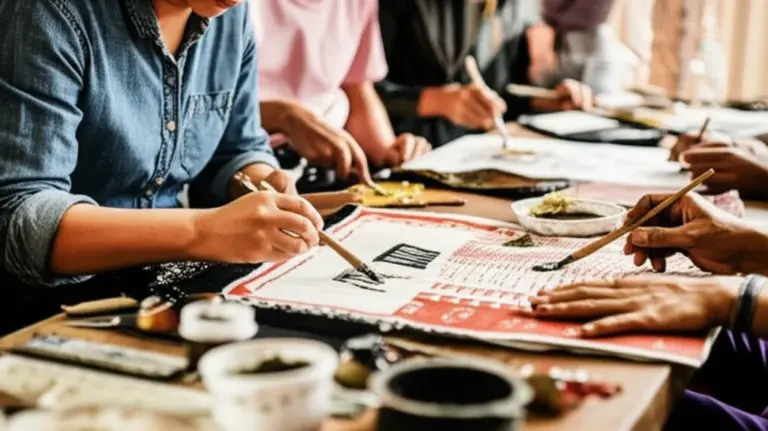
Here’s a visual example of the batik making process:
Whether you choose the artistic streets of Yogyakarta, the royal elegance of Solo, or the vibrant coast of Pekalongan, learning batik in Java is an enriching experience that connects you deeply with Indonesia’s cultural soul. You’ll not only master a beautiful craft but also gain a profound appreciation for the dedication and artistry behind every piece of batik fabric. Prepare to get creative, be patient, and take home not just a piece of cloth, but a piece of your own Javanese adventure.
คำถามที่พบบ่อย (FAQ)
References
- Indonesia Tourism Official Guide
- Guide to Yogyakarta Batik
- Exploring Solo’s Batik Heritage
- Pekalongan Batik Art and Culture
- Batik to Ikat: Where to Learn Traditional Textile Crafts Across Java and NTT — A Traveler’s Guide to Workshops, Schools, and Cultural Immersion
- Overview of Batik and Ikat Traditions in Java and NTT: differences, cultural significance, motifs, and when to visit authentic weaving and dyeing communities
- Where to Study Ikat in Nusa Tenggara Timur (NTT): weaving centers in Sumba, Flores, and Alor — apprenticeship options, ikat techniques (warp/weft/resist), and local cooperative visits