Why Prambanan and Borobudur Matter: History, Cultural Significance, and UNESCO Status
- Why Prambanan and Borobudur Matter: History, Cultural Significance, and UNESCO Status
For any enthusiast of history, culture, and breathtaking architecture, a visit to Indonesia is incomplete without experiencing the awe-inspiring grandeur of Prambanan and Borobudur. These two colossal temple complexes, located in Central Java, are not merely ancient ruins; they are living testaments to Indonesia’s rich past, profound spiritual heritage, and enduring cultural identity. Their significance transcends national borders, earning them coveted UNESCO World Heritage status and making them indispensable jewels for Indonesia tourism. This article delves into the intricate history, immense cultural value, and global recognition that solidify their place as wonders of the world.
A Glimpse into Ancient Java: The History of Prambanan and Borobudur
The stories of Prambanan and Borobudur are intertwined with the rise and fall of powerful ancient Javanese kingdoms, reflecting a vibrant era of religious syncretism and architectural innovation.
Borobudur: The Buddhist Masterpiece
Constructed in the 9th century during the reign of the Sailendra Dynasty, Borobudur is the world’s largest Buddhist temple. This magnificent structure is not a conventional temple with interior spaces for worship, but rather a colossal stupa designed as a spiritual guide. Its three main levels represent the Buddhist cosmology: Kamadhatu (the world of desires), Rupadhatu (the world of forms), and Arupadhatu (the world of formlessness). Pilgrims traditionally circumambulate the temple, ascending through its terraces, each adorned with intricate relief panels depicting the life of Buddha and Jataka tales, culminating in the central dome surrounded by 72 bell-shaped stupas, each housing a statue of Buddha.
Prambanan: The Hindu Epic in Stone
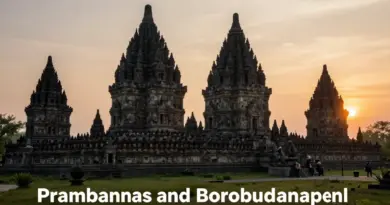
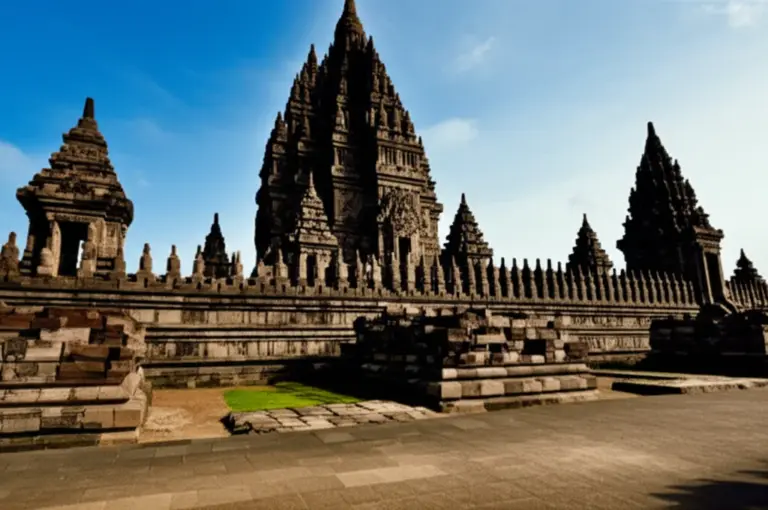
Built almost concurrently with Borobudur, around the same period (9th century) by the Sanjaya Dynasty, Prambanan is Indonesia’s largest Hindu temple complex. Dedicated to the Trimurti – Brahma (the Creator), Vishnu (the Preserver), and Shiva (the Destroyer) – its towering spires and elaborate carvings narrate the epic tale of the Ramayana. The three main temples, dedicated to each deity, are flanked by smaller shrines, creating a celestial city in stone. The intricate bas-reliefs on the inner walls of the Shiva temple tell the story of Prince Rama and his quest to rescue Sita, showcasing exceptional artistic skill and devotion.
Cultural Significance: Pillars of Indonesian Identity
Beyond their architectural marvel, these temples embody the very essence of Indonesian culture, history, and spiritual depth.
Religious Harmony and Coexistence
The proximity of Borobudur and Prambanan, representing Buddhism and Hinduism respectively, is a powerful symbol of the religious tolerance and coexistence that characterized ancient Java. This historical harmony continues to resonate, reflecting Indonesia’s modern national philosophy of Bhinneka Tunggal Ika (Unity in Diversity). They stand as monumental reminders that differing faiths can not only exist side-by-side but also inspire unparalleled artistic and architectural achievements.
Architectural and Artistic Grandeur
Both Prambanan and Borobudur are masterpieces of ancient engineering and art. Borobudur’s mandala-like structure, with its symmetrical terraces and thousands of intricately carved panels and Buddha statues, represents a profound understanding of cosmology and geometry. Prambanan, with its soaring, ornate spires and dynamic relief carvings, showcases the grandeur of Hindu temple architecture. The craftsmanship, scale, and artistic detail found in both complexes are unparalleled, offering invaluable insights into the aesthetic sensibilities and technological prowess of their builders.
Storytelling in Stone: Reliefs and Iconography
The relief carvings on these temples serve as ancient textbooks, preserving and transmitting religious narratives and moral lessons. Borobudur’s reliefs meticulously illustrate the journey of enlightenment, guiding pilgrims through the stages of spiritual awakening. Prambanan’s reliefs bring the Ramayana epic to life, depicting heroic battles, divine interventions, and timeless virtues. These visual narratives are not just decorative; they are integral to the spiritual function and educational value of the temples, offering a window into the beliefs and values of their creators.
UNESCO World Heritage Status: Global Recognition and Preservation
The global community has recognized the outstanding universal value of these sites, granting them the prestigious UNESCO World Heritage status.
What UNESCO Status Means
Borobudur Temple Compounds (inscribed 1991) and Prambanan Temple Compounds (inscribed 1991) were both recognized for their exceptional cultural and historical significance. This designation not only elevates their international profile but also ensures their protection and preservation for future generations. It underscores their irreplaceable value as shared heritage for all humanity, drawing millions of visitors and researchers annually.
Ongoing Preservation Efforts
Maintaining these ancient structures in a seismically active and volcanically prone region is a continuous challenge. Both sites have undergone extensive restoration efforts, most notably Borobudur in the 1970s and 80s with international assistance. Ongoing conservation work addresses issues like weathering, volcanic ash damage, and structural integrity, ensuring that these masterpieces can withstand the test of time and natural forces. The commitment to their preservation is a testament to their enduring importance.
Visiting Prambanan and Borobudur: A Journey for Travelers
For those planning their Indonesia tourism itinerary, visiting Borobudur and Prambanan offers an unforgettable journey back in time. Located relatively close to Yogyakarta, they can be explored independently or as part of organized tours. The experience of witnessing the sunrise over Borobudur, with mist clinging to its ancient stones, or exploring Prambanan’s towering Hindu temples at sunset, is nothing short of magical. These sites provide not just historical insights but also a profound spiritual and aesthetic experience.
Use the map below to plan your visit to Borobudur, a key highlight of any trip focusing on Prambanan and Borobudur.
Travel Tip!
Consider hiring a local guide at both sites to fully appreciate the intricate stories and historical context behind the relief carvings and architectural design. Their insights can significantly enrich your visit!
Conclusion
The enduring legacy of Prambanan and Borobudur cannot be overstated. They are not merely ancient structures but powerful symbols of Indonesia’s deep historical roots, its capacity for artistic brilliance, and its tradition of religious harmony. Their UNESCO World Heritage status affirms their global importance, making them magnets for Indonesia tourism and vital educational sites. As you plan your travels, remember that these temples offer more than just sightseeing; they offer a profound connection to a civilization that shaped a nation and continues to inspire the world.
คำถามที่พบบ่อย (FAQ)
Prambanan is a Hindu temple complex dedicated to the Trimurti (Brahma, Vishnu, Shiva), known for its towering spires and Ramayana reliefs. Borobudur is a Buddhist temple, the world’s largest, designed as a mandala with terraces depicting the life of Buddha and Jataka tales.
Both complexes were designated UNESCO World Heritage Sites in 1991 due to their outstanding universal value as masterpieces of human creative genius, exceptional testimonies to cultural traditions, and significant examples of traditional human settlement or land-use which is representative of a culture.
Yes, they are relatively close, both situated in Central Java, Indonesia. Prambanan is about 17 kilometers (11 miles) northeast of Yogyakarta, while Borobudur is about 40 kilometers (25 miles) northwest of Yogyakarta. Many visitors explore both sites on the same trip.
The dry season, from April to October, is generally considered the best time to visit, offering clear skies and comfortable weather for exploring. Early mornings (especially for Borobudur sunrise) or late afternoons (for Prambanan sunset) are recommended to avoid crowds and the midday heat.
References
- UNESCO World Heritage Centre – Borobudur Temple Compounds
- UNESCO World Heritage Centre – Prambanan Temple Compounds
- Official Website of Wonderful Indonesia Tourism
- Encyclopaedia Britannica – Borobudur
- Encyclopaedia Britannica – Prambanan
- Yogyakarta’s Prambanan and Borobudur: The Ultimate Guide to Visiting Java’s Iconic Temples and Cultural Heritage
- Planning Your Visit: Best Times, Tickets, Guided Tours, and How to Get There from Yogyakarta
- Exploring Borobudur Temple: Architecture, Reliefs, Sunrise Tours, and Visitor Tips for Photographers