Why Indonesia is Perfect for Family Travel: Safety, Best Seasons, and Family-Friendly Regions
- Why Indonesia is Perfect for Family Travel: Safety, Best Seasons, and Family-Friendly Regions
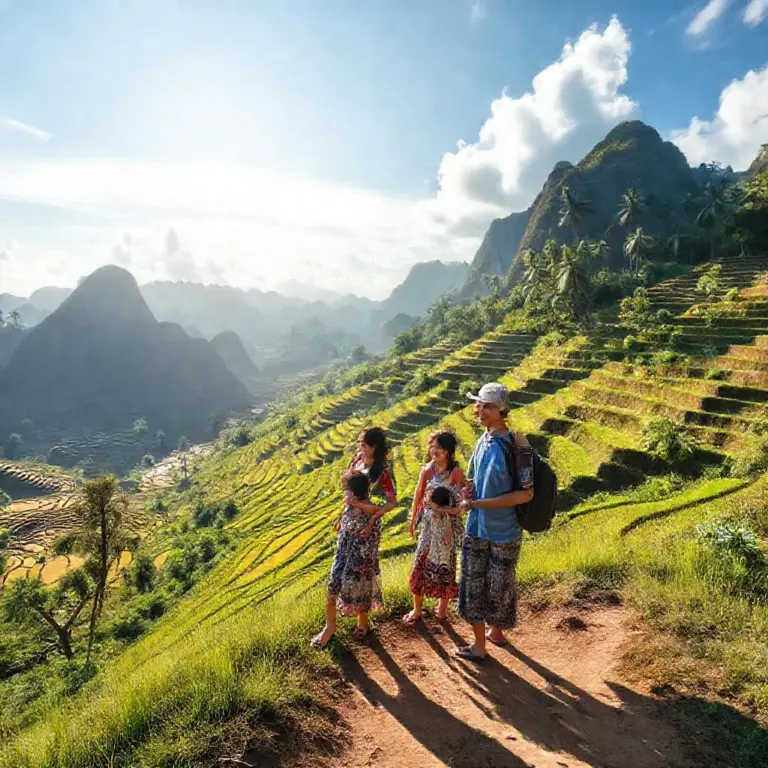
Planning a memorable family vacation that balances adventure, culture, and relaxation can be challenging. Look no further than the Indonesian archipelago. Far from being just a backpacker haven, Why Indonesia is Perfect for Family Travel is becoming increasingly clear as infrastructure improves and local hospitality shines. This guide details the safety considerations, optimal timing, and best destinations to ensure your family trip is seamless and unforgettable.
Assessing Safety and Trustworthiness for Family Adventures
A primary concern for any parent traveling abroad is safety. Indonesia, particularly in established tourist zones, maintains a high level of safety, often exceeding expectations. Local attitudes towards children are overwhelmingly warm and welcoming, which significantly enhances the family travel experience.
General Safety Guidelines
While petty theft is rare in major resorts, standard precautions apply. Trustworthiness is built through preparation:
- Health Preparedness: Ensure all family members have up-to-date vaccinations. Consult a travel clinic regarding malaria prophylaxis for remote jungle trips, though it’s rarely necessary in Bali or Java’s main hubs.
- Water Safety: Always rely on bottled or filtered water for drinking and brushing teeth. Reputable hotels provide safe drinking water stations.
- Traffic Awareness: Traffic, especially in Jakarta and parts of Bali, can be chaotic. Teach children road safety rules; crossing the street requires patience and vigilance.
The Warmth of Indonesian Hospitality (E-E-A-T)
Indonesian culture places immense value on community and respect for elders, which naturally extends to children. You will often find locals eager to help, offer directions, or simply share a smile. This inherent friendliness drastically reduces travel stress, making the entire experience feel safer and more supported.
Optimal Timing: Finding the Best Seasons for Family Travel
Indonesia straddles the equator, meaning it primarily experiences two seasons: Wet and Dry. Choosing the right time impacts everything from beach days to trekking conditions.
The Peak Dry Season (April to October)
This is generally considered the best time to visit Indonesia for families seeking predictable weather. The humidity drops, and rainfall is minimal, making outdoor activities like volcano hikes, snorkeling, and exploring temples far more enjoyable.
| Month Range | Weather Conditions | Family Benefit |
|---|---|---|
| May – September | Sunny, low humidity, minimal rain. | Ideal for beach holidays and island hopping. |
| July – August | Peak season; busiest and most expensive. | Guaranteed dry weather for all activities. |
While rain is frequent, it usually comes in short, intense afternoon downpours rather than all-day washouts. The advantage? Fewer crowds and lower prices. Travel during this time requires flexibility.
Top Family-Friendly Regions in Indonesia
To truly answer Why Indonesia is Perfect for Family Travel, we must explore the regions that cater specifically to families needing accessibility, varied activities, and reliable amenities.
1. Bali: The Family Hub
Bali is the undisputed champion for first-time family visitors to Indonesia. Its well-developed tourist infrastructure means English is widely spoken, and quality medical facilities are accessible.
South Bali (Seminyak, Nusa Dua, Sanur)
These areas offer calm beaches perfect for young swimmers. Nusa Dua, in particular, boasts resorts with incredible kids’ clubs and protected, shallow waters. Sanur provides a more relaxed vibe with a paved beachfront promenade ideal for bike rides.
Ubud: Culture and Nature
Away from the beaches, Ubud offers educational experiences. Families can explore the Sacred Monkey Forest (with caution regarding belongings!), visit organic cocoa farms, or participate in Balinese cooking classes. The natural beauty provides a calming backdrop for learning.
2. Yogyakarta, Java: Cultural Immersion
For families with slightly older children interested in history, Yogyakarta (Jogja) is essential. It serves as the gateway to two UNESCO World Heritage sites:
- Borobudur Temple: Witnessing sunrise over this massive Buddhist temple complex is a profound experience. Hire a local guide to explain the carvings to children.
- Prambanan Temple: Explore the stunning Hindu temple dedicated to Shiva. The scale of these ancient structures captures the imagination of all ages.
Jogja offers excellent, affordable private drivers—a major convenience when managing tired children.
3. Lombok and the Gili Islands: Accessible Adventure
Just east of Bali, Lombok offers a quieter, more rugged experience. The Gili Islands (Trawangan, Meno, Air) are famous for being car-free. Transportation is via bicycle or horse-drawn cart (cidomo).
Gili Meno is particularly serene and family-focused, offering excellent, calm snorkeling right off the beach to see turtles. This lack of motorized traffic dramatically increases perceived safety for families.
Family Activities That Define Indonesian Travel
The diversity of activities ensures no child gets bored. We must highlight the experiential learning opportunities that cement the argument for Why Indonesia is Perfect for Family Travel.
Here is a look at one of the most iconic family adventures:
Experiencing the magic of Borobudur at sunrise.
Volcano Hikes and Educational Treks
While climbing Mount Batur (Bali) or Mount Bromo (Java) requires stamina, many smaller, accessible trails exist. For instance, short hikes to waterfalls near Munduk (Bali) or exploring the Ijen crater rim (for older teens) offer incredible rewards for modest effort.
Marine Life Encounters
From glass-bottom boat tours to dedicated turtle conservation centers (like those in Serangan, Bali), marine education is readily available. The clear waters provide unparalleled opportunities for safe introduction to snorkeling.
Cooking and Craft Workshops
Many resorts and dedicated schools offer family cooking classes where kids learn to make satay or nasi goreng. These hands-on cultural activities create lasting memories and provide practical skills.
Conclusion: Indonesia Awaits Your Family
Indonesia offers a tapestry of experiences—from the spiritual serenity of ancient temples to the vibrant chaos of city life and the tranquil beauty of its beaches. By selecting the right season (April to October is safest) and focusing on established family zones like Bali and Yogyakarta, parents can confidently navigate the archipelago. The overwhelming warmth, excellent infrastructure in tourist areas, and sheer variety of activities truly solidify Why Indonesia is Perfect for Family Travel. Prepare your itinerary, embrace the adventure, and let the archipelago welcome your family with open arms.
คำถามที่พบบ่อย (FAQ)
Is it safe to travel to Indonesia with small children?
Yes, it is generally very safe, especially in major tourist destinations like Bali, Lombok, and Java’s cultural centers. The local population is exceptionally welcoming towards children. Standard precautions regarding hydration and traffic safety should always be observed.
What is the best island in Indonesia for a first-time family trip?
Bali is highly recommended for first-time family visitors due to its established infrastructure, wide range of family accommodations (resorts with kids’ clubs), and ease of navigation. Sanur and Nusa Dua are particularly calm beach areas.
How much does it cost to travel in Indonesia with a family?
Indonesia offers excellent value. While luxury resorts in Bali can be pricey, budget options are abundant. Food and local transport are very affordable. Costs largely depend on accommodation choices, but generally, it is significantly cheaper than comparable holidays in Western countries.
Are there language barriers for English speakers traveling with family?
In tourist areas (hotels, major restaurants, tour operators), English is widely spoken. In smaller villages or local markets, basic Bahasa Indonesia phrases will be helpful, but locals are usually very patient and accommodating.
References
- UK Government Foreign Travel Advice for Indonesia
- UNESCO World Heritage Site: Borobudur Temple
- CDC Health Recommendations for Travelers to Indonesia