- On the Road: Navigation, Road Conditions, Fuel, Accommodation and Local Regulations for Sumatra and Lombok
- Navigating the Indonesian Archipelago
- Digital Tools and Offline Maps
- Lombok Specifics
- Understanding Road Conditions
- Fuel Management and Availability
- Accommodation Strategies
- Essential Local Regulations and Documentation
- Driving Permits and Vehicle Papers
- Helmet and Seatbelt Laws
- Cultural Sensitivities and Local Customs
- Conclusion: The Prepared Adventurer
- คำถามที่พบบ่อย (FAQ)
Embarking on a journey across the sprawling islands of Sumatra and Lombok is an adventure reserved for the intrepid traveler. While the allure of volcanic landscapes, pristine beaches, and rich cultural tapestries is undeniable, self-driving or motorbiking requires meticulous preparation. This comprehensive guide details everything you need to know regarding Navigation, Road Conditions, Fuel, Accommodation and Local Regulations for Sumatra and Lombok, ensuring your expedition is as smooth as it is unforgettable. Navigation, Road Conditions, Fuel, Accommodation and Local Regulations for Sumatra and Lombok form the bedrock of a successful Indonesian road adventure.
Digital navigation is essential, but unreliable cellular service demands a backup plan. In Sumatra, particularly away from major cities like Medan or Palembang, Google Maps can struggle. For motorbikes, local knowledge often trumps GPS. Don’t hesitate to ask locals (often referred to as ‘Pak’ or ‘Bu’) for directions; a friendly smile and basic Bahasa Indonesia go a long way.
Digital Tools and Offline Maps
Before leaving Wi-Fi zones, download offline maps for the entire region you plan to cover. Maps.me (which uses OpenStreetMap data) is often superior to Google Maps for remote areas due to its detailed user-contributed data on smaller roads and points of interest.
Lombok Specifics
Lombok is smaller and generally easier to navigate than Sumatra. The main ring road connecting Mataram, Senggigi, Kuta Lombok, and the eastern port of Labuan is well-paved. However, interior roads leading to hiking spots like Mount Rinjani can be rough, narrow, and subject to seasonal landslides.
Understanding Road Conditions
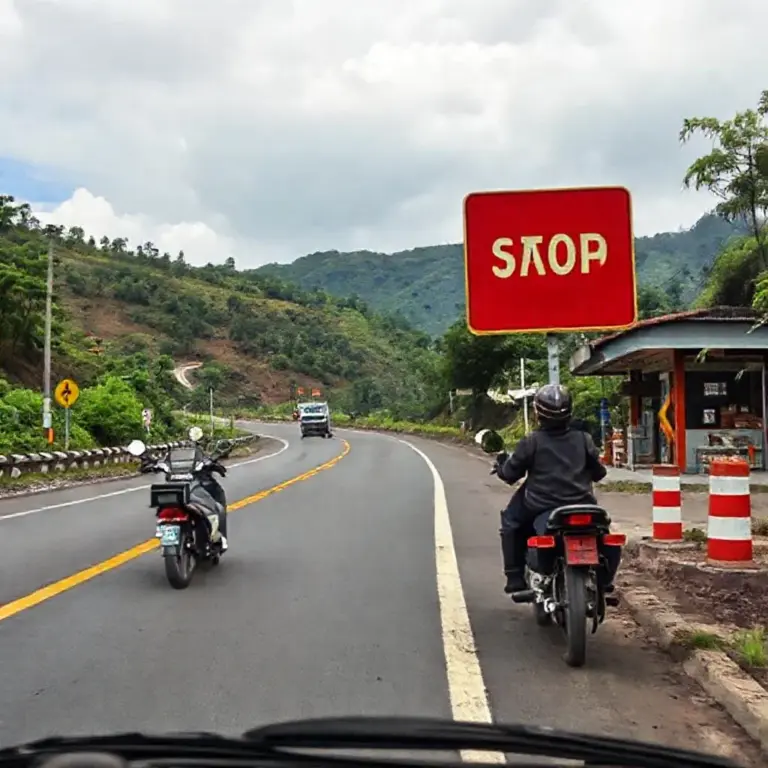
Road quality varies drastically. Major highways (like those connecting Jakarta to major Sumatran cities via ferry) are often excellent, but secondary and tertiary roads are often a patchwork of asphalt, gravel, and dirt.
- Sumatra: Expect heavy truck traffic, especially near ports and mining areas. Roads in Aceh and West Sumatra can be winding and steep, demanding caution, especially during the rainy season (typically October to April) when visibility drops and mudslides are a risk.
- Overtaking Culture: Indonesian driving is assertive. Be prepared for vehicles emerging from blind corners or overtaking in seemingly impossible situations. Defensive driving is mandatory.
- Potholes and Debris: Always scan far ahead. Unexpectedly large potholes or debris from construction or agriculture are common hazards.
Fuel Management and Availability
Fuel management is a critical component of Navigation, Road Conditions, Fuel, Accommodation and Local Regulations for Sumatra and Lombok planning, particularly for long-distance travel.
Petrol vs. Pertalite/Pertamax
The primary state-owned gas station is Pertamina. Look for the green ‘P’ logo. They offer different octane levels:
- Pertalite (Lower Octane): Widely available, cheaper, suitable for most standard motorbikes.
- Pertamax (Higher Octane): Recommended for modern, high-compression engines.
In very remote areas, you might only find fuel sold in recycled glass bottles by small vendors. This is usually lower quality and should only be used as an emergency top-up, never as a primary source.
Accommodation Strategies
Accommodation ranges from basic losmen (guesthouses) to luxury resorts. Booking flexibility is key when traveling by road.
Booking and Security
While major hubs allow for on-the-spot booking, pre-booking via platforms like Agoda or Booking.com is wise for popular tourist zones (e.g., Bukit Lawang, Kuta Lombok). Always inquire about secure parking. If traveling with a motorbike, ensure your vehicle can be parked inside a locked compound or under direct supervision, especially overnight.
For a truly immersive experience, try homestays, which often offer meals and invaluable local advice.
Here is a short video on general Indonesian road safety tips:
Essential Local Regulations and Documentation
Ignoring local laws is the fastest way to derail your trip. Understanding the Local Regulations for Sumatra and Lombok is non-negotiable.
Driving Permits and Vehicle Papers
International Driving Permit (IDP): If you are not an Indonesian citizen, you must carry an IDP, specifically one recognized under the 1949 Geneva Convention. Local police checks are common, and driving without the correct paperwork can lead to heavy fines or impoundment.
Vehicle Registration: If renting, ensure the vehicle registration (STNK) is current and that you have a valid rental agreement document showing you are authorized to use the vehicle.
Helmet and Seatbelt Laws
| Requirement | Sumatra & Lombok | Notes |
|---|---|---|
| Motorcycle Helmet | Mandatory (Both Rider & Passenger) | Must meet SNI standards. Spot checks are frequent. |
| Car Seatbelts | Mandatory for front seats | Enforcement is stricter in major cities. |
Note on Helmets: While enforcement can be lax in very rural areas, failing to wear one significantly increases penalties if you are involved in an accident.
Cultural Sensitivities and Local Customs
Both islands have strong regional cultures, particularly in areas dominated by Islamic traditions (like Aceh in Sumatra). Always dress modestly when visiting mosques or traditional villages. When passing through smaller villages, a slow speed and respectful demeanor are appreciated.
Conclusion: The Prepared Adventurer
Successfully navigating Sumatra and Lombok is a rewarding challenge. By prioritizing thorough preparation regarding Navigation, Road Conditions, Fuel, Accommodation and Local Regulations for Sumatra and Lombok, you transform potential hurdles into manageable checkpoints. Embrace the journey, respect the road, and the Indonesian islands will reward you with unparalleled beauty.
คำถามที่พบบ่อย (FAQ)
Is it safe to drive a rental car in Sumatra?
Driving a rental car is generally safer than driving a motorbike due to better visibility and protection, but you must contend with aggressive truck drivers and poor road maintenance in remote areas. Always ensure you have comprehensive insurance coverage.
Can I use my credit card for fuel or tolls?
Credit cards are rarely accepted for fuel (Pertamina) or road tolls outside of the most developed toll roads near Jakarta or major Sumatran cities. Carry significant amounts of Indonesian Rupiah (IDR) cash, especially for small purchases and rural fuel stops.
What is the best way to cross between Lombok and Bali by road/sea?
The most common route is via the Padang Bai (Bali) to Lembar (Lombok) ferry. This is a 24-hour service, often requiring an overnight stay on the vessel. Booking vehicle space in advance is highly recommended, especially during peak holiday seasons.
Are speed limits enforced in Indonesia?
Speed limits are posted but often ignored by locals. Enforcement tends to focus more on traffic violations like running red lights or driving without a helmet, rather than strict adherence to posted speed limits on highways.
References
UK Government Travel Advice for Indonesia
Lonely Planet Guide to Sumatra
- Indonesia by Motorbike: The Ultimate Guide to the Trans-Sumatran and Lombok Loops
- Planning Your Trans-Sumatran and Lombok Routes: best itineraries, distance, time, and seasonal tips for motorbike trips
- Preparing Your Bike and Gear for Long-Distance Indonesian Riding: maintenance, spare parts, camping and safety equipment checklist