Planning Your Trans-Sumatran and Lombok Routes: best itineraries, distance, time, and seasonal tips for motorbike trips
- Planning Your Trans-Sumatran and Lombok Routes: best itineraries, distance, time, and seasonal tips for motorbike trips
Indonesia offers unparalleled diversity for the intrepid rider, from the misty highlands of Aceh to the pristine beaches of the Gili Islands. However, these islands present unique logistical challenges regarding road quality, ferry schedules, and seasonal weather. As an expert in Indonesian overland travel, I’ve synthesized the critical data you need to craft an epic, safe, and unforgettable expedition.
The Grand Overview: Sumatra vs. Lombok Biking Profiles
Before diving into specific routes, understanding the fundamental differences between Sumatra and Lombok is crucial for resource allocation. Sumatra is vast, demanding months for a full traverse, while Lombok offers a compact, rewarding loop ideal for shorter trips.
Sumatra: The Epic Scale Adventure
Sumatra spans over 1,800 km from Sabang (North) to Bandar Lampung (South). A true Trans-Sumatra route requires significant time commitment.
Lombok: The Island Loop Challenge
Lombok is manageable in one week. The main objective is usually the full perimeter loop, often incorporating the ascent to Mount Rinjani base camps.
Essential Lombok Loop Data
A standard Lombok perimeter loop covers approximately 400-450 km, best enjoyed over 5 to 7 relaxed days to allow for beach time and exploration near Kuta Mandalika and Sembalun.
Best Itineraries for Planning Your Trans-Sumatran and Lombok Routes
The Essential Sumatra North-to-South Traverse (3-4 Weeks Minimum)
This itinerary focuses on the highlights accessible via the main western corridor (Trans-Sumatra Highway – TTSS).
- Aceh & Banda Aceh (Start): Acclimatize, visit the Tsunami Museum. Ride the northern tip.
- Bukit Lawang: Detour inland for Orangutan trekking. Excellent roads leading up to this area.
- Lake Toba (Samosir Island): A mandatory stop. Plan for 3-4 days here. The roads around the lake are superb riding territory.
- Bukittinggi, West Sumatra: Explore Minangkabau culture. The roads descending from the highlands are technically demanding but rewarding.
- Bukittinggi to Padang/Bukittinggi to Jambi: Choose your path. The Jambi route is generally flatter and faster toward the south.
- Palembang & Lampung: The final leg. Prepare for long, hot, straight rides before reaching the ferry port to Java/Bali/Lombok connection points.
The Perfect Lombok Rider’s Circuit (7 Days)
Start and end in Mataram/Senggigi or use the Lembar port if arriving from Java.
- Day 1-2: South Coast Exploration: Kuta Mandalika, Tanjung Aan. Focus on coastal views and surfing culture.
- Day 3: Central Highlands: Drive towards Sembalun (Rinjani gateway). Incredible views, cooler air.
- Day 4-5: North & East: Explore the quieter East coast (e.g., Labuan Lombok) before heading north to Bayan.
- Day 6-7: West Coast Return: Head back via Pusuk Pass (Monkey Forest) and Senggigi, utilizing the main highway for efficiency.
Crucial Seasonal Tips for Motorbike Touring in Indonesia
Weather dictates everything on a long motorbike tour. Understanding the monsoon cycles is non-negotiable for safe Planning Your Trans-Sumatran and Lombok Routes: best itineraries, distance, time, and seasonal tips for motorbike trips.
Rainy Season Hazards
The Best Times to Ride
The Shoulder Seasons (April-May and September-October) are generally ideal. You benefit from drier roads without the peak tourist crush of July/August.
Ferry Crossings: The Time Sink
Connecting Sumatra to Java (for the Lombok leg) or Java to Bali/Lombok requires significant planning. Ferries from Merak (Java) to Bakauheni (Sumatra) run frequently, but the crucial Java-Bali or Bali-Lombok crossings require booking ahead, especially during peak holidays.
Always factor in 1-2 buffer days around any major ferry crossing. Mechanical failures, weather delays, and bureaucracy are common.
Road Quality and Bike Preparation
Sumatra’s primary TTSS route is paved but often poorly maintained outside major cities. Lombok is generally better paved but has steep gradients. A dual-sport bike (e.g., a reliable 150cc-250cc Enduro or Adventure bike) is strongly recommended over a pure street bike.
Visualizing the Ride
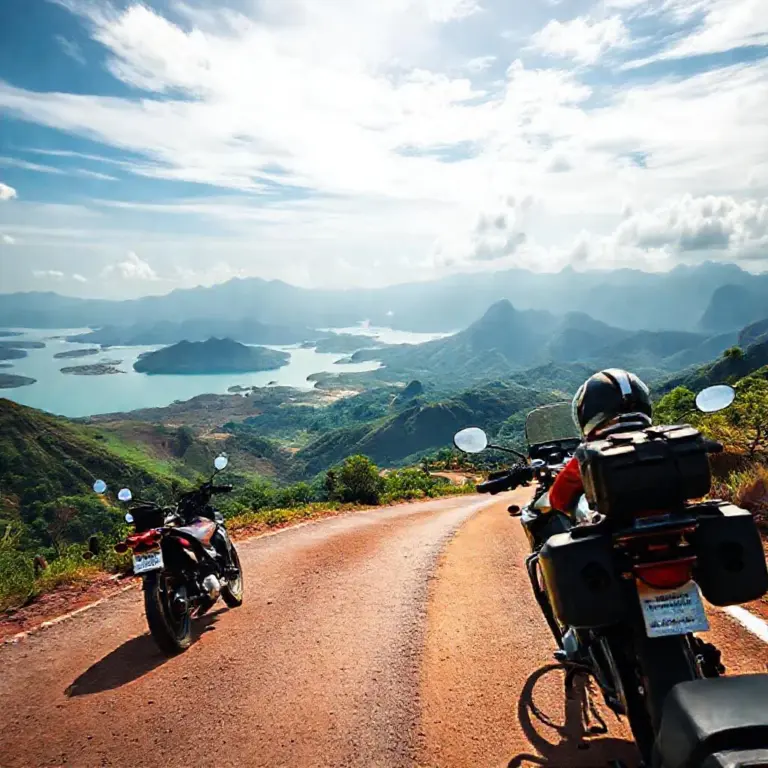
To give you a taste of the legendary roads and the scale of the journey, here is a visual guide to the Trans-Sumatra experience.
Beyond the routes themselves, mastering local driving customs is key to survival and enjoyment.
- Horn Etiquette: Use your horn frequently but politely. It signals intent, not aggression, especially around blind corners in the mountains.
- Fuel Planning: On secondary roads in Sumatra, petrol stations can be scarce. Always top up when you hit half a tank, even if you think you can make it to the next major town.
- Tolls and Checkpoints: While less common than in some other countries, be prepared for informal ‘road maintenance’ fees in remote areas. Keep small denominations of Rupiah handy.
- Navigation: Rely on offline maps (like Maps.me or downloaded Google Maps areas). Cell service drops completely in many parts of the Bukit Barisan Mountains.
คำถามที่พบบ่อย (FAQ)
References
- Indonesia by Motorbike: The Ultimate Guide to the Trans-Sumatran and Lombok Loops
- Preparing Your Bike and Gear for Long-Distance Indonesian Riding: maintenance, spare parts, camping and safety equipment checklist
- On the Road: Navigation, Road Conditions, Fuel, Accommodation and Local Regulations for Sumatra and Lombok