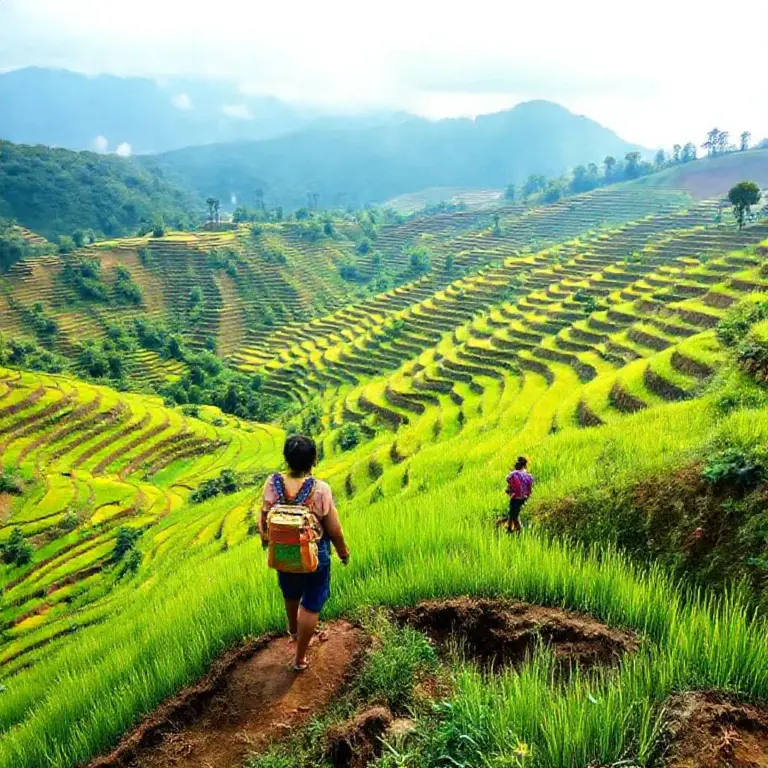
How to Get There and What to Expect: Practical Tips for Visiting Bali’s Rice Terraces and Booking a Hands-On Farming Experience
- How to Get There and What to Expect: Practical Tips for Visiting Bali’s Rice Terraces and Booking a Hands-On Farming Experience
Bali, the Island of the Gods, is renowned globally for its vibrant culture, spiritual ambiance, and, most famously, its breathtaking emerald-green rice paddies. These terraced landscapes are not just agricultural marvels; they are living cultural heritage sites managed through the ancient Subak irrigation system. For the modern traveler focused on How to Get There and What to Expect: Practical Tips for Visiting Bali’s Rice Terraces and Booking a Hands-On Farming Experience, navigating the options can seem daunting. This guide provides the expert insights you need to move beyond the tourist snapshots and immerse yourself in Bali’s agricultural heartland.
The Two Giants: Tegalalang vs. Jatiluwih Rice Terraces
When planning your visit, you will primarily encounter two major, UNESCO-recognized locations. Choosing between them depends heavily on your itinerary and desired level of immersion.
Tegalalang Rice Terraces: The Iconic View
Located just north of Ubud, Tegalalang is Bali’s most photographed rice terrace. Its dramatic, steep slopes offer incredible views, making it a must-see for first-time visitors.
- Accessibility: Extremely high. Close proximity to Ubud makes day trips easy.
- What to Expect: Crowds, numerous photo spots (often requiring a small fee), swings, and cafes overlooking the valley.
- Logistics: Expect to pay a small entrance fee (usually under IDR 50,000) per entrance point. Go early (before 9 AM) to beat the heat and the tour buses.
Jatiluwih Rice Terraces: UNESCO Grandeur
Jatiluwih, located in the Tabanan Regency, covers a vast expanse of over 600 hectares. It holds UNESCO World Heritage status for its sophisticated management system (Subak). It offers a much quieter, more authentic experience.
Logistics: How to Get There
Transportation options vary based on which terrace you choose and your starting point (usually Ubud or Seminyak/Canggu).
Private Driver or Taxi
This is the most flexible option, especially for Jatiluwih, which is further afield (about 1.5–2 hours from the south). Hiring a driver for a half or full day allows you to combine the rice terraces with other northern Bali sights like temples or waterfalls.
Renting a Scooter
For experienced riders, a scooter offers freedom. The roads leading to both locations are generally well-paved, though traffic near Tegalalang can be congested. Always ensure your international driving permit is valid.
Organized Tours
Many tour operators package the terraces with coffee plantation visits or volcano viewpoints. While convenient, these tours often limit your time at the terraces themselves.
Booking a Hands-On Farming Experience: Going Beyond Sightseeing
The most rewarding way to understand Bali’s agricultural soul is by getting your hands dirty. Hands-on farming experiences—often marketed as ‘Rice Paddy Treks’ or ‘Farmer for a Day’—connect you directly with local traditions. This answers the crucial part of understanding How to Get There and What to Expect regarding genuine interaction.
What to Expect from a Farming Workshop
These experiences are typically run by local families or small eco-tourism operators, often located slightly outside the main tourist hubs for authenticity.
- Introduction to Subak: Learn about the ancient democratic water-sharing system that sustains these fields.
- Plowing and Planting: You might try traditional methods using oxen or simply planting young rice seedlings by hand. Be prepared for mud!
- Harvesting Demonstration: Depending on the season, you may witness or participate in the traditional cutting of the mature stalks.
- Local Meal: Most packages conclude with a simple, delicious lunch made from freshly harvested ingredients, often cooked by the family hosting you.
Where to Book Your Experience
Booking is best done through reputable local tour agencies or directly via established platforms that vet their local partners. Check reviews focusing specifically on the depth of the farming activity versus just a short walk.
Embedded Video: Experiencing Bali’s Green Heart
To give you a visual taste of what awaits, watch this short documentary on the beauty and labor involved in maintaining these terraces.
Essential Practical Tips for Your Visit
To ensure your visit is enjoyable and respectful, keep these practical tips in mind. Understanding the local context enhances your entire Indonesia tourism adventure.
| Aspect | Tegalalang (Busy) | Jatiluwih (Spacious) |
|---|---|---|
| Best Time to Visit | Early Morning (7 AM – 9 AM) | Morning or Late Afternoon |
| What to Wear | Light clothing; sturdy shoes for paths. | Hiking shoes; sun protection is crucial. |
| Fees | Multiple small entry fees for viewpoints. | Single main entrance fee for the area. |
| Photography Ethics | Be mindful of long queues for popular spots. | More space, but always respect farming activity. |
Respecting the Land and Culture
The rice terraces are working farms, not theme parks. Always stay on marked paths unless explicitly invited onto the paddies by a guide or farmer. Tipping guides or farmers who allow you to interact with their land is highly appreciated. Showing respect for the Subak system honors centuries of Balinese ingenuity.
Conclusion: Harvesting Memories
Whether you choose the photogenic chaos of Tegalalang or the sprawling serenity of Jatiluwih, visiting Bali’s rice terraces is a fundamental part of the island experience. By preparing correctly and seeking out genuine hands-on farming experiences, you transform a simple photo stop into a profound cultural exchange. Armed with the knowledge of How to Get There and What to Expect: Practical Tips for Visiting Bali’s Rice Terraces and Booking a Hands-On Farming Experience, your journey into Bali’s agricultural heartland is set for success.
คำถามที่พบบ่อย (FAQ)
Is it okay to walk down into the rice terraces?
Yes, in many designated areas, particularly Tegalalang, there are paths that allow you to walk down and through the terraces. However, always follow the instructions of local staff or guides, and never trespass onto private sections where planting or harvesting is actively taking place.
How much money should I budget for a day trip to the terraces?
For entrance fees alone, budget around IDR 50,000 to IDR 100,000 per person for the major sites. A hands-on farming experience typically costs between IDR 350,000 to IDR 600,000 per person, depending on the length and inclusions.
When is the best season to see the rice terraces fully green?
The rice cycles vary by region, but generally, the most vibrant green stages occur between March and May, and again between September and November, following the main planting seasons.
Are the farming experiences suitable for children?
Many local operators offer family-friendly versions of the farming experience. Children usually enjoy the novelty of playing in the mud and planting seeds, but ensure the tour provider confirms age suitability beforehand.
Can I see the terraces near the airport (Denpasar)?
No. The major terraces (Tegalalang and Jatiluwih) are located inland, closer to Ubud and central Bali. Visiting them requires a dedicated travel time of at least 1.5 hours from the airport area.
References
- The Living Rice Terraces of Bali: Hands-On Farming and Cultural Experiences
- A Day in the Fields: Step-by-Step What Happens During a Hands-On Rice Farming Workshop in Bali (planting, irrigation, harvesting, tools)
- Cultural Context and Local Traditions: Understanding Subak Irrigation, Balinese Rituals, and Farmer Life Behind the Terraces