Why responsible encounters matter: conservation, local communities, and legal considerations in Nabire
- Why responsible encounters matter: conservation, local communities, and legal considerations in Nabire
Nabire, a hidden gem nestled on the northern coast of West Papua, Indonesia, offers an unparalleled canvas of natural beauty and cultural richness. From the vibrant marine life of Cenderawasih Bay, home to majestic whale sharks, to the lush rainforests teeming with unique biodiversity, Nabire beckons adventurers and nature enthusiasts. However, with its rising appeal, the importance of responsible encounters in Nabire becomes paramount. This isn’t just about enjoying the scenery; it’s about ensuring the long-term health of its ecosystems, respecting the local communities who call this land home, and adhering to the legal frameworks designed to protect its precious resources. For anyone considering a journey to this enchanting region, understanding these pillars of responsible tourism is not merely a suggestion but a necessity. Let’s delve into why every interaction here carries significant weight and how conscious travel can make a profound positive impact.
Nabire’s Natural Treasures and the Urgency of Conservation
Nabire’s ecological significance is immense, making conservation efforts a critical component of any tourism strategy. The region is a biodiversity hotspot, a living laboratory where unique species thrive, many of which are found nowhere else on Earth. Responsible tourism is the vanguard against environmental degradation, ensuring these natural wonders are preserved for future generations.
Unique Biodiversity and Ecosystems
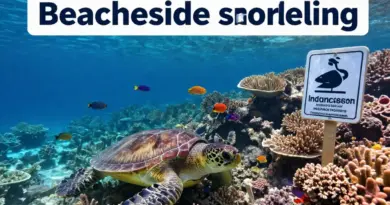
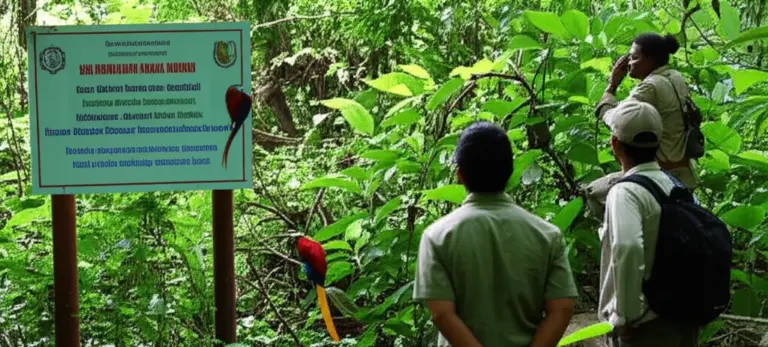
The crown jewel of Nabire’s marine environment is undoubtedly Cenderawasih Bay National Park. This vast marine protected area is renowned for its incredible diversity of coral reefs, fish species, and, most famously, its resident whale sharks. These gentle giants attract divers and snorkelers from around the globe, offering a truly once-in-a-lifetime experience. On land, the dense tropical rainforests are home to a myriad of bird species, including several endemic to Papua, as well as unique flora and fauna. These ecosystems are delicate and easily disturbed by human activity, highlighting the need for careful management and respectful engagement from visitors. Protecting these habitats means safeguarding the delicate balance of nature that sustains not only the wildlife but also the local communities.
Threats and Challenges
Despite its protected status, Nabire faces significant environmental threats. Illegal fishing practices, plastic pollution, and habitat destruction from unsustainable resource extraction pose serious risks to its pristine environments. The burgeoning interest in tourism, while offering economic opportunities, also presents challenges if not managed responsibly. Over-tourism can lead to increased waste, damage to coral reefs from careless diving, and disturbance to wildlife. Therefore, every visitor’s choice, from their tour operator to their waste disposal habits, contributes to either mitigating or exacerbating these challenges. This is where the concept of responsible encounters in Nabire truly comes into play, advocating for practices that minimize negative impacts and actively support conservation initiatives.
Empowering Local Communities Through Responsible Tourism
The people of Nabire, primarily indigenous Papuan communities, are the custodians of this land. Their traditions, knowledge, and way of life are intricately linked to the natural environment. Responsible tourism provides a pathway for these communities to benefit directly from visitors, fostering a symbiotic relationship between travelers and locals.
Economic Benefits and Livelihood Support
When tourism is conducted responsibly, it can be a powerful engine for local economic development. By choosing locally-owned accommodations, dining at local eateries, purchasing handmade crafts directly from artisans, and hiring local guides, tourists inject much-needed revenue directly into the community. This supports livelihoods, creates employment opportunities, and reduces the reliance on potentially destructive industries. For example, local fishermen in Cenderawasih Bay have transitioned into whale shark guides, providing an income that directly incentivizes the protection of these magnificent creatures.
Cultural Preservation and Respect
Nabire’s cultural tapestry is as rich and diverse as its ecosystems. Indigenous Papuan cultures are vibrant, with unique languages, customs, and traditional arts. Responsible tourism encourages respectful cultural exchange, allowing visitors to learn about and appreciate these traditions without contributing to their commodification or erosion. This means asking for permission before taking photographs, dressing modestly, respecting local customs, and engaging with locals in a way that is appreciative and non-intrusive. Supporting cultural preservation through tourism ensures that these invaluable traditions continue to thrive alongside economic growth.
Indonesia, particularly in ecologically sensitive regions like West Papua, has specific laws and regulations governing tourism and environmental protection. Adhering to these is not just a matter of compliance but a fundamental aspect of responsible encounters in Nabire.
Indonesian Tourism Regulations
Indonesia has a robust framework for environmental protection and tourism, especially within national parks and marine protected areas. Visitors are expected to comply with rules regarding waste management, wildlife interaction (e.g., maintaining distance from marine life, no touching or feeding), and restricted areas. For Cenderawasih Bay National Park, specific guidelines are in place to protect the whale sharks and coral reefs. These often include limits on boat numbers, designated viewing zones, and prohibitions against sunscreen containing harmful chemicals. Ignorance of these laws is not an excuse, and violations can lead to significant penalties.
Local Customs and Traditional Laws
Beyond national laws, indigenous communities in Nabire often have their own traditional laws (adat) and customs that govern land use, resource management, and social conduct. These unwritten rules are deeply respected and play a vital role in maintaining social harmony and environmental stewardship. Travelers should be mindful of and respect these local norms, often conveyed through local guides or community leaders. For instance, certain sacred sites may have restricted access, or specific protocols might be expected during community visits. Respecting ‘adat’ is a sign of true cultural appreciation and responsible engagement.
Permitting and Visitor Guidelines
Entry into national parks and certain remote areas in West Papua often requires permits. These permits help regulate visitor numbers, fund conservation efforts, and ensure that activities are conducted safely and sustainably. Reputable tour operators will handle these permits, but it’s always wise for travelers to confirm that all necessary permissions are in place. Additionally, visitors should familiarize themselves with specific guidelines for activities like diving, trekking, or wildlife viewing to minimize their impact.
Practical Steps for Responsible Visitors
Embracing responsible encounters in Nabire is an active choice. Here are actionable steps every traveler can take to ensure their visit is beneficial for both the environment and the local people:
Choose Eco-friendly Operators
Research and select tour companies that demonstrably prioritize sustainability. Look for certifications, clear environmental policies, and a commitment to employing and training local staff. They should adhere to strict codes of conduct for wildlife interactions and waste management.
Support Local Businesses
Beyond tour operators, spend your money at locally-owned guesthouses, restaurants, and shops. Purchase souvenirs made by local artisans, ensuring your money directly benefits the community rather than large, external corporations.
Respect Wildlife and Environment
Maintain a respectful distance from all wildlife, never feed animals, and avoid touching marine life or coral reefs. Pack out everything you pack in, minimizing waste and ensuring no litter is left behind. Use reef-safe sunscreen to protect marine ecosystems.
Understand and Adhere to Local Norms
Be mindful of local customs, dress codes, and social etiquette. Learn a few basic phrases in the local language to show respect. Always ask for permission before photographing people, especially children, and be open to learning from your local guides.
The video above showcases the incredible marine life, including whale sharks, in Cenderawasih Bay, highlighting the natural wonders that responsible tourism seeks to protect.
The Future of Sustainable Tourism in Nabire
Nabire stands at a pivotal moment. Its natural beauty and cultural heritage offer immense potential for sustainable tourism, but this potential can only be fully realized through collective responsibility. By prioritizing conservation, empowering local communities, and respecting legal and ethical considerations, visitors can ensure that their responsible encounters in Nabire contribute to a legacy of preservation and prosperity. The choices made today by travelers and tourism providers alike will shape the future of this extraordinary corner of Indonesia, ensuring its wonders remain for generations to come. Embrace the call for responsible travel, and be a part of Nabire’s sustainable journey.
คำถามที่พบบ่อย (FAQ)
Here are some frequently asked questions regarding responsible tourism in Nabire:
| Question | Answer |
|---|---|
| What is the most famous natural attraction in Nabire? | Cenderawasih Bay National Park, particularly known for its resident whale shark population, is Nabire’s most famous natural attraction. |
| How can I ensure my visit benefits local communities? | You can support local communities by choosing locally-owned accommodations and tour operators, hiring local guides, purchasing local handicrafts, and dining at local eateries. |
| Are there specific rules for interacting with whale sharks in Cenderawasih Bay? | Yes, strict guidelines are in place, including maintaining a safe distance (typically 3-4 meters), avoiding touching or feeding them, and using reef-safe sunscreen. Always follow your guide’s instructions. |
| What kind of legal considerations should I be aware of when traveling to Nabire? | Visitors must adhere to Indonesian national park regulations, local customs (adat), and obtain necessary permits for certain areas. Environmental protection laws, especially regarding waste and wildlife interaction, are strictly enforced. |
| Why is it important to practice responsible tourism in Nabire? | Responsible tourism in Nabire helps protect its unique biodiversity, supports the livelihoods and cultural preservation of local communities, and ensures the sustainable development of the region for future generations. |
References
- Indonesia Travel – Nabire
- Conservation International – Whale Sharks of Cenderawasih Bay
- UNESCO – Indonesia’s Commitment to Sustainable Tourism
- Responsible Whale Shark Encounters in Nabire: Codes of Conduct, Best Seasons, and How to Plan a Safe, Ethical Visit
- When to go: seasonality, whale shark migration patterns, and ideal conditions for ethical sightings
- Rules of engagement: local codes of conduct, safe distances, permitted activities, and tips for minimizing disturbance