A Day in the Fields: Step-by-Step What Happens During a Hands-On Rice Farming Workshop in Bali (planting, irrigation, harvesting, tools)
- A Day in the Fields: Step-by-Step What Happens During a Hands-On Rice Farming Workshop in Bali (planting, irrigation, harvesting, tools)
- The Allure of Balinese Agritourism
- Step 1: Preparation and Introduction to the Subak System
- Step 2: The Art of Traditional Rice Planting (Malah)
- Step 3: Managing Water Flow and Irrigation
- Step 4: The Harvest and Traditional Processing (If Applicable)
- Essential Tips for Your Rice Farming Workshop
- Conclusion: Taking Home More Than Souvenirs
- คำถามที่พบบ่อย (FAQ)
Welcome to the heart of Balinese culture! For visitors eager to move beyond the beaches, participating in a Hands-On Rice Farming Workshop in Bali offers an unparalleled connection to the island’s soul. This guide details exactly what you can expect during a typical day, covering the ancient techniques of planting, managing the vital irrigation system, and the satisfaction of the final harvest.
The Allure of Balinese Agritourism
Bali is famous for its stunning terraced rice fields, most notably the Jatiluwih and Tegalalang areas. These aren’t just scenic backdrops; they are living testaments to the Subak system—an ancient, democratic, and ecologically sound water management network recognized by UNESCO. A workshop allows tourists to step into the shoes of a local farmer (petani) and truly understand this heritage. The search intent for this experience is deeply informational and experiential, seeking a genuine cultural immersion.
Why Choose a Hands-On Rice Farming Workshop in Bali?
It’s about more than just taking photos. It’s about understanding sustainability, community cooperation, and the spiritual significance rice holds in Balinese Hindu life. Most workshops start early to beat the midday heat and maximize the experience.
Step 1: Preparation and Introduction to the Subak System
Your day begins with a welcome, often accompanied by traditional Balinese coffee or tea. The instructor, usually an experienced local farmer, will provide an essential orientation. This is where you learn the historical and spiritual context of rice cultivation.
Understanding the Tools of the Trade
Before touching the mud, you are introduced to the essential equipment:
- Cangkul (Hoe): For turning and leveling the soil.
- Ani-Ani (Hand Reaper): A small, traditional knife used for harvesting individual stalks to respect the spirit of the rice plant (though modern methods might involve sickles).
- Bale: The traditional woven hat providing essential sun protection.
- Paddy Field Boots: Often provided, these are simple rubber boots to protect your feet in the muck.
Step 2: The Art of Traditional Rice Planting (Malah)
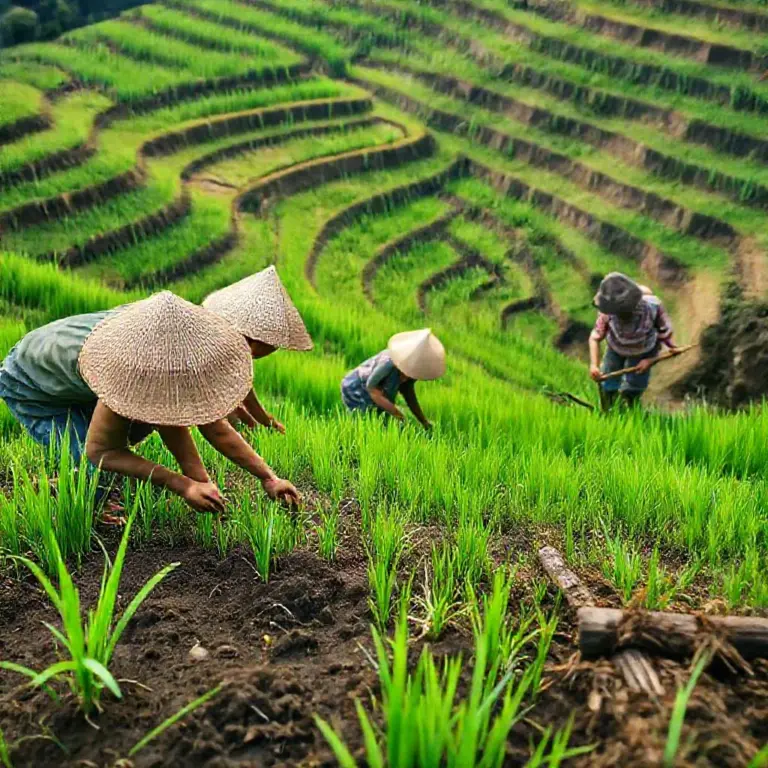
This is often the most physically demanding and memorable part of the Hands-On Rice Farming Workshop in Bali. You will be wading into the flooded, muddy paddy field. The seedlings, which have been nurtured in a separate nursery bed for several weeks, are now ready for transplanting.
The Planting Technique
The instructor demonstrates the precise, rhythmic method required for successful planting. Tourists usually attempt to mimic this, often finding it surprisingly challenging to maintain balance and spacing:
- Bend low, holding a small bundle of seedlings in your dominant hand.
- Gently push the roots of 2-3 seedlings into the soft mud, ensuring they are deep enough to stand but shallow enough for the upper leaves to receive sunlight.
- Maintain consistent spacing (about a hand-span apart) to allow for optimal growth and airflow.
- Move systematically across the designated section of the field.
It is a meditative process, connecting you directly with the earth. Expect to get completely covered in mud—it’s part of the authentic experience!
Step 3: Managing Water Flow and Irrigation
Water is life in Bali, managed communally through the Subak system. A crucial part of the workshop involves understanding how water is channeled from sacred mountain springs through bamboo pipes and intricate earthen ditches to ensure every plot gets its fair share.
You might participate in tasks like clearing small blockages or adjusting small wooden gates (weirs) to control the flow rate into the next terrace. This highlights the cooperative governance that keeps Bali’s agriculture thriving for centuries. This shared responsibility is a core aspect of Balinese philosophy.
Experiencing the Balinese Landscape
Midday often involves a break, perhaps enjoying the view from a small shelter, where the guide might share stories about local legends tied to the rice paddies. It’s the perfect moment to reflect on the intensive labor involved in producing the staple food you eat daily.
Immersive Video: A Look at Balinese Farming Life
See the techniques in action before you try them yourself!
Step 4: The Harvest and Traditional Processing (If Applicable)
While many workshops focus primarily on planting (as the full growth cycle takes months), some specialized tours might simulate or demonstrate the final stage: harvesting. If your tour includes this, you will learn the respectful harvesting techniques.
Using the Ani-Ani
Unlike the harshness of a sickle, the Ani-Ani requires patience. You cut stalks one by one, symbolizing gratitude. After cutting, the rice grains must be threshed—the process of separating the grain from the stalk. This is physically demanding, often involving beating the stalks against a hard surface or using simple manual winnowing fans.
Culinary Conclusion: Nearly all workshops conclude with a traditional Balinese lunch, often featuring rice cultivated right there in the fields you just worked on. This full-circle experience solidifies the value of the agricultural process.
Essential Tips for Your Rice Farming Workshop
To ensure you get the most out of your Hands-On Rice Farming Workshop in Bali, preparation is key. Remember, you are participating in a working environment, not just a tourist attraction.
- Wear Appropriate Clothing: Light, quick-drying clothes are best. Bring an extra set to change into later.
- Sun Protection: Even early in the morning, the sun reflecting off the water is intense. Wear sunscreen and a hat.
- Waterproof Footwear: While boots are often provided, ensure you have something waterproof or be prepared to go barefoot in the mud.
- Hydration: Drink plenty of water provided by the hosts, as the physical labor in the tropical humidity is tiring.
Conclusion: Taking Home More Than Souvenirs
A day spent planting rice in Bali is a profound lesson in patience, community, and environmental stewardship. By actively engaging in the planting, irrigation, and understanding of traditional tools, you gain respect for the Balinese way of life that goes far beyond a simple sightseeing tour. It is an E-E-A-T (Experience, Expertise, Authority, Trust) building activity for any traveler seeking depth in Indonesia.
คำถามที่พบบ่อย (FAQ)
References
- UNESCO World Heritage Centre: The Cultural Landscape of Bali Province
- Official Bali Tourism Information Portal
- The Living Rice Terraces of Bali: Hands-On Farming and Cultural Experiences
- How to Get There and What to Expect: Practical Tips for Visiting Bali’s Rice Terraces and Booking a Hands-On Farming Experience
- Cultural Context and Local Traditions: Understanding Subak Irrigation, Balinese Rituals, and Farmer Life Behind the Terraces