Cultural Context and Local Traditions: Understanding Subak Irrigation, Balinese Rituals, and Farmer Life Behind the Terraces
- Cultural Context and Local Traditions: Understanding Subak Irrigation, Balinese Rituals, and Farmer Life Behind the Terraces
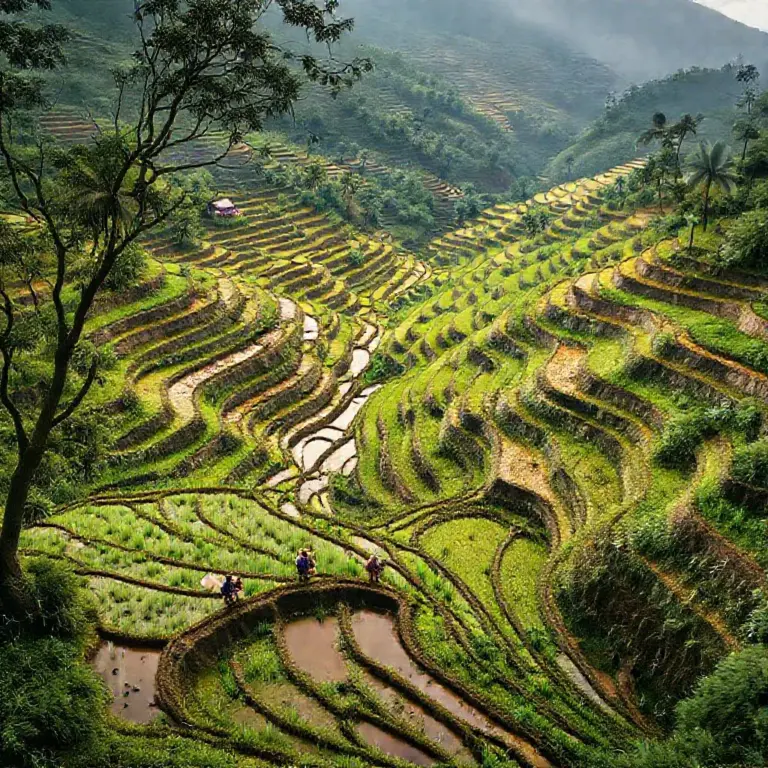
Bali, the Island of the Gods, is renowned globally for its emerald-green rice paddies cascading down impossibly steep slopes. These terraces are not merely agricultural wonders; they are the physical manifestation of a profound spiritual and social ecosystem known as Subak. To truly appreciate the beauty of Jatiluwih or Tegalalang, visitors must delve beyond the aesthetics to grasp the deep Cultural Context and Local Traditions: Understanding Subak Irrigation, Balinese Rituals, and Farmer Life Behind the Terraces that sustains this UNESCO World Heritage system. This intricate network embodies Balinese philosophy, where water management is inseparable from religious devotion.
The Subak System: A Philosophy Embodied in Water
Subak is far more than a simple gravity-fed irrigation method. It is a democratic, cooperative social structure that has governed water distribution across Bali for centuries. Its philosophical underpinning is Tri Hita Karana—the Balinese concept promoting harmony among humans, nature, and the divine. This principle mandates that every farmer, regardless of land size, receives an equitable share of the precious water from the local temple (Pura Tirta).
Democratic Governance and Water Allocation
The management of each Subak unit, typically covering several hectares, is overseen by a Pekaseh (head farmer). The Pekaseh ensures that water flow adheres strictly to traditional rules established by consensus. Decisions regarding planting schedules, water rationing during dry spells, and maintenance of the complex network of tunnels, weirs, and channels are made communally. This social contract ensures agricultural productivity while preventing conflict, showcasing an ancient, highly effective form of resource management.
The Spiritual Connection: Water Temples (Pura Tirta)
At the heart of the Subak system lie the Pura Tirta, or Water Temples. These temples are dedicated to Dewi Danu, the goddess of lakes and rivers. These are not just places of worship; they are the regulatory centers for water distribution. The rituals performed here are crucial, as they are believed to ensure the purity and abundance of the water supply for the entire community.
Traveler Insight: Pura Ulun Danu Batur
One of the most significant Water Temples is Pura Ulun Danu Batur, situated near Mount Batur. It oversees the irrigation for a vast area of central Bali, underscoring the direct link between high-altitude spirituality and lowland farming success. Understanding this connection is key to appreciating the Cultural Context and Local Traditions: Understanding Subak Irrigation, Balinese Rituals, and Farmer Life Behind the Terraces.
Balinese Rituals Woven into the Farming Calendar
The life of a Balinese farmer is punctuated by ceremonies that align agricultural cycles with the Hindu calendar. These rituals serve to honor the deities, purify the land, and ensure a bountiful harvest. These practices are vital components of the local traditions that tourists seek to experience.
Piodalan: Temple Anniversaries
Every temple, including the Subak water temples, celebrates its anniversary (Piodalan) on a specific day according to the Balinese 210-day Pawukon calendar. These events involve elaborate offerings, music (gamelan), and processions. Farmers often coordinate their planting and harvesting schedules around these significant dates, demonstrating reverence over rigid economic planning.
Paddy Field Blessings and Purification
Before planting the first rice seedlings (nandur), special prayers and offerings are made to ask for protection from pests and disease. Similarly, after the final harvest, gratitude is expressed through ceremonies known as Dewi Sri offerings, honoring the rice goddess. These acts reinforce the spiritual contract between the farmers and the natural world.
The Daily Rhythm of Farmer Life Behind the Terraces
The romantic view of the terraces often obscures the sheer physical labor involved. Farmer life in Bali is a testament to resilience and community cooperation. While modern technology has introduced some changes, the core methods remain deeply traditional.
Traditional Farming Techniques
The process begins with the preparation of the soil, often involving water buffaloes for plowing, though tractors are increasingly common in larger areas. Transplanting the young seedlings is almost universally done by hand, a communal activity where neighbors help each other. The harvest follows, where specialized sickles are used to cut the mature stalks. Here is a short video illustrating the traditional cycle:
Community Structure and Mutual Aid (Gotong Royong)
The concept of Gotong Royong (mutual cooperation) is central to farmer life. When a family needs help repairing an irrigation ditch, building a new dike, or during a major planting day, the entire Subak community pitches in without expectation of immediate monetary reward. Work is repaid through reciprocal help or contributions to community feasts.
Preserving Heritage: Subak in the Modern Era
Designated a UNESCO World Heritage site in 2012, the Subak system faces new challenges, primarily from rapid tourism development and urbanization, which threaten water sources and traditional land use. Recognizing its value, local governments and farmer associations are working to formally protect the historical boundaries and the spiritual integrity of the system. Understanding the Cultural Context and Local Traditions: Understanding Subak Irrigation, Balinese Rituals, and Farmer Life Behind the Terraces is now part of the conservation effort itself.
| Element | Cultural Significance | Practical Role |
|---|---|---|
| Pekaseh | Leadership and consensus-building | Manages water flow and resolves disputes |
| Pura Tirta | Honoring Dewi Danu (Water Goddess) | Source of regulatory authority and purification |
| Tri Hita Karana | Philosophical foundation of harmony | Ensures equitable resource sharing |
คำถามที่พบบ่อย (FAQ)
References
- UNESCO World Heritage Centre: Cultural Landscape of Bali Province
- Official Bali Tourism Portal (General Information)
- The Living Rice Terraces of Bali: Hands-On Farming and Cultural Experiences
- How to Get There and What to Expect: Practical Tips for Visiting Bali’s Rice Terraces and Booking a Hands-On Farming Experience
- A Day in the Fields: Step-by-Step What Happens During a Hands-On Rice Farming Workshop in Bali (planting, irrigation, harvesting, tools)