Dayak Longhouse Stays in Kalimantan: How to Visit Responsibly and Respect Local Culture
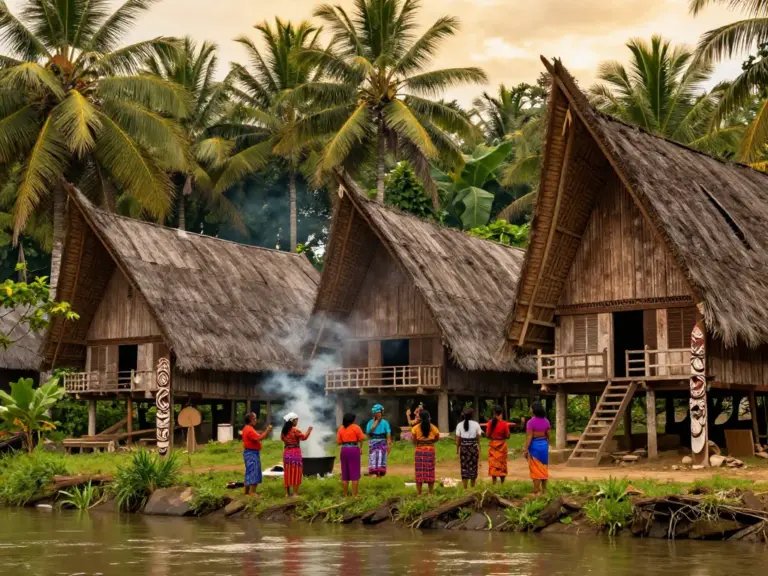
Deep within the lush rainforests of Kalimantan, the Indonesian portion of Borneo, lies a living testament to communal harmony and ancient tradition: the Dayak Longhouse, or Rumah Betang. For the intrepid traveler, Dayak Longhouse Stays in Kalimantan offer a profound opportunity to step away from modern distractions and immerse oneself in a culture defined by collective living, intricate artistry, and a deep spiritual connection to the land. However, entering these sacred communal spaces requires more than just a plane ticket; it demands a commitment to responsible tourism and cultural sensitivity.
Understanding the Significance of Dayak Longhouse Stays in Kalimantan
The Dayak people are the indigenous inhabitants of Borneo, comprised of over 200 ethnic subgroups, each with its own dialect and nuances. The longhouse serves as the architectural heart of their society. Staying here allows visitors to witness daily rituals, from the weaving of intricate rattan baskets to the rhythmic pounding of rice. By choosing Dayak Longhouse Stays in Kalimantan, you are participating in a form of community-based tourism that, when done correctly, provides vital income to remote villages and incentivizes the preservation of traditional architecture and customs.
Essential Etiquette for a Respectful Visit
Respect is the currency of the rainforest. When visiting a longhouse, keep these cultural pillars in mind to ensure your presence is a blessing, not a burden:
- Remove Your Shoes: Always leave your footwear at the entrance of the longhouse or before stepping onto the raised wooden platforms.
- Seek Permission: Never enter a private family quarters (the bilik) without an explicit invitation from the head of the household.
- The Tradition of Gifting: It is customary to bring small, useful gifts for the community or the headman (Kepala Adat). Items like tea, sugar, or school supplies for children are highly appreciated. Avoid giving candies or plastic-heavy items.
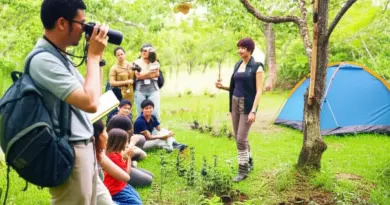
- Ask Before Acting: Before taking photos of people, especially elders or during ceremonies, always ask for permission. A simple gesture and a smile go a long way.
Sustainable Travel and Environmental Stewardship
Kalimantan’s ecosystem is fragile. As a visitor, your environmental footprint should be as light as possible. Many longhouses are located near pristine rivers that serve as the primary water source for the community. Avoid using chemical-heavy soaps or shampoos in the river. Furthermore, manage your waste strictly; if you bring plastic packaging in, be prepared to carry it back out to a major city with proper waste facilities, as remote villages often lack disposal infrastructure.
What to Expect During Your Stay
Accommodation in a longhouse is basic and communal. You will likely sleep on a thin mattress or a woven mat on the floor, protected by a mosquito net. Meals are shared and typically consist of locally grown rice, river fish, and jungle ferns. This simplicity is part of the charm, offering a rare chance to disconnect from the digital world and reconnect with human stories.
| Feature | Description |
|---|---|
| Sleeping Arrangement | Communal veranda or shared guest room with mats. |
| Food | Traditional organic fare (rice, vegetables, local proteins). |
| Facilities | Basic squat toilets and mandi (bucket) baths. |
| Connectivity | Very limited to no cellular reception or Wi-Fi. |
How to Arrange Your Visit
To ensure your visit is ethical, it is best to book through reputable eco-tour operators who have established long-term relationships with Dayak communities. These operators ensure that a fair percentage of the fees go directly to the village and provide guides who can translate and explain the complex social structures of the longhouse.
คำถามที่พบบ่อย (FAQ)
Q: Is it safe to stay in a Dayak Longhouse?
A: Yes, Dayak communities are known for their incredible hospitality. However, it is always recommended to visit with a local guide who understands the language and customs.
Q: What should I wear during my stay?
A: Modesty is key. Wear clothing that covers your shoulders and knees. This is respectful to the elders and the traditional values of the community.
Q: Do I need to speak the local language?
A: While many younger Dayaks speak Indonesian (Bahasa Indonesia), having a guide who speaks the specific Dayak dialect is invaluable for a deeper cultural exchange.
Q: Can I visit any longhouse I find?
A: It is not polite to show up unannounced. Always coordinate through a community leader or a registered tour operator to ensure the village is ready and willing to receive guests.
References
- Official Indonesia Tourism – Kalimantan Guide
- UNESCO – Intangible Cultural Heritage and Indigenous Communities
- WWF – Conservation in Borneo