Why visit Maluku? Understanding the region’s spice history, cultural context, best travel seasons, and how Ambon and the Banda Islands fit into the story
- Why visit Maluku? Understanding the region’s spice history, cultural context, best travel seasons, and how Ambon and the Banda Islands fit into the story
Nestled in the heart of the Indonesian archipelago, the Maluku Islands, historically known as the Spice Islands, beckon travelers with a captivating blend of rich history, vibrant culture, and breathtaking natural beauty. Far beyond the well-trodden paths of Bali, Maluku offers an authentic journey into a realm where the echoes of colonial struggles mingle with the aroma of nutmeg and cloves, and where ancient traditions thrive amidst pristine seas. If you’re seeking an extraordinary Indonesian adventure, understanding Maluku’s spice history and travel nuances, particularly concerning Ambon and the legendary Banda Islands, is essential for an unforgettable experience.
The Scent of History: Maluku’s Spice Legacy
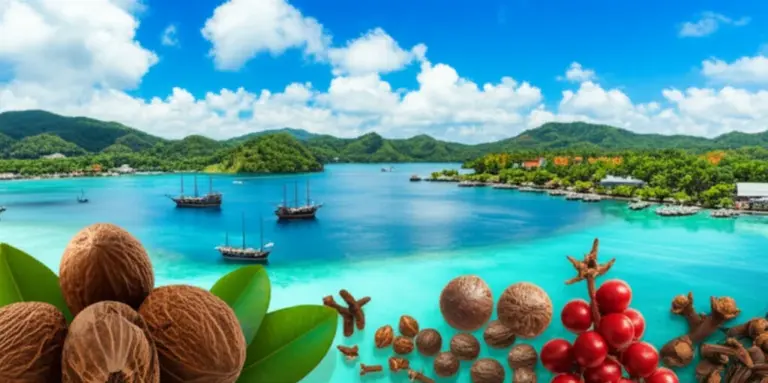
For centuries, the Maluku Islands were the sole global source of precious nutmeg and cloves, spices so coveted they reshaped world history. Arab, Indian, and Chinese traders first established routes to these remote islands, but it was the arrival of European powers in the 16th century that ignited a fierce struggle for control. The Portuguese, followed by the Dutch and briefly the British, battled for dominance over this lucrative trade, leaving an indelible mark on the islands’ landscape and culture. This intense competition for these aromatic treasures defines much of Maluku spice history and travel narratives. [9, 6]
Colonial Footprints
The legacy of this era is visible in numerous historical forts scattered across the islands. Fort Belgica in the Banda Islands, a formidable 17th-century Dutch fortress, stands as a stark reminder of the islands’ turbulent past. Other notable sites include Fort Amsterdam on Ambon, which once hosted German naturalist Georg Everhard Rumphius, and Fort Duurstede on Saparua Island, a witness to the Pattimura War of resistance against Dutch monopoly. [13]
A Mosaic of Cultures: Maluku’s Rich Heritage
Beyond its historical significance, Maluku boasts a vibrant and diverse cultural tapestry. The people of Maluku are a blend of various ethnic groups, including Austronesian, Basin, Deutro Melayu, and Melanesian races, resulting in unique traditions, languages, and customs. [11] The Maluku Islands are considered a geographical and cultural intersection of Asia and Oceania, with deep historical ties to Pacific Island nations, evident in shared languages, music, and food culture. [15, 19]
- Kalwedo: A concept of joint ownership and common life, deeply rooted in the indigenous communities of Southwest Maluku, expressed through language games, customs, and discourse. [10, 11]
- Pela Gandong: A unique tradition of inter-village alliances based on ancestral agreements, reinforced by rituals and symbolic acts of unity. [14]
- Music and Dance: Maluku is known for its traditional dances like the Poco-poco, a popular line dance, and the Tifa Tanimbar Dance, performed with the traditional Tifa musical instrument. [18]
- Cuisine: Local cuisine often features sago, a staple food, and a variety of fish-based dishes, reflecting the islands’ strong connection to the sea. [11]
Ambon: The Vibrant Gateway
Ambon, the capital of Maluku province, serves as the primary gateway to this enchanting region. Historically, Ambon’s strategic location and its clove trade attracted European powers. Today, it’s a bustling hub offering a blend of urban life and natural wonders. [6, 16] Ambon Bay is renowned for its rich marine life and unique underwater landscapes, making it a popular destination for divers. [3] Visitors can also explore historical sites like Fort Amsterdam, relax at beautiful beaches such as Natsepa Beach, and discover World War II relics. [13, 16]
Getting to Ambon
Pattimura International Airport (AMQ) in Ambon has daily flights from major Indonesian cities like Jakarta, Makassar, and Bali, making it the main entry point to the Maluku Islands. [4, 16]
The Banda Islands: Cradle of Nutmeg and Underwater Wonders
The Banda Islands are arguably the crown jewels of Maluku, holding immense significance in global history as the world’s original and sole source of nutmeg. This tiny archipelago was once considered the most valuable real estate on Earth, leading to brutal colonial conflicts. Today, the islands offer a serene escape with a dramatic backdrop of history and nature. [17, 23, 25]
For those interested in Maluku spice history and travel, the Banda Islands are a must-visit. Explore Fort Belgica, hike the active Gunung Api volcano for panoramic views, and wander through historical nutmeg plantations. [17, 25] The underwater world surrounding the Banda Islands is equally spectacular, boasting pristine coral reefs, abundant marine life, and excellent visibility for diving and snorkeling. It’s a true paradise for underwater enthusiasts. [16, 20, 25]
Explore the breathtaking underwater world and vibrant culture of the Banda Neira Islands.
Timing Your Visit: Best Seasons for Maluku Spice History and Travel
Planning your trip to Maluku requires understanding its unique climate patterns. While much of Indonesia experiences a dry season from April to September, Maluku’s weather can vary by region. For Southern Maluku, which includes Ambon and the Banda Islands, the best time to visit is generally from May to October. During these months, you’ll find ideal beach weather, stunning diving conditions, and vibrant local festivals. [8]
It’s important to note that the wet season (typically November to April for Southern Maluku) can bring heavier rainfall and rougher seas, potentially impacting inter-island travel and diving conditions. Flexibility is key when traveling to these remote islands. [3, 24]
Planning Your Maluku Adventure
While Maluku offers unparalleled beauty and rich experiences, it’s considered an off-the-beaten-path destination, requiring a bit more planning and flexibility than more popular Indonesian spots. From Ambon, you can access other islands via regional flights and ferries. For the Banda Islands, options include Pelni ferries, fast boats, and small planes, though schedules can be unpredictable and subject to weather conditions. [4, 17, 26] Embrace the adventure, and you’ll be rewarded with a journey unlike any other.
Conclusion
Maluku is more than just a destination; it’s a living museum of global history, a vibrant canvas of diverse cultures, and a sanctuary of natural wonders. From the pivotal role of its spices in shaping world trade to the captivating traditions of its people and the pristine beauty of its underwater realms, the Maluku Islands offer an enriching experience for the adventurous traveler. Whether you’re exploring the bustling streets of Ambon or diving into the historical depths of the Banda Islands, a journey to Maluku promises an unforgettable encounter with Indonesia’s hidden paradise, deeply intertwined with Maluku spice history and travel stories.
คำถามที่พบบ่อย (FAQ)
References
- Maluku | Indonesia Travel Guide – Rough Guides [3]
- Maluku Islands Travel Guide 2025 | Best Attractions, Festivals & Local Tips – Isla Guru Magazine [4]
- Maluku – East-Indonesia.info [5]
- Maluku | Indonesian Archipelago, Spice Islands & History | Britannica [6]
- Maluku’s Weather and Seasons: Plan Your Perfect Island Escape – Isla Guru Magazine [8]
- History of Maluku Island. Nestled within the ancient Spice Route… | by Damar Jati | Medium [9]
- Maluku culture – Wikipedia [10]
- Getting To Know The Culture Of Maluku People Who Are Typically Banget – VOI [11]
- Historical Sites in Maluku to Discover More the Spice Island’s History [13]
- Maluku Mythology | Mythosphere [14]
- Maluku Islands – Wikipedia [15]
- Exploring the Spice Islands: A Guide to Ambon – Discover Your Indonesia [16]
- The Banda Islands – Tips and Tricks – DreamTravelStories [17]
- Maluku | IWareBatik – Indonesian Batik [18]
- Maluku Islands: The Birthplace of Polynesian Culture and Maritime Innovation [19]
- Mind-Blowing SCUBA DIVING in the Banda Neira Islands – YouTube [20]
- Banda Islands | Indonesia Travel Guide [24]
- Banda Islands, Indonesia – JANBOELO [25]
- Getting to the Banda Islands: Comprehensive guide – Museum of Wander [26]
- Offbeat Maluku 9-Day Itinerary for Ambon, Banda Islands and Spice History: A Cultural and Adventure-Focused Route for Curious Travelers
- Day-by-day 9-day itinerary: practical logistics, suggested activities in Ambon and Banda Islands, transport, accommodations, and time allocation for immersive experiences
- Hidden gems and authentic local experiences: spice plantation visits, historical sites, local markets, traditional music/dance, snorkeling/diving spots, and recommended guides or homestays